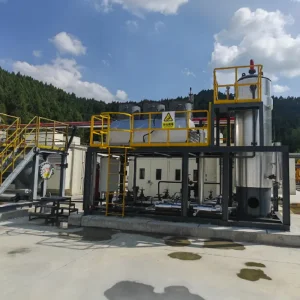
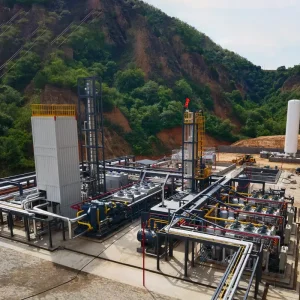
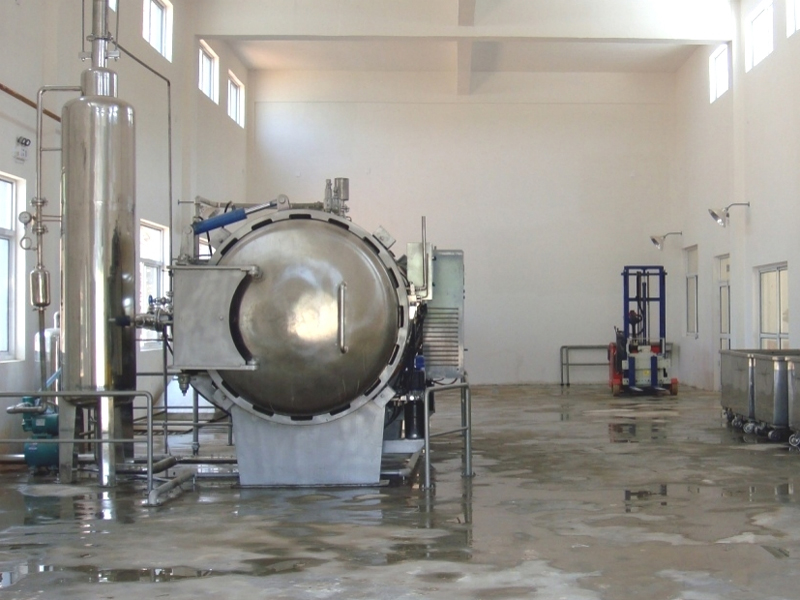
Examine our highly engineered product ranges developed for low-temperature processing, medical sterilization, and VOC recovery systems.
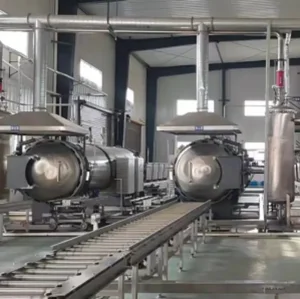
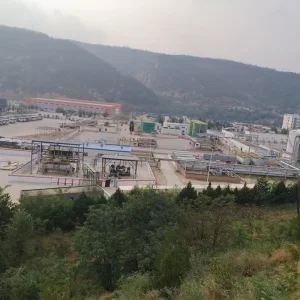
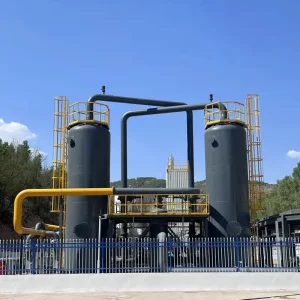
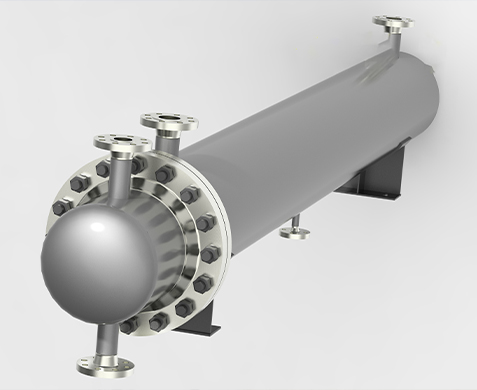
As the global energy transition accelerates, Carbon Capture, Utilization, and Storage (CCUS) and industrial liquid gas storage require unparalleled standards in pressure vessel design. A carbon dioxide (CO2) pressure vessel must operate safely under extreme thermodynamic conditions, typically maintaining liquid carbon dioxide at sub-zero temperatures (ranging from -20°C to -50°C) and elevated operational pressures (typically between 15 to 25 bar or higher depending on the phase requirements). Under these conditions, the selection of materials, welding precision, thermal insulation design, and pressure relief mechanisms are paramount to preventing brittle fracture and rapid phase change disasters.
Did you know? Carbon dioxide undergoes a phase change directly to solid (dry ice) if depressurized below its triple point (5.18 bar, -56.6°C). Modern CO2 pressure vessels must be engineered to prevent localized depressurization that could result in dry ice blockages and structural strain.
The core vulnerability of low-temperature vessels is low-temperature embrittlement. Standard carbon steels undergo a ductile-to-brittle transition when exposed to sub-zero temperatures. Our fabrication process utilizes low-temperature carbon steels like ASME SA-516 Gr. 70 or specialized nickel-alloy steels (such as SA-203) and austenitic stainless steels (304/304L) which maintain exceptional Charpy V-Notch impact toughness down to -196°C. Every plate undergoes rigorous ultrasonic testing (UT) and mechanical validation prior to entering our rolling mills.
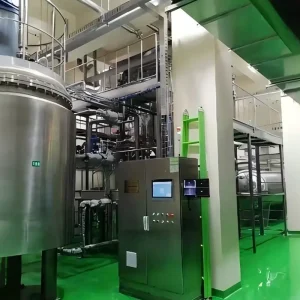
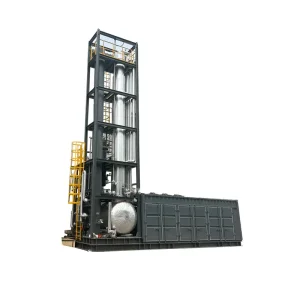
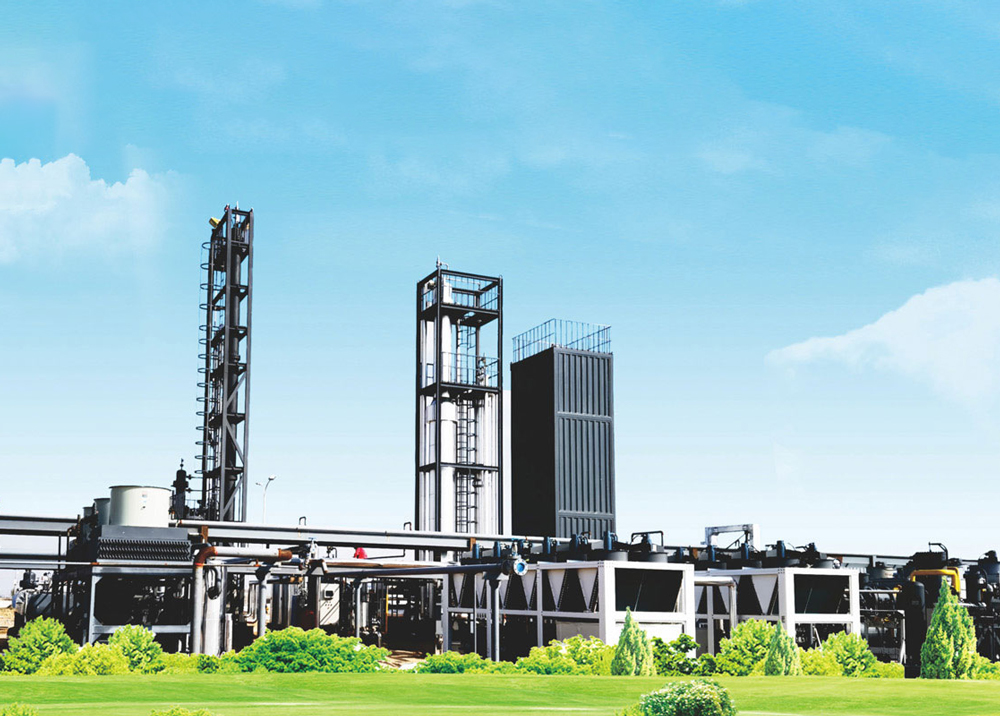
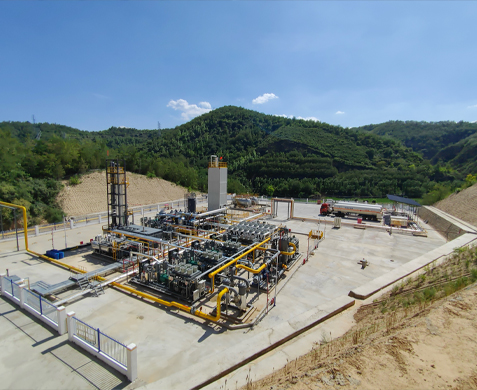
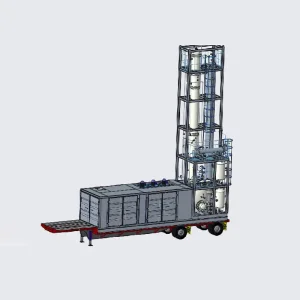
Modern procurement strategies favor skid-mounted assembly systems. Standardizing the mechanical structural skid allows for complete plug-and-play integration on-site. By pre-packaging the purification columns (deacidification, dehydration, and hydrocarbon removal modules), liquefaction equipment, process piping, thermal control loops, and instrumentation onto a unified frame, structural integrity is tested in a controlled factory setting. This drastically minimizes on-site installation timelines, limits hot-work requirements at volatile petrochemical sites, and ensures seamless compliance with local structural codes.
Established in June 2021 with a substantial registered capital of 78 million yuan, our enterprise is a premier R&D-driven manufacturer dedicated to industrial energy conservation, environmental purification, and cryogenics. Strategically located in the Sanhe Economic Development Zone, Langfang City (part of the Beijing-Tianjin-Hebei industrial corridor), we have positioned ourselves at the forefront of the ecological upgrading of global process industries.
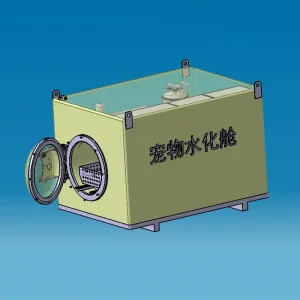
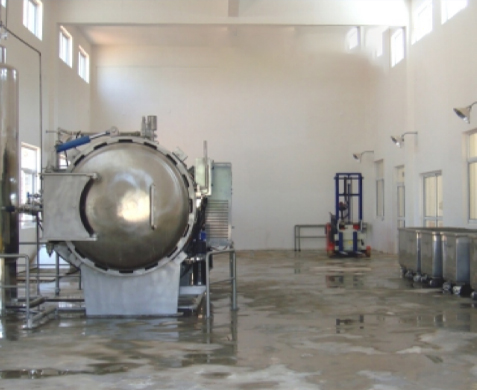
We specialize in standard and custom A2-level pressure vessels, medical waste autoclave solutions, biological live-toxic wastewater treatment skids, and advanced chemical tail gas recovery setups. Our close collaborative ties with elite academic institutions like Tsinghua University and the Chinese Academy of Sciences (CAS) yield advanced technological solutions that meet the most demanding thermal and structural specifications.
Providing verifiable engineering expertise through rigorous certifications and compliance frameworks.
Our facility holds the official Class A2 Pressure Vessel Design & Manufacturing License and Pressure Piping Components Manufacturing Certification in China. Rated as a Langfang Municipal R&D Platform, our systems are built in complete alignment with global criteria for oil & gas, biochemical, and power generation markets.
Why leading global energy and industrial firms partner with Hongke Qingneng.
Our engineering team includes researchers from the Institute of Physics and Chemistry Technology of the Chinese Academy of Sciences (CAS) and Tsinghua University. We translate advanced thermal dynamics, phase change heat transfer, and mixed working medium processes directly into robust industrial machinery.
We supply fully integrated skid-mounted LNG liquefaction, natural gas sweetening, and VOC recovery modules. All process control loops, valve manifolds, and purification units are factory-calibrated to eliminate structural field-welding issues.
We actively contribute to international carbon-neutral initiatives. Our systems are engineered to facilitate industrial gas recovery, lower refinery carbon footprints, eliminate hazardous VOC emissions, and support biological pathogen neutralization.
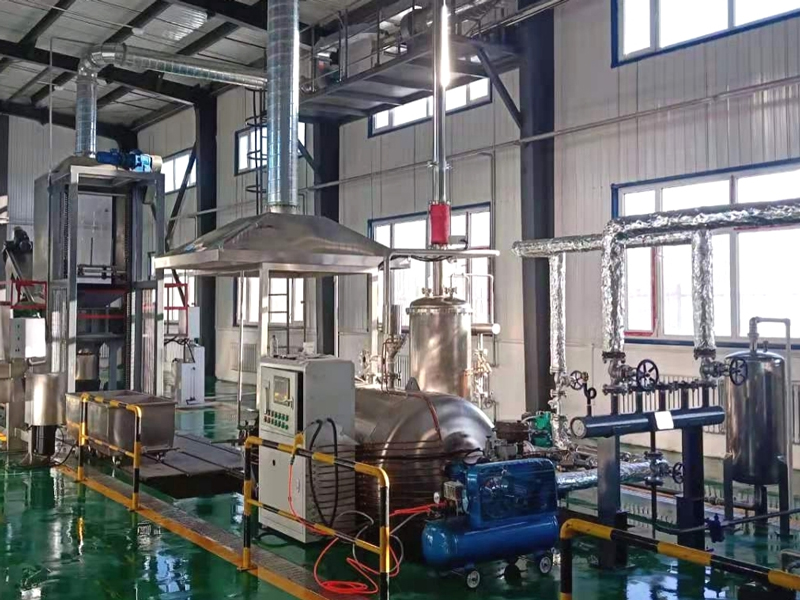
Sourcing pressure vessels from our facility in Langfang, China, offers distinct structural and economic advantages. Positioned in the heart of China’s heavy industry ecosystem, we source premium raw materials—such as low-temperature carbon steel and specialty alloys—directly from state-supported metallurgy hubs at optimized cost structures.
Deep technological expertise led by PhD researchers from the Chinese Academy of Sciences.
Doctorate from the Institute of Physics and Chemistry Technology, Chinese Academy of Sciences. National Senior Engineer who has led projects under the National 863 Program, National Natural Science Foundation, and major aerospace defense programs. Recipient of the Special Prize for Technological Invention from the Chinese Society of Refrigeration.
Senior Engineer at the Institute of Physics and Chemistry Technology, CAS. Specialist in gas liquefaction and process plant management. Principal investigator on major national science and technology special projects. Published 24 academic papers (11 indexed in SCI/EI) and holds multiple national invention patents.
Doctor of Engineering from the Institute of Physics and Chemistry Technology, CAS. Pioneer in skid-mounted natural gas liquefaction systems. Leading expert on the phase change heat transfer characteristics and flow properties of multi-component mixed refrigerants (MRC) for deep cryogenic systems.
Custom adaptations for regulatory environments and localized industrial demands.
Navigating global pressure vessel directives can be challenging. Our engineering team conducts full dual-design validation to ensure compliance with Chinese GB150 codes, European PED (CE marking), and American ASME Section VIII Division 1 and Division 2 standards.
For carbon capture, utilization, and storage projects, our high-volume liquid CO2 vessels serve as the storage backbone. Engineered with structural reinforcement to manage cycling temperatures and high pressures, we help plants capture, purify, and transport CO2 effectively.
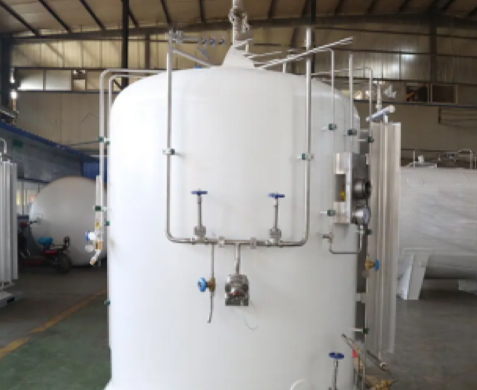
In cryogenics, maintaining temperatures between -40°C and -180°C requires specialized containment. Our double-walled vacuum-insulated vessels and cold traps prevent boil-off gas (BOG) losses, keeping volatile processes safe and energy-efficient.
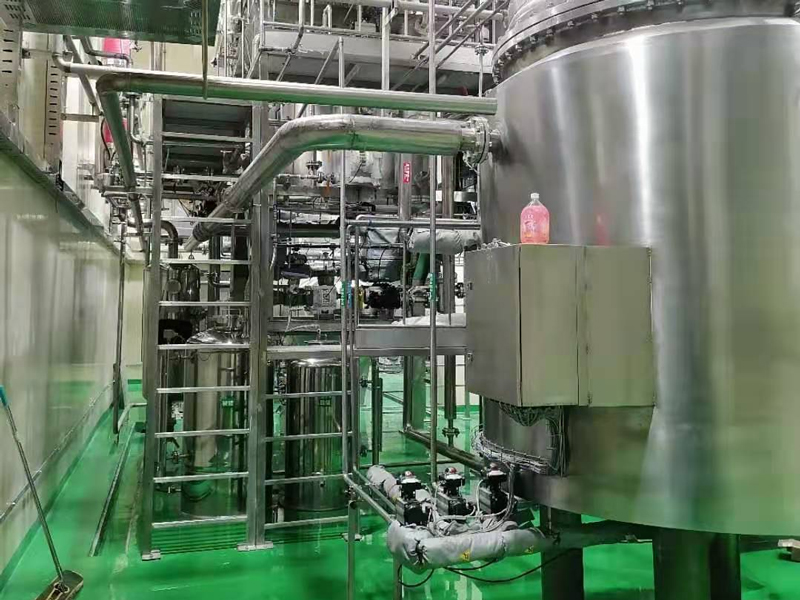
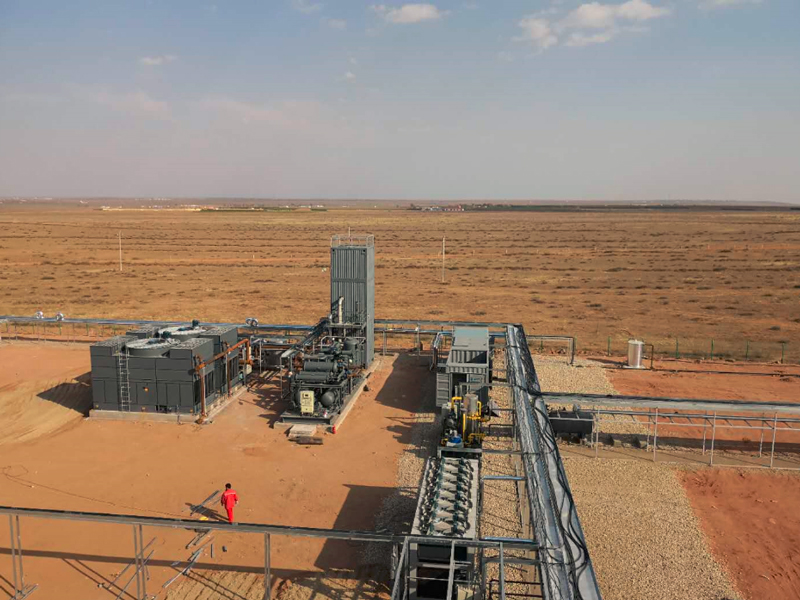
Real-world projects demonstrating our technology in environmental protection and cryogenic gas treatment.
Technical answers regarding CO2 pressure vessel design, material science, and safety standards.
Examine our non-standard pressure vessels, organic waste recovery systems, and biological processing setups.
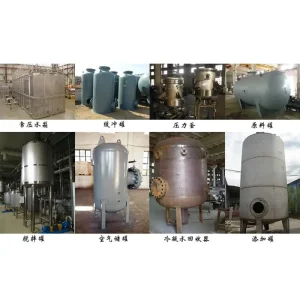
Whether you require standard storage vessels, complex skid assemblies, or specific material grade certifications, our scientific engineering panel is ready to draft your structural blueprints.
Contact Our Technical Experts Hongke Qingneng