Bangladesh's industrial landscape is undergoing a massive transformation. Driven by the Readymade Garments (RMG), textile processing, chemical synthesis, footwear manufacturing, and printing/packaging sectors, the nation's economic output has reached unprecedented levels. However, this rapid urbanization and industrial expansion in hubs like Dhaka, Gazipur, Narayanganj, and Chittagong bring critical environmental responsibilities. Volatile Organic Compounds (VOCs) and hazardous air pollutants (HAPs) generated during fabric coating, printing, solvent usage, and chemical processing present severe risks to public health and ecological balance.
The Bangladesh Department of Environment (DoE) is actively updating and enforcing the Environmental Conservation Rules (ECR), mandating manufacturing units to control emissions and treat industrial gases. Global retail brands outsourcing production to Bangladesh now require local factories to demonstrate compliance with international standards, such as the Zero Discharge of Hazardous Chemicals (ZDHC) and ISO 14001 guidelines. Implementing advanced VOC exhaust treatment systems is no longer optional—it is a critical requirement for maintaining global supply chain access.
• Emissions Targets: Total VOC concentration must remain below standard local limit guidelines (typically < 50 mg/m³ for major industrial areas).
• Worker Safety: Indoor air quality levels must conform to international occupational health benchmarks.
• Zero Disruption Strategy: Turnkey VOC treatment equipment must integrate seamlessly with existing printing, drying, or processing lines without causing system pressure drops.
High-efficiency, custom-configured thermal and catalytic oxidation systems engineered to eliminate volatile organics in textile dyeing and printing plants.
Request Quote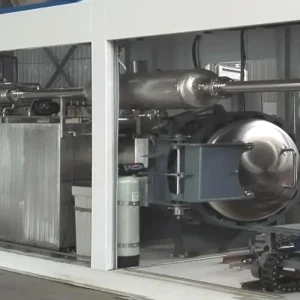
Advanced containerized, mobile high-temperature steam sterilization systems designed for decentralized hazardous clinical waste management.
Request Quote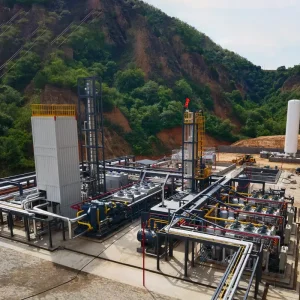
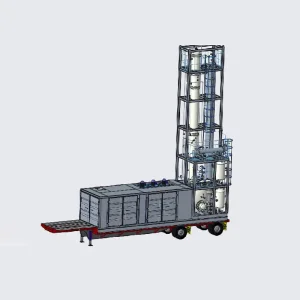
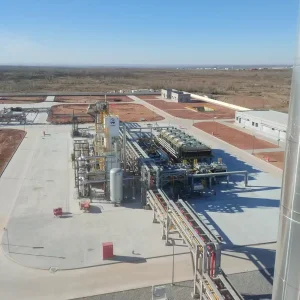
Modular, factory-tested liquefaction skids facilitating energy capture and methane emission control at distributed natural gas wells.
Request Quote
Fully integrated mobile vehicle platform featuring automated shredding and steam sterilizing systems for biosecure waste handling.
Request QuoteEstablished in June 2021 with a registered capital of 78 million yuan, Hebei Hongke Qingneng Environmental Protection Equipment Co., Ltd. is a leading developer in the environmental and energy conservation sectors. Operating from our advanced manufacturing base in Sanhe Economic Development Zone, Langfang City, we design, engineer, and manufacture high-integrity pressure vessels, VOC abatement reactors, medical waste treatment machinery, and petrochemical purification systems.
Our core competitive advantage is our direct technical partnership with top academic research institutions, including Tsinghua University and the Institute of Physics and Chemistry Technology of the Chinese Academy of Sciences (CAS). By translating fundamental thermodynamic research and gas purification physics into industrial-scale equipment, we deliver high performance, energy efficiency, and operational safety for challenging chemical plant emissions.
Registered Capital (CNY)
Independent R&D Patents
Skid-Mounted Systems Built
Pressure Vessel License
Ph.D. from the Institute of Physics and Chemistry Technology, Chinese Academy of Sciences (CAS), and Senior National Engineer. Dr. Sun has led several national military, aerospace, and "863 Program" initiatives. Recipient of the Beijing Science and Technology Award First Prize and the Technological Invention Award of the Chinese Society of Refrigeration.
Ph.D. candidate and senior researcher at CAS. Author of 24 international and domestic academic papers (11 SCI/EI indexed) and holder of 5 national invention patents. He leads Hongke Qingneng's business operations, technology commercialization, and international project execution.
Ph.D. in Engineering from CAS. Dr. Cheng is a specialist in multiphase heat transfer and mixed working refrigerants. Over the past decade, he has designed complex hydrocarbon processes and large-scale gas purification systems, bridging academic theory and field applications.
Industrial VOC mitigation requires matching the system's thermodynamics to the specific characteristics of the exhaust gas stream. Factors such as VOC chemical compound types, volumetric flow rate (measured in Nm³/h), inlet concentration (measured in mg/m³), dust load, and temperature determine the appropriate treatment technology. Below is a comparative overview of our industrial systems:
| Technology Route | Suitable VOC Concentration Range | Typical Efficiency | Common Applications in Bangladesh | Key Performance Advantages |
|---|---|---|---|---|
| Regenerative Thermal Oxidizer (RTO) | Medium to High (1,000 - 10,000 mg/m³) | > 99.2% destruction | Chemical manufacturing, printing, solvent coating | High thermal efficiency (>95%), low fuel consumption, handles diverse solvents |
| Zeolite Concentrator + RTO / CO | Low Concentration (50 - 500 mg/m³, high airflow) | > 98.5% destruction | Textile finishing, RMG drying lines, electronics manufacturing | Concentrates gas volume to reduce energy costs by up to 70% |
| Condensation + Carbon Adsorption Recovery | High Concentration & Valuable Solvents | > 95% recovery rate | Pharmaceutical processing, chemical storage terminals | Allows on-site solvent recovery and reuse, helping lower raw material costs |
| Catalytic Oxidizer (CO) | Medium Concentration (500 - 3,000 mg/m³) | > 99% destruction | Packaging printing, metal coating, wire insulation | Operates at lower temperatures (300°C - 400°C), reducing NOx emissions |
Our engineering team designs custom process solutions for various industrial sites. The following section displays key projects from our reference database, featuring applications in hazardous clinical waste sterilization, natural gas processing, and environmental containment:
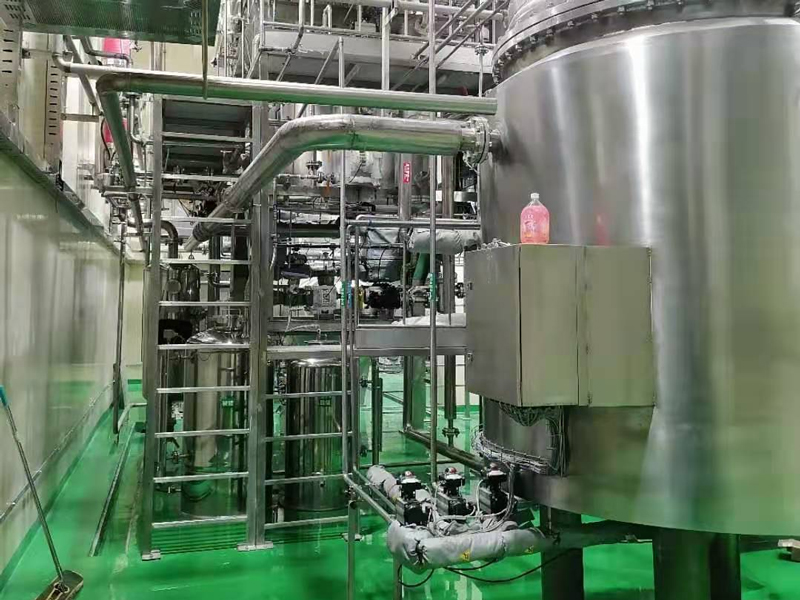
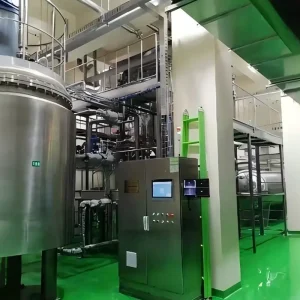
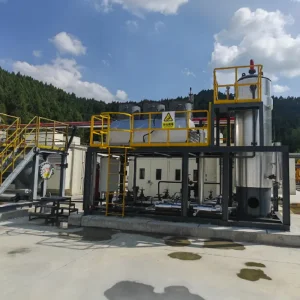
High-integrity, bio-secure chemical containment vessel installed in university research facilities to safely neutralize biological hazardous wastes.
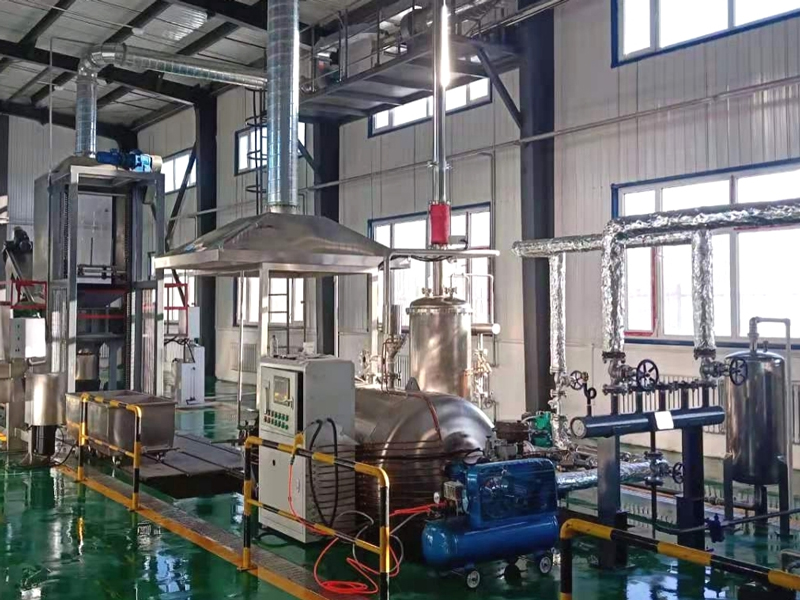
A self-contained mobile system providing on-site sterilization of medical waste to reduce transit hazards in municipal areas.
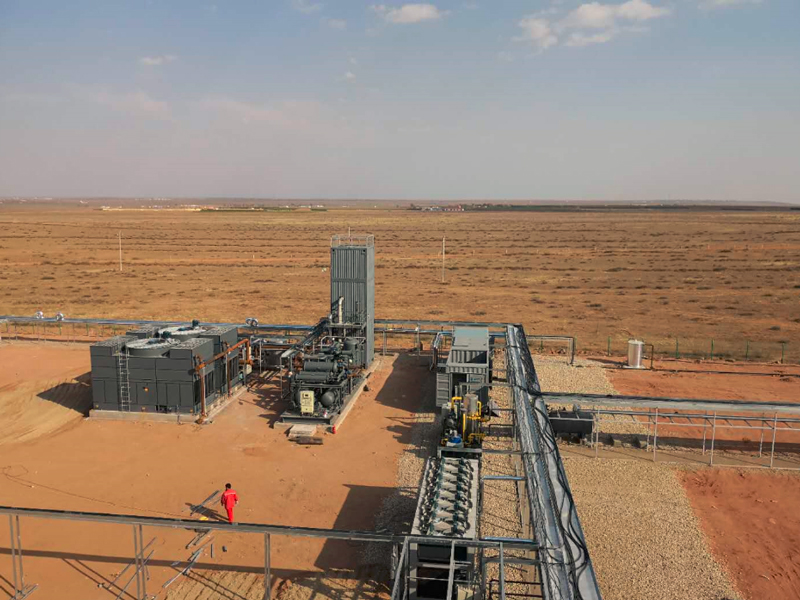
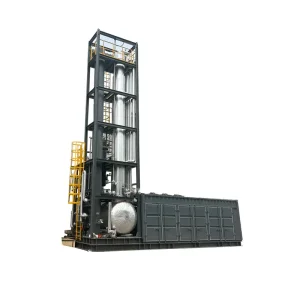
A modular purification and liquefaction system designed to recover remote flare gas and reduce carbon emissions.
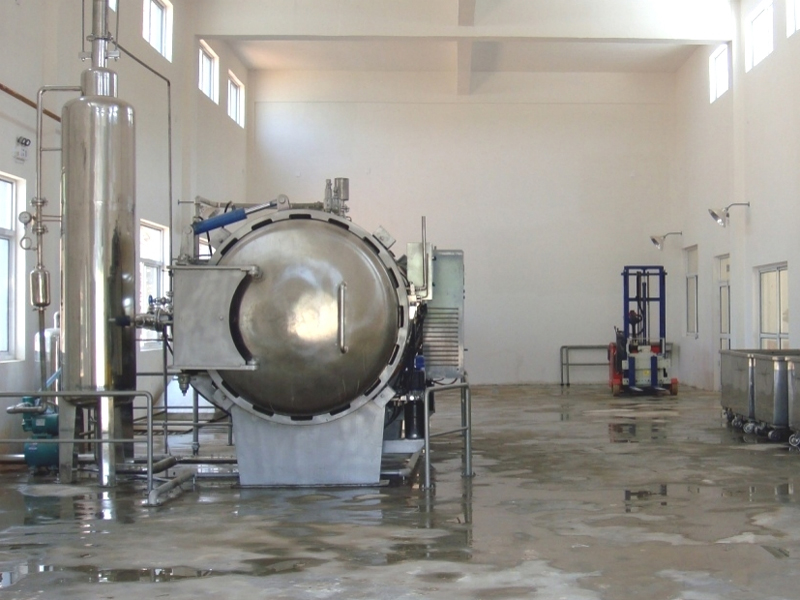
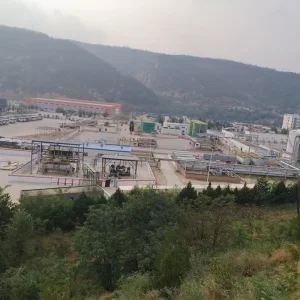
A high-capacity centralized steam facility engineered to disinfect bio-hazardous wastes for large municipal areas.
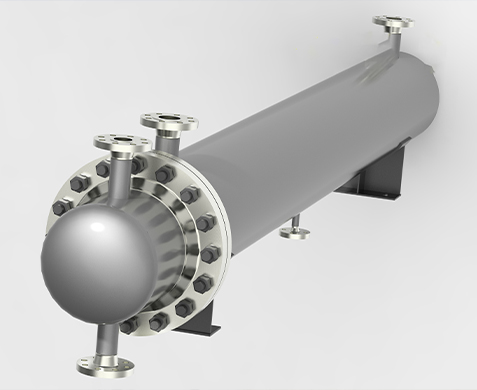
In-house welding and assembly of stainless steel reaction chambers.
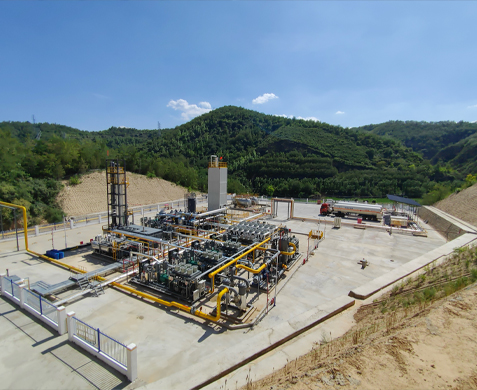
Assembly of structural components for chemical scrubbing and purification systems.
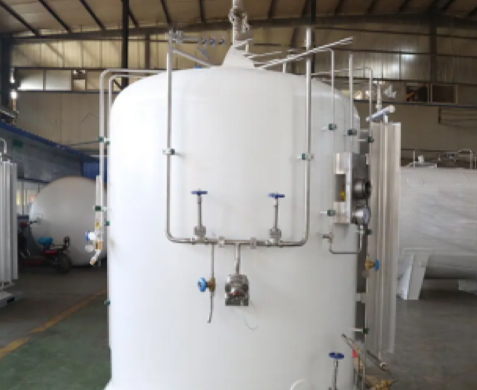
Precision thermal insulation installation for cryogenic separation units.
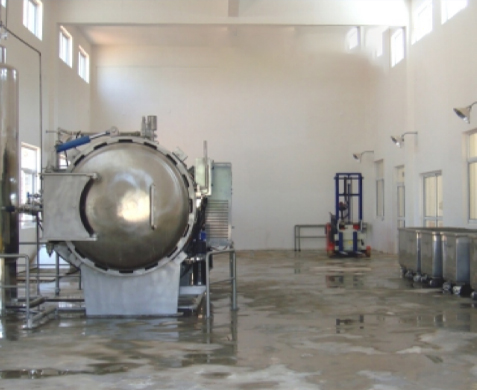
Pre-delivery pressure, pneumatic, and control system integration tests.
Below is our complete equipment catalog, featuring VOC treatment systems, chemical separation skids, medical waste systems, and pressure vessels. All systems are engineered to meet global quality standards.
Hebei Hongke Qingneng's design, manufacturing, and support operations are divided into four specialized business units, ensuring high engineering and quality standards across all projects:

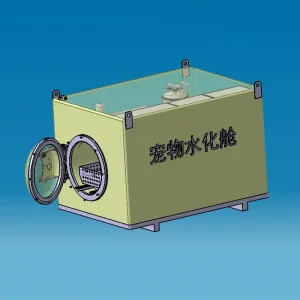
Centralized and mobile medical waste steam disinfection installations, animal carcass hydrolysis systems, and high-pathogen bio-wastewater treatment plants.

Skid-mounted gas desulfurization, amine sweetening, molecular sieve dehydration, heavy hydrocarbon separation, and mobile LNG liquefaction plants.

A2-level non-standard pressure vessels, heavy shell-and-tube heat exchangers, high-pressure separation columns, and customized laboratory reactor test benches.

Cryogenic recovery systems (-40℃ to -180℃), condensation traps (-135℃) for solvent capture, gas sweetening systems, and chemical tail gas scrubbing reactors.
Hebei Hongke Qingneng supports international procurement teams sourcing equipment for operations in Bangladesh. We manage the entire project lifecycle—from design and manufacturing to logistics and site integration—ensuring compliance with international standards and local requirements:
Our equipment is designed and manufactured to international industrial standards. We hold the GB/T19001-2016 Quality Management System certification and the Sinopec HSSE / China Petroleum Health, Safety and Environment Management System certifications, ensuring reliable operation under high-temperature and high-humidity conditions.
Systems are pre-assembled and tested as modular skids at our factory before shipping. This approach simplifies logistics to ports like Chittagong, minimizes on-site assembly work, and reduces commissioning times in industrial zones such as Gazipur and Narayanganj.
We provide comprehensive technical support, including detailed installation drawings, piping schematics, electrical layouts, and operating manuals. Our field service team assists with installation supervision, system balancing, operator training, and annual maintenance audits.
Review our detailed answers to common technical and operational questions regarding Volatile Organic Compound abatement and industrial gas processing:
The decision is primarily driven by VOC concentration and air volume. Textile printing lines often generate high-volume air streams with low concentrations of solvent vapors. In these scenarios, a Zeolite Concentrator combined with an RTO is highly effective. The concentrator adsorbs VOCs from the high-volume stream and desorbs them into a smaller, concentrated stream, which is then destroyed in the RTO. This setup reduces fuel consumption. For processes where solvents are valuable and can be reused, carbon adsorption with solvent recovery is often the preferred choice.
High ambient humidity (often exceeding 85% RH in regions like Chittagong and Dhaka) can impact system efficiency, particularly for carbon adsorption beds. To address this, we integrate moisture separation systems, including pre-heating coils and mechanical demisters, before the adsorption stage. For RTO systems, we adjust the combustion controls and burner outputs to manage the water vapor load in the exhaust stream, maintaining high destruction temperatures (around 800°C) without excessive fuel usage.
To design and size the system, our engineering team requires several key process inputs: 1) Total exhaust flow rate (m³/h or Nm³/h); 2) Exhaust gas temperature at the outlet of the process line; 3) Detailed chemical composition of the VOCs (e.g., toluene, ethyl acetate, MEK, DMF); 4) Average and peak VOC concentration levels (mg/m³); and 5) Presence of particulates, dust, silicones, or corrosive elements (such as sulfur or chlorine compounds) that could affect catalysts or heat-exchange media.
Yes. Hebei Hongke Qingneng holds an A2-level Pressure Vessel Manufacturing License, authorizing us to design and manufacture medium-to-high pressure vessels, shell-and-tube heat exchangers, and separator columns. We manufacture under GB standards and can align designs with ASME or CE specifications as required by the project. Our welding, non-destructive testing (NDT), and hydrostatic pressure tests are fully documented for project quality control.
Our skid-mounted purification systems remove acid gases (CO2, H2S) and moisture from associated gas or shale gas streams. Clean methane is then liquefied using a mixed refrigerant cycle. By capturing gas that would otherwise be flared or vented, the system reduces greenhouse gas emissions (carbon dioxide and methane) and VOC releases, converting gas into usable energy.
The standard lead time for engineering design, component sourcing, fabrication, assembly, and testing is 12 to 16 weeks, depending on the scale and complexity of the RTO or recovery system. Ocean transit from major Chinese ports to Chittagong Port typically takes an additional 2 to 3 weeks. We coordinate all logistics, documentation, and customs preparation to support on-time delivery.
Get in touch with our team of CAS thermodynamicists and senior engineers to discuss your facility's VOC treatment, gas purification, or clinical waste management requirements in Bangladesh.
Send Inquiry Now Hongke Qingneng