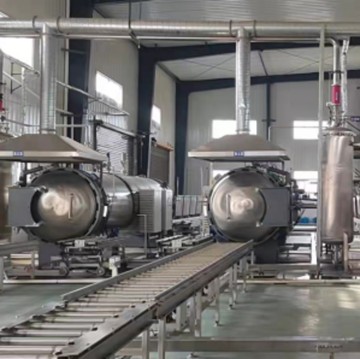
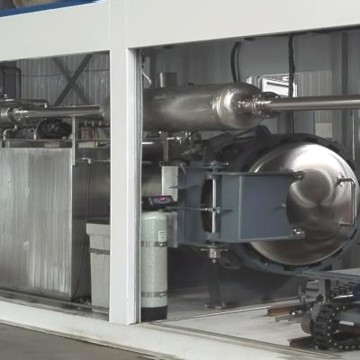
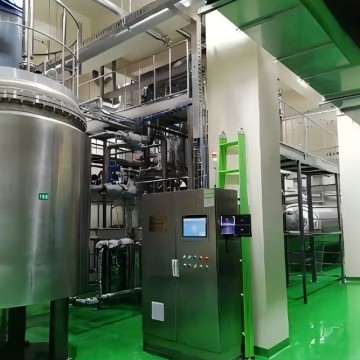
Explore our engineering excellence, showcasing advanced thermo-mechanical systems designed for extreme industrial operations.
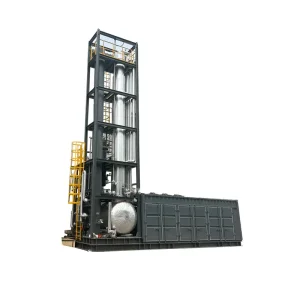
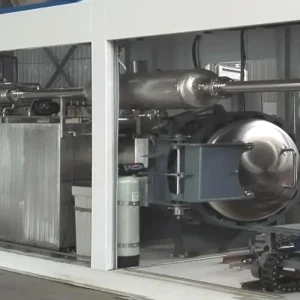
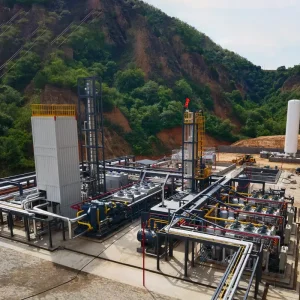
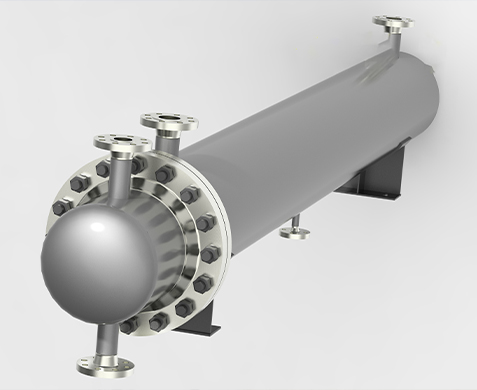
Compression vessels and containment reactors form the critical backbone of today's process engineering ecosystems. From heavy chemical processing, cryogenic gas separations, and natural gas upgrading to high-temperature biological decontamination, the reliability of a pressure vessel directly dictates operational safety, systemic yield, and environmental compliance.
In the wake of rapid global decarbonization and transitioning energy sectors, the demand for sophisticated, gas-tight, and corrosive-resistant vessels is higher than ever. Developing and developed markets alike require robust infrastructure capable of sustaining cryogenic temperatures, high-pressure cycles, and aggressive gas mixtures, while minimizing emissions (such as fugitive methane slips or toxic VOC leakages).
This evolving industrial paradigm highlights the critical need for top-tier manufacturing partners who combine advanced mechanical design with strict quality control. Compliance with certifications such as the ASME Section VIII, European Union PED, and Chinese GB150 standards has become standard for heavy industrial projects.
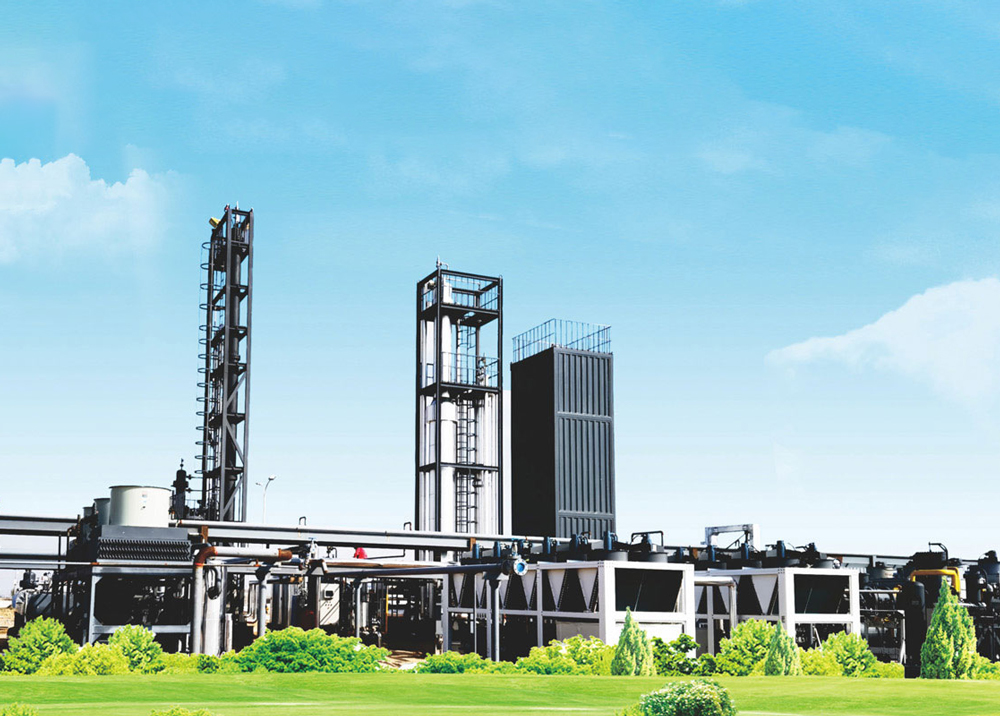
As a global hub for advanced metal fabrication, China has developed an unmatched supply-chain ecosystem for the design and manufacture of high-specification pressure equipment. This consolidation enables Chinese suppliers to significantly lower lead times while maintaining strict geometric and metallurgical tolerances.
By using locally sourced, high-grade alloys (such as SA516 Gr. 70, duplex steels, and custom-stabilized austenitic stainless steels), Chinese manufacturers offer highly competitive pricing structures without compromising on raw material traceability. Modern assembly processes are further optimized through advanced semi-automatic welding, automated non-destructive testing (NDT), and computerized hydrostatic testing systems.
At Hebei Hongke Qingneng Environmental Protection Equipment Co., Ltd., we combine this manufacturing efficiency with advanced academic engineering. Our strategic location within the Sanhe Economic Development Zone, Langfang City, positions us in close proximity to major industrial hubs, streamlining logistics, technical validation, and international shipping.
Hebei Hongke Qingneng Environmental Protection Equipment Co., Ltd. represents the intersection of scientific research and industrial manufacturing.
Established in June 2021 with a registered capital of 78 million yuan, we focus on the R&D and manufacturing of energy conservation and environmental protection systems. Operating from our industrial base in Langfang City, we design, manufacture, and assemble various pressure vessels, medical waste treatment units, chemical tail gas recovery units, and custom skid-mounted liquefaction systems.
Our competitive advantage lies in our strong scientific foundation. Our engineering solutions are developed in collaboration with top minds from Tsinghua University and the Institute of Physics and Chemistry Technology, Chinese Academy of Sciences (CAS). This ensures that every skid-mounted unit, cryogenic cooling system, or autoclave vessel we deliver is optimized for efficient phase-change heat transfer and structural integrity.
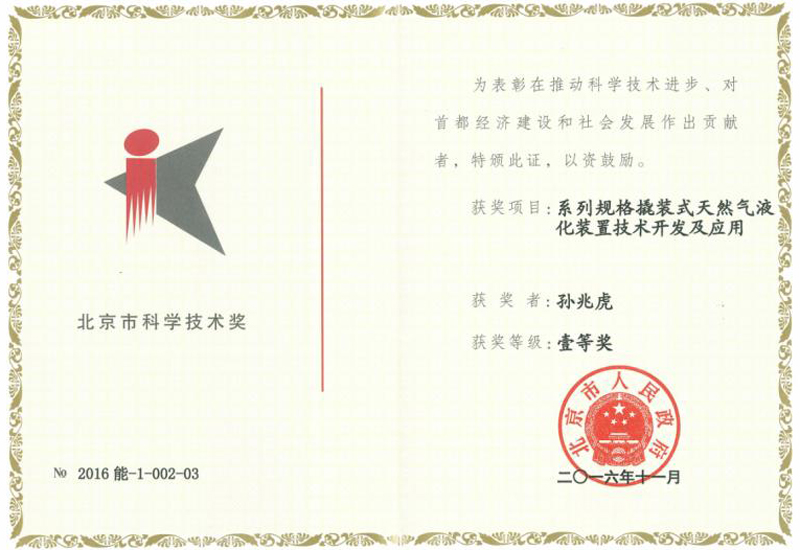
Holds a doctoral degree from the Institute of Physics and Chemistry Technology, CAS, and a national senior engineer title. Dr. Sun has led key national projects including the National 863 Program. Recipient of the Special Prize of Technological Invention from the Chinese Society of Refrigeration and the First Prize of the Beijing Science and Technology Award.
Ph.D. candidate and senior engineer at CAS. He has managed several major science and technology initiatives and aerospace-military projects. Author of 24 academic papers (11 SCI/EI indexed) and holder of 5 national invention patents. Awarded the Special Award of the 7th China Refrigeration Society Technological Invention.
Doctor of Engineering from the Institute of Physics and Chemistry Technology, CAS. He has focused on phase-change heat transfer and complex flow characteristics of mixed working mediums, designing multiple small-to-large-scale skid-mounted natural gas liquefaction systems.
Our engineered systems are designed for reliable performance in demanding, high-stakes environments.
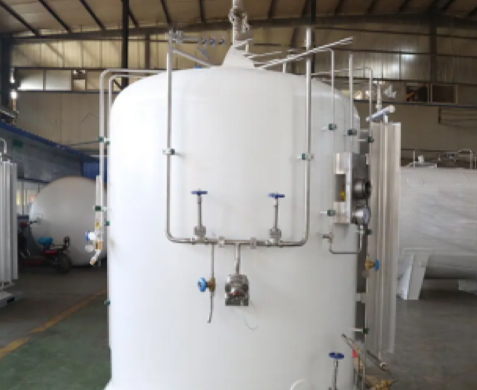
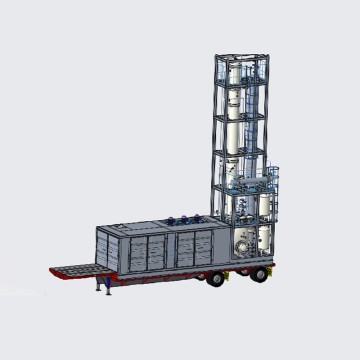
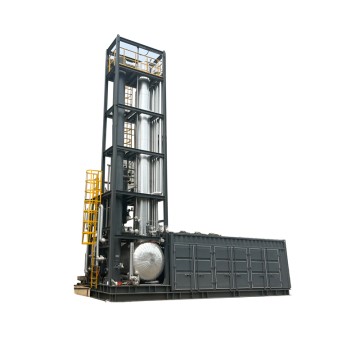
Our modular, skid-mounted LNG and BOG recovery systems process natural gas, coalbed methane, and shale gas under high-pressure parameters. We optimize mixed refrigerant (MR) refrigeration processes to ensure high liquefaction yields at lower energy consumption levels.
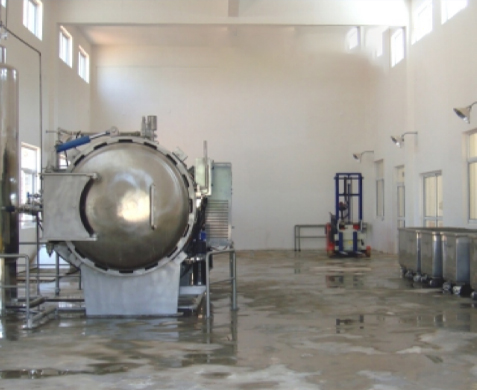
We manufacture advanced medical waste autoclaves and high-temperature hydrolysis containment vessels for laboratory animal carcasses. These systems utilize continuous, monitored high-temperature steam injection to guarantee biological sterilization, ensuring compliance with strict public health codes.
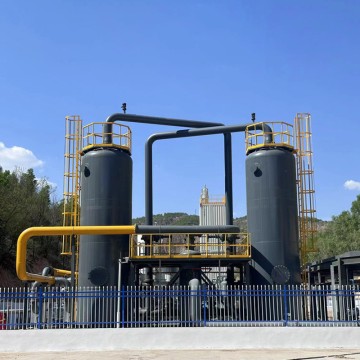
Our desulfurization towers and tail gas treatment units recover volatile organic compounds (VOCs) and selectively remove acid gases (H2S, CO2). These systems help chemical, petroleum, and municipal plants meet strict air quality standards.
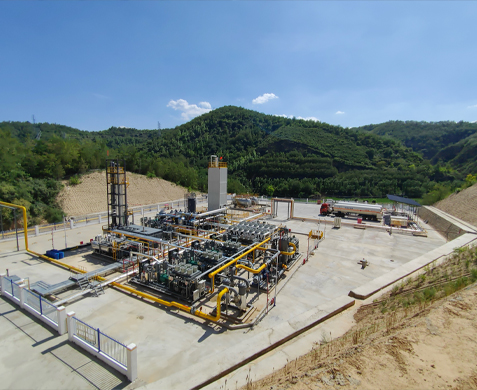
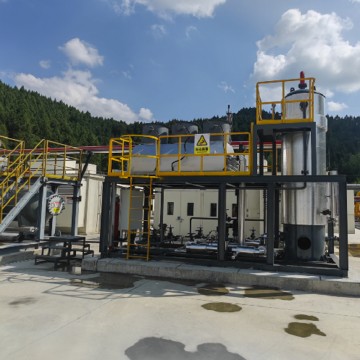
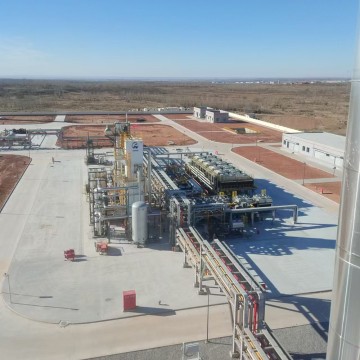
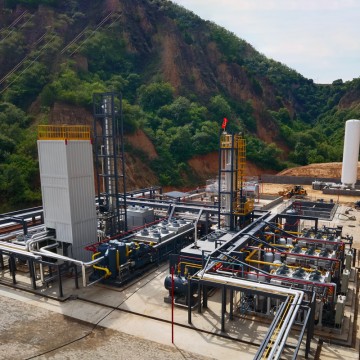
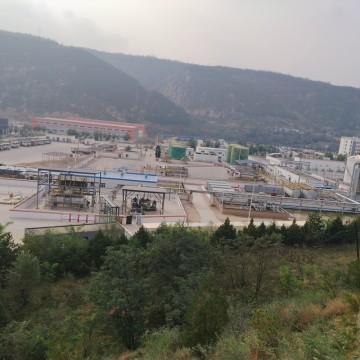
A showcase of our advanced environmental protection and gas treatment equipment deployed on-site.
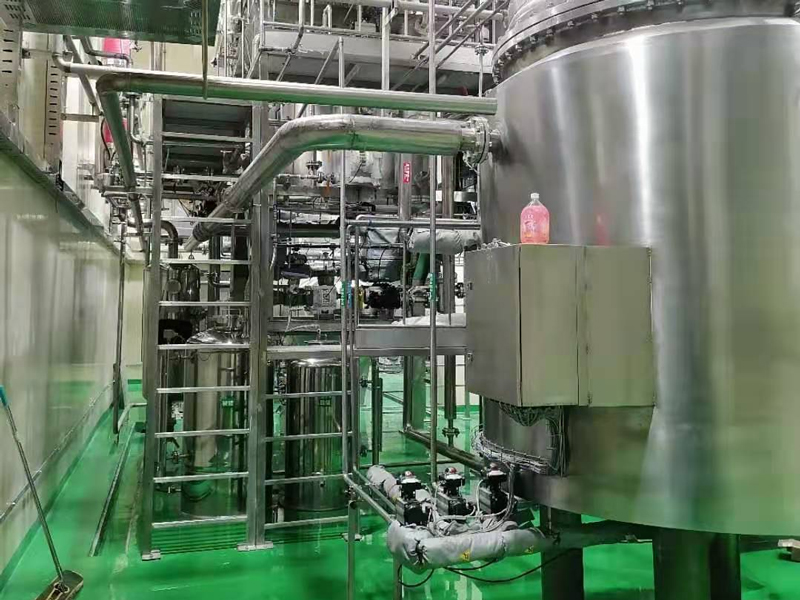
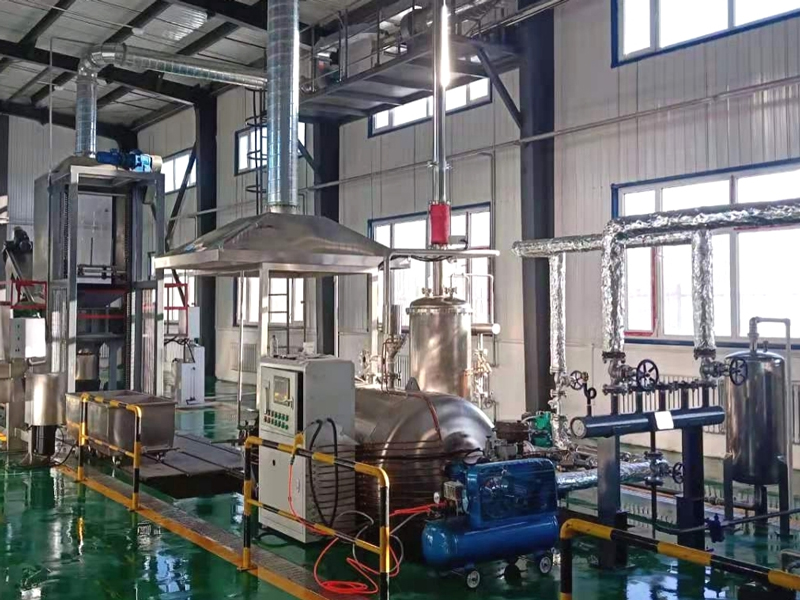
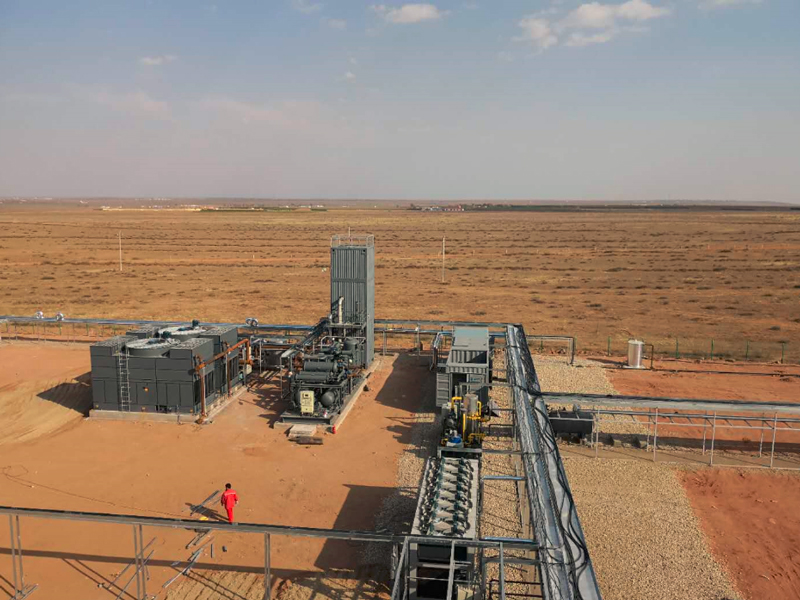
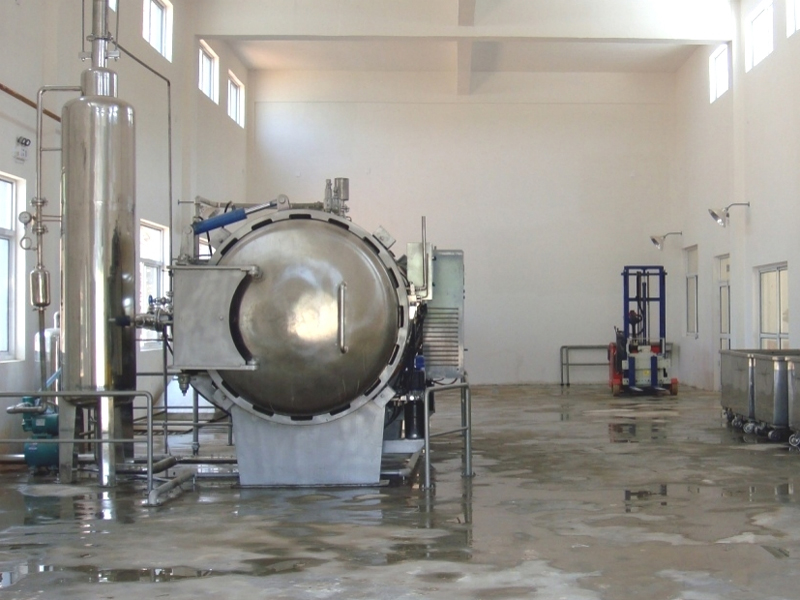
The manufacturing landscape for compression systems is shifting towards automated, eco-efficient, and modular technologies.
International environmental regulations mandate the capturing of volatile tail-gases. Compression vessels must now operate within zero-leakage, closed-loop process paths to restrict hydrocarbons and volatile compounds from venting into the atmosphere.
Industrial operators are moving away from traditional, resource-heavy on-site construction. Factory-integrated, skid-mounted systems are pre-piped, pre-wired, and hot-tested before delivery, minimizing installation times and start-up risks.
The rising demand for high-purity gases (like liquid hydrogen and recovered helium) requires pressure vessels designed for extreme cryogenic conditions, maintaining structural reliability down to temperatures as low as -196°C.
Every vessel we produce goes through a strict quality control process. We maintain an A2 Level Pressure Vessel Manufacturing License alongside a dedicated Pressure Pipeline Component Manufacturing License. This enables us to design and build class-I, II, and III pressure vessels.
Our quality management systems are certified under GB/T19001-2016. Additionally, our safety protocols are validated by Sinopec HSSE and China Petroleum Health, Safety and Environment Management System certifications. This level of quality control is essential for deploying systems in high-risk zones like offshore gas platforms and hazardous bio-containment laboratories.
Our validation process includes radiography (RT), ultrasonic testing (UT), magnetic particle inspection (MT), and liquid penetrant testing (PT). This thorough testing verifies weld integrity and material stability under extreme operating pressures.
Our design capabilities are split across four core engineering divisions.




A reference checklist for sourcing high-spec compression vessels from China.
For international procurement managers, purchasing industrial-grade pressure equipment from China requires verifying key manufacturing and compliance standards. We recommend focusing on the following areas to ensure performance and quality:
Confirm the manufacturer's ability to align with local requirements. While domestic Chinese projects run on GB150 guidelines, export systems must be constructed using ASME Section VIII (US), PED 2014/68/EU (Europe), or local equivalents like AS1210 or CSA B51. The design team should have verified experience using calculations from PV Elite or similar analytical tools.
Ask for Mill Test Certificates (MTCs) for all key pressure-retaining components (shells, heads, nozzles, and flanges). For corrosive gas treatments (such as desulfurization or tail gas recovery), verify that the alloy composition (e.g., Duplex SS 2205 or Grade 316L) meets specifications to prevent stress corrosion cracking (SCC) and hydrogen embrittlement.
Verify that all welding procedures (WPS) and welder qualifications (WPQ) are certified by authorized third parties (like Lloyd's Register, TÜV, or SGS). This is essential for low-temperature or high-pressure applications where micro-fissures in weld lines can cause structural failures.
For projects with tight timelines, consider purchasing skid-mounted systems. These modules are pre-assembled on structural steel frames, including piping, valves, instrumentation, and control panels. This configuration allows for quick plug-and-play installation on-site, significantly reducing construction costs and setup times.
Answers to technical, regulatory, and logistics questions about our pressure vessels and system integration solutions.
A comprehensive overview of our process equipment, designed for gas, petrochemical, and biological waste applications.
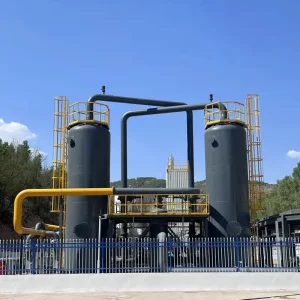
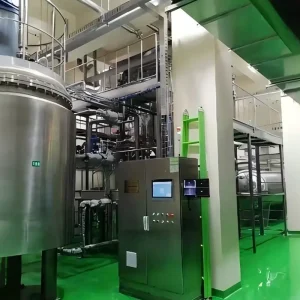
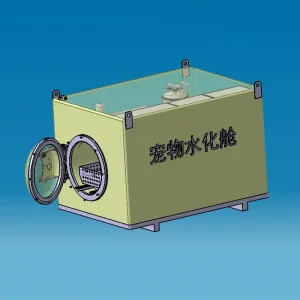
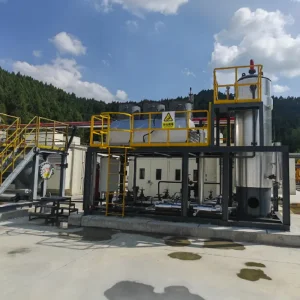
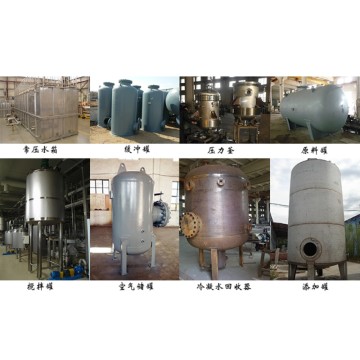
Below is our full line of specialized environmental, pressure, and gas purification machinery.
Our CAS-led technical team can develop custom systems tailored to your project requirements.
Connect with our technical team to discuss design requirements, material options, and pricing structures.
If you have any questions regarding design guidelines, shipping schedules, or material parameters, please reach out. Our technical support team is ready to assist you.
Sanhe Economic Development Zone, Langfang City, Hebei Province, China
Collaboration with Tsinghua University & CAS Research Institutes
 Hongke Qingneng