Engineered to exact specifications using superior alloys. Designed for industrial purification, liquefaction, and sterilization systems.
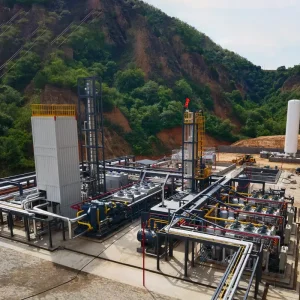
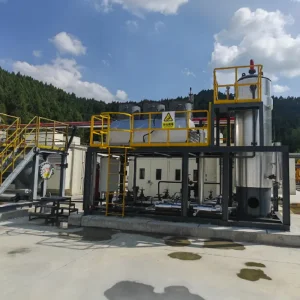
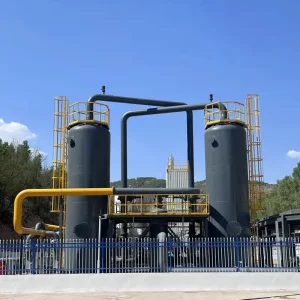
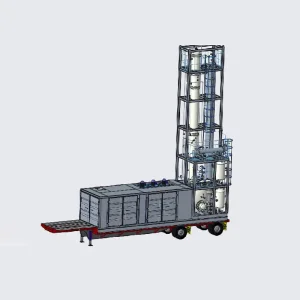
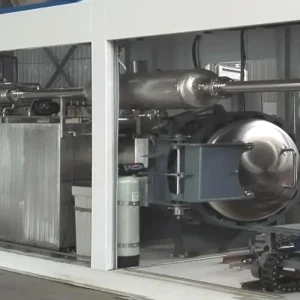
In high-purity processing sectors such as biotechnology, pharmaceuticals, clinical research, and food engineering, the design integrity of process vessels is critical. A true Sanitary Vessel must minimize bio-burden risks while preserving containment security. Unlike generic non-standard pressure vessels, sanitary vessel design demands strict adherence to surface finish specifications, clean-in-place (CIP) and steam-in-place (SIP) dynamics, and zero-hold-up geometries to prevent contamination and biofilm growth.
Under the leadership of Hebei Hongke Qingneng Environmental Protection Equipment Co., Ltd., based in the Sanhe Economic Development Zone, Langfang, China, engineering teams combine cryogenics, high-pressure metallurgy, and fluid dynamics. Utilizing advanced computational mechanics (Finite Element Analysis - FEA) and fluid thermal modeling, the company designs pressure equipment that satisfies stringent global safety regulations.
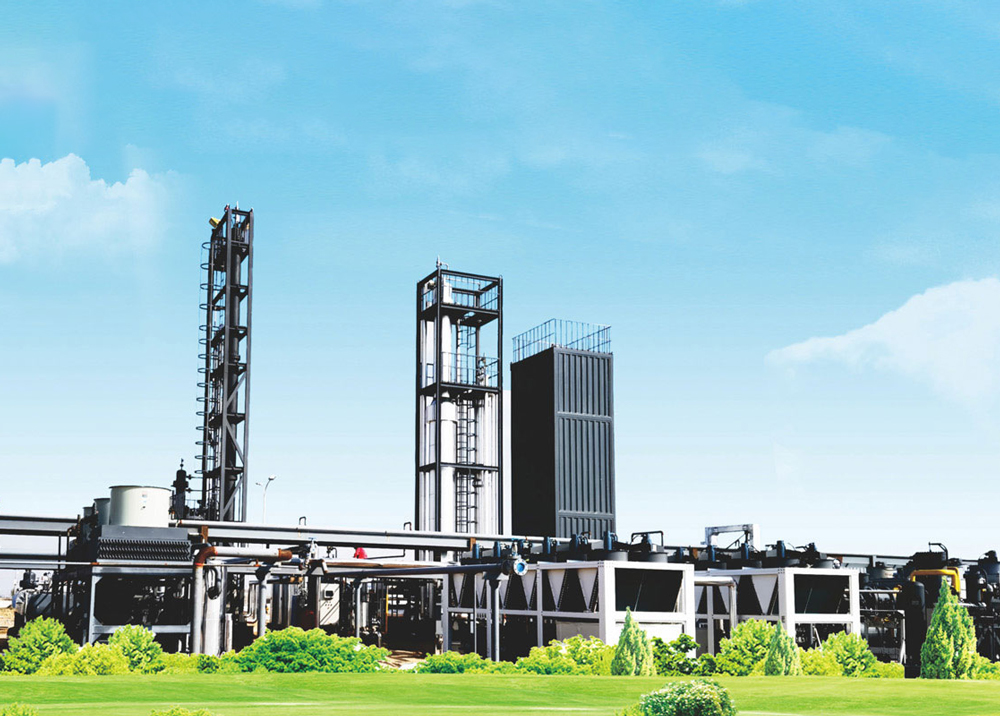
High-integrity sanitary vessels must prevent micro-leakage and maintain internal environmental sterility. Design focus centers on several key elements:
Our sanitary and heavy-duty pressure vessel architectures are implemented globally across several demanding settings:
Hebei Hongke Qingneng is guided by a scientific team with research roots at Tsinghua University and the Institute of Physics and Chemistry Technology, Chinese Academy of Sciences (CAS). The engineering leadership holds multiple patents in thermodynamics, heat transfer, and cryogenic engineering:
Every process vessel, storage unit, and skid system undergoes a multi-phase quality control and validation process.
Authorized to manufacture high-pressure process equipment, columns, shell-and-tube heat exchangers, and reactors operating under demanding industrial conditions.
Engineered using thermodynamic models validated by Chinese Academy of Sciences labs, ensuring thermal transfer and mechanical safety.
Includes radiographic testing (RT) for welds, liquid penetrant testing (PT), ultrasonic thickness checks, helium leak detection, and hydrostatic pressure testing.
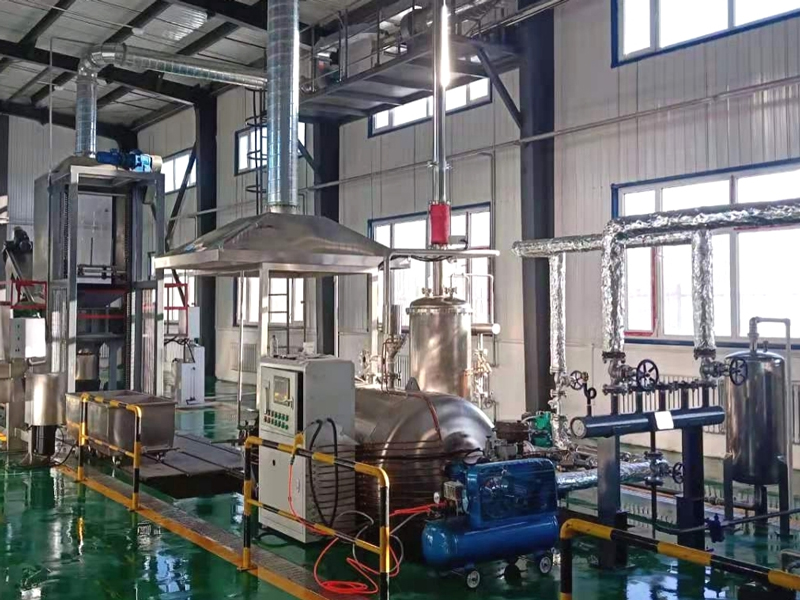
Sourcing large-scale, high-integrity pressure vessels and skid-mounted environmental equipment internationally involves logistical and engineering complexities. Hebei Hongke Qingneng operates within the Sanhe Economic Development Zone, adjacent to Beijing, providing access to a robust industrial supply chain. This location facilitates efficient material sourcing, machining, and logistics through nearby ports like Tianjin and Dalian.
Our manufacturing facility leverages local raw material suppliers, automated fabrication infrastructure, and skilled assembly teams to reduce project lead times. This allows us to deliver customized configurations that meet international standard design codes (ASME, GB) at competitive production timelines.
A professional design, manufacturing, and process optimization team combining academic research and field execution.
Doctor of Engineering, Chinese Academy of Sciences (CAS). Lead investigator on key state energy conservation programs. Experienced in thermal fluid dynamics, cryogenic phase changes, and structural steel pressure design.
PhD candidate, CAS. Author of 11 SCI/EI indexed papers on thermodynamics. Manages industrial engineering operations, process compliance, and international client relations.
Doctor of Engineering, CAS. Leading engineer for mixed working medium flow characteristics. Designs process instrumentation and skid-mounted control configurations.
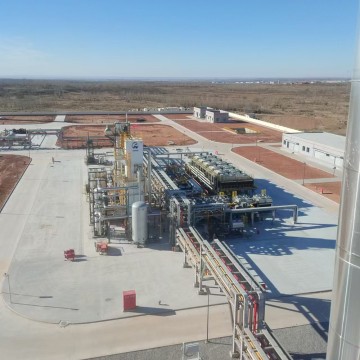
Real-world applications of our technology in industrial gas liquefaction and bio-hazardous waste processing.
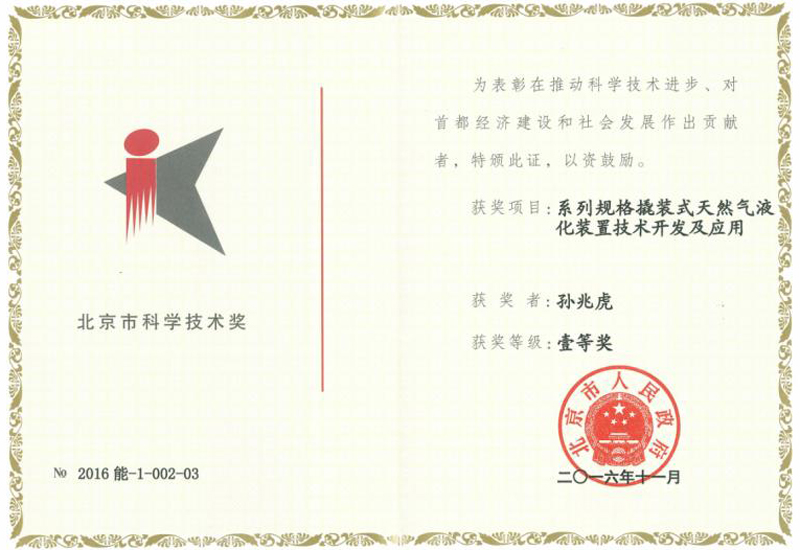
Thermal system integration for liquid purification.
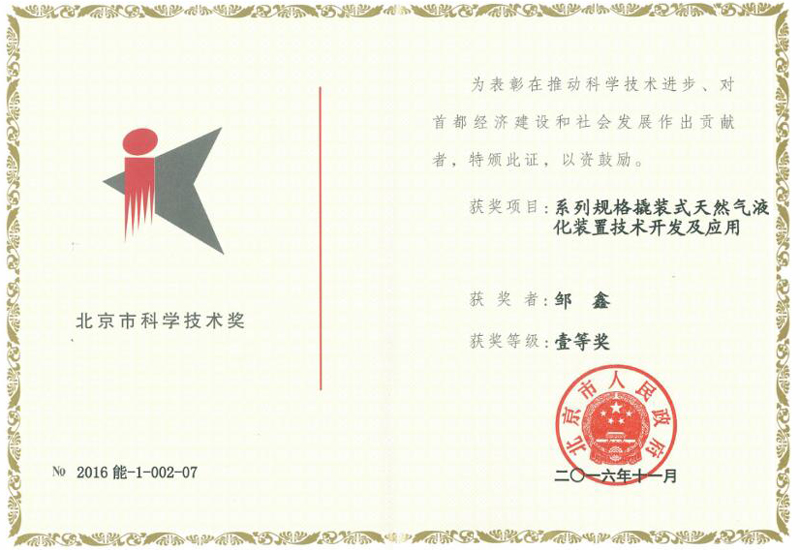
Large-scale industrial gas recovery system assembly.
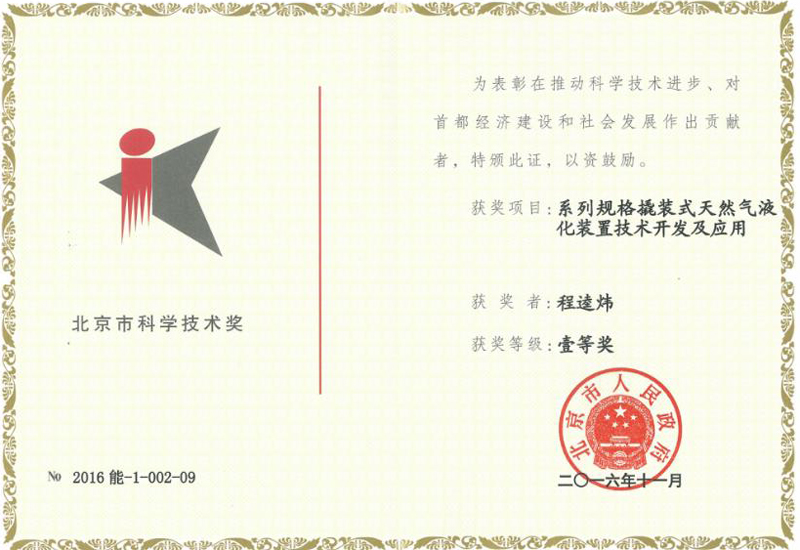
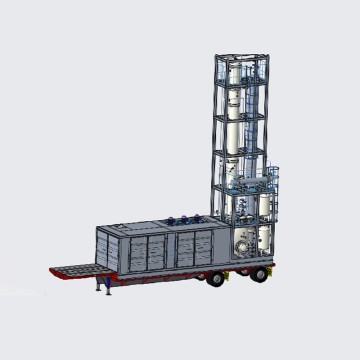
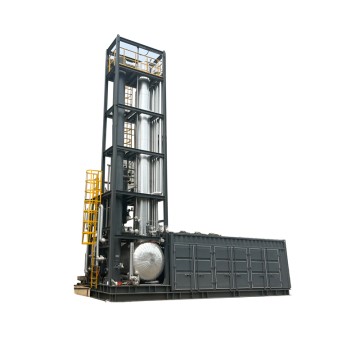
Standard structural skids engineered for transportability.
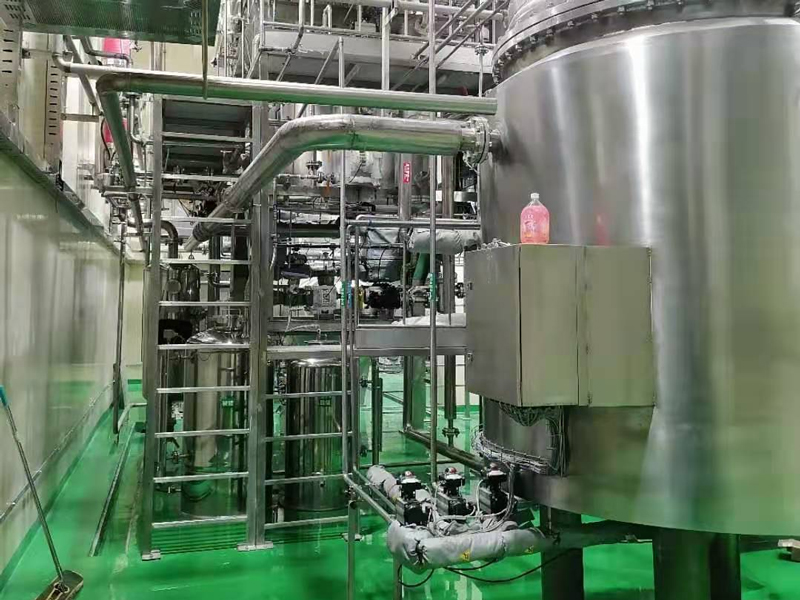
Harmless high-temperature tissue digestion systems.
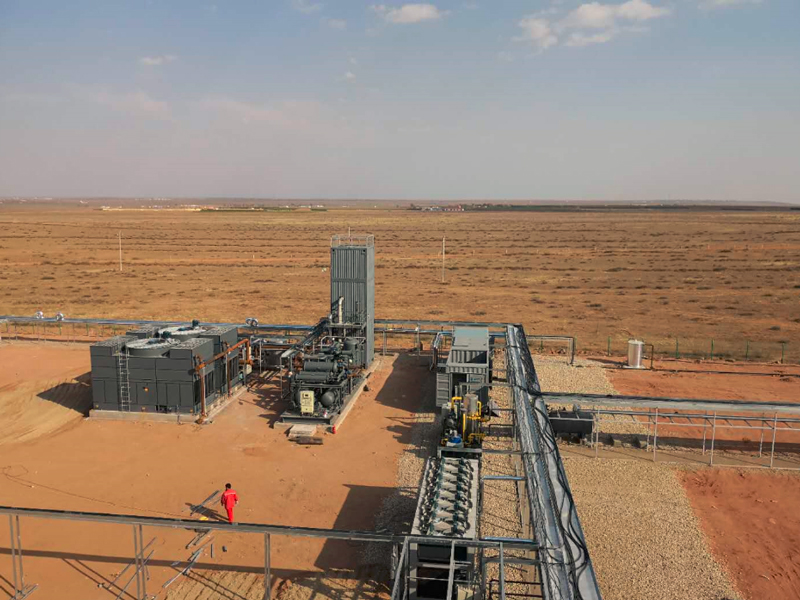
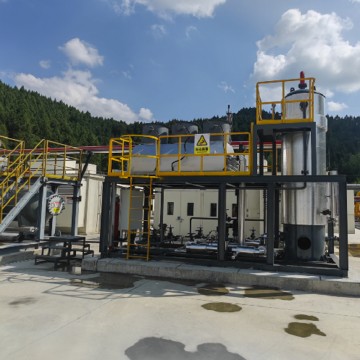
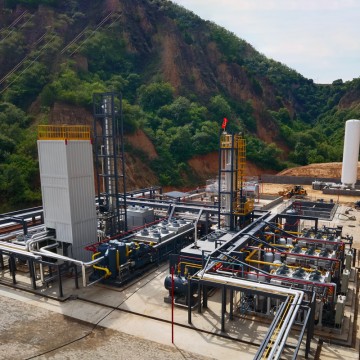
Decentralized skid-mounted liquefaction installation.
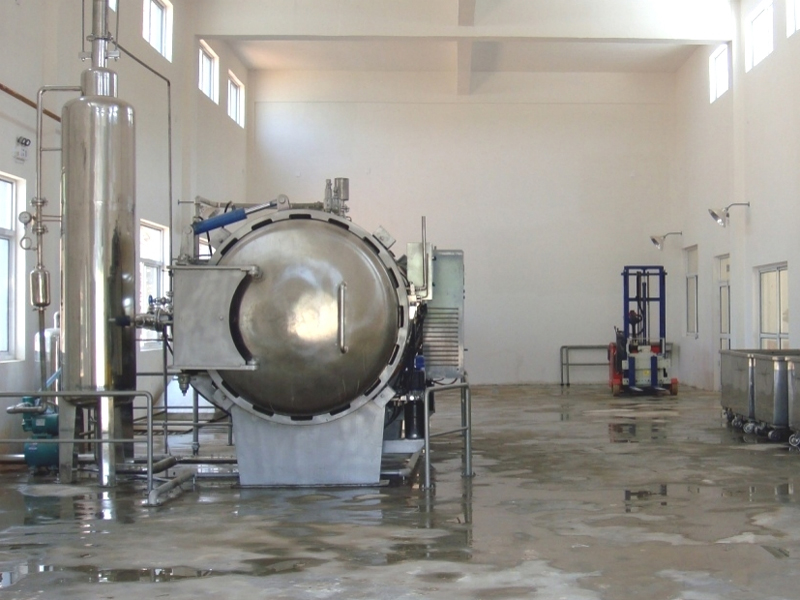
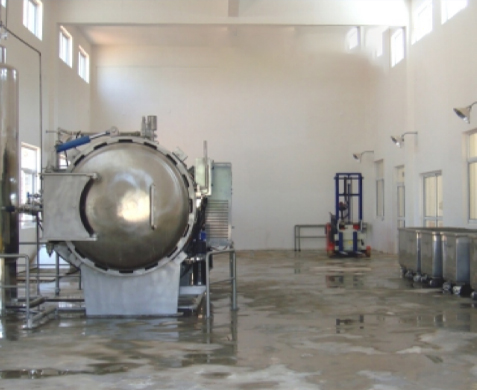
High-pressure, high-capacity centralized autoclaving.
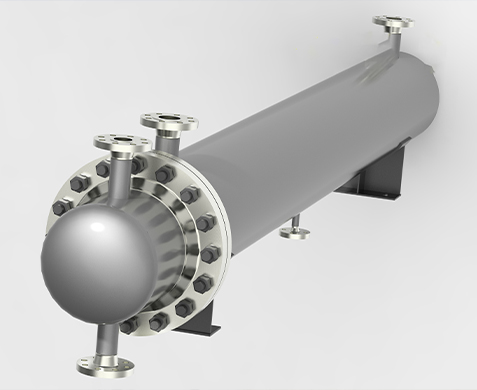
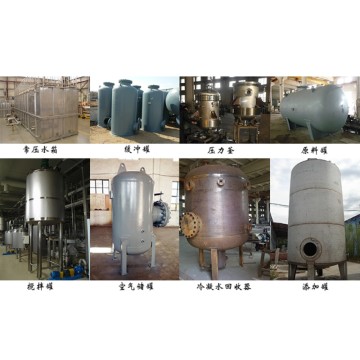
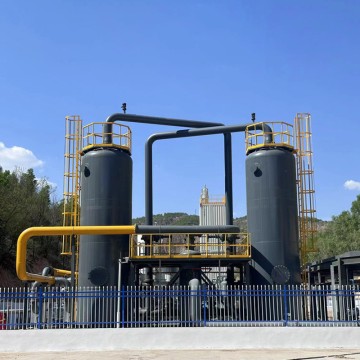
Modular components for high-temperature and cryogenic applications.
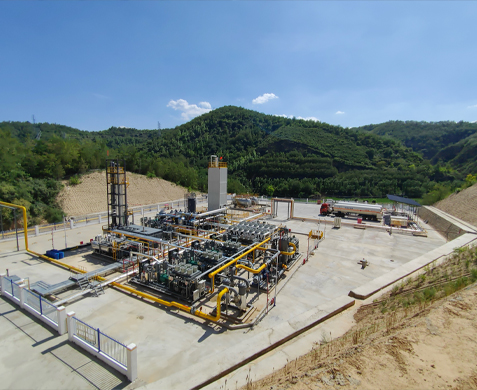
Custom separation and process control manifolds.
Industrial demand for purity, corrosion resistance, and low trace-element contamination requires ongoing materials research. The engineering roadmap at Hebei Hongke Qingneng focuses on several metallurgical and design areas:
For high-purity chemical processing, standard 304 stainless steel is often insufficient. Our product lines primarily utilize low-carbon 316L stainless steel, containing molybdenum to improve resistance to chloride-induced pitting. For corrosive environments, such as high-temperature bio-waste hydrolysis and sour gas desulphurization, we use Hastelloy C276 and Duplex 2205/2507 steels, which balance high mechanical yield strength with corrosion resistance.
Mechanical polishing can leave micro-scratches on vessel walls. Electropolishing utilizes an electrochemical process to remove surface irregularities. This process selectively dissolves microscopic peaks, creating a smooth finish with a roughness of Ra ≤ 0.25μm. This helps prevent biofilm formation and facilitates clean-in-place operations.
Thermal gradients, high operating pressures, and cyclic loads can cause mechanical fatigue at nozzle intersections and vessel seams. Using PV Elite and ANSYS FEA packages, our designers simulate structural behavior under combined loads. This allows us to optimize wall thicknesses, design reinforced nozzle designs, and choose suitable shell heads (torispherically or semi-ellipsoidally shaped) to ensure long-term pressure vessel integrity.
In response to global carbon mitigation initiatives, we are expanding our engineering focus. The company is developing BOG (Boil-Off Gas) helium extraction systems, cryogenic hydrogen storage vessels, and advanced VOC recovery systems. By applying our pressure containment and thermodynamic experience, we are positioning our product range to support emerging green energy frameworks.
Detailed engineering answers to common inquiries from technical procurement managers and design engineers.
Standard pressure vessels focus primarily on structural containment safety. Sanitary vessels must also prioritize purity and contamination prevention. They feature polished internal surfaces (Ra ≤ 0.4μm), orbital autogenous welding to minimize joint oxidation, and the elimination of physical crevices or dead legs. These features allow for complete clean-in-place (CIP) and steam-in-place (SIP) operations, preventing microbial accumulation.
Stainless steel 316L contains 2-3% molybdenum, which increases its resistance to chloride-induced pitting and crevice corrosion compared to 304. The low carbon content (the "L" designation, ≤ 0.03% C) prevents carbide precipitation during welding, maintaining corrosion resistance in weld zones without requiring post-weld annealing.
Key quality certifications include the A2 level pressure vessel manufacturing license (in China, under GB150 guidelines), ASME Section VIII Div 1 certification (for international markets), GB/T19001-2016 (ISO 9001:2015) quality management systems, and safety-specific certifications such as Sinopec HSSE or China Petroleum Health, Safety & Environment management system approvals.
Our skid bases are engineered from heavy structural steel profiles designed to withstand dynamic transport loads. Before fabrication, FEA structural software calculates deflection risks under multi-axial G-forces. Pipe systems are supported by dynamic spring hangers or shock mounts, and all code welds undergo radiographic testing (RT) or ultrasonic inspection to verify joint integrity before shipping.
Specialized systems for biological containment, low-temperature gas processing, and non-standard pressure vessel applications.
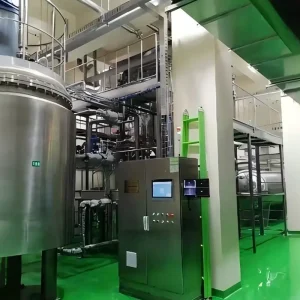
Specialized technological solutions tailored for modern green transition and environmental optimization.

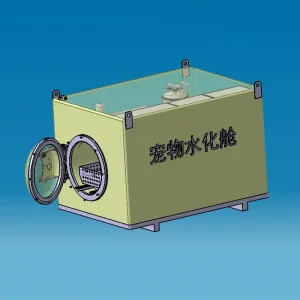
Includes centralized and mobile medical waste high-temperature steam treatment installations, along with animal tissue residue treatment chambers.

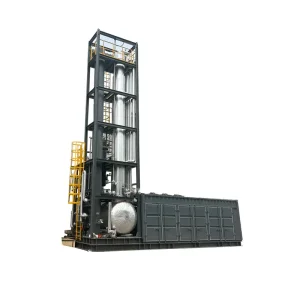
Modular skid-mounted gas processing plant layouts, including deacidification, dehydration, and heavy hydrocarbon extraction units.

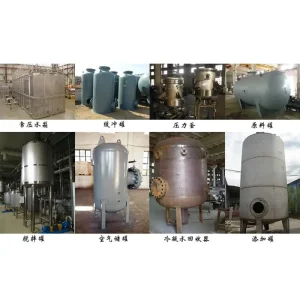
Design and structural engineering of shell-and-tube heat exchangers, chemical reactors, flash drums, and laboratory testing rigs.

Custom process refrigeration units for temperatures down to -180°C, including vacuum cold trap units and pharmaceutical freeze-dryers.
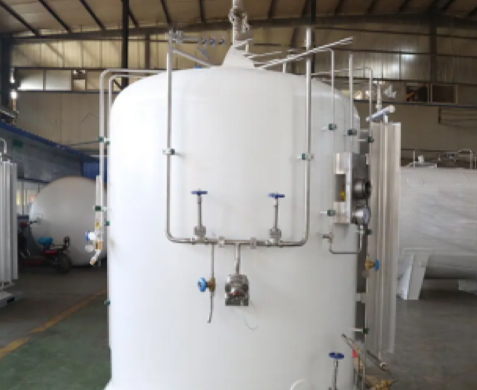
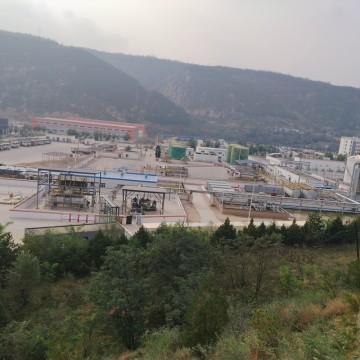
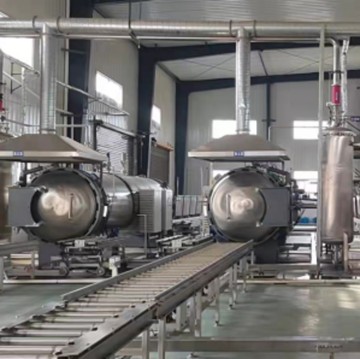
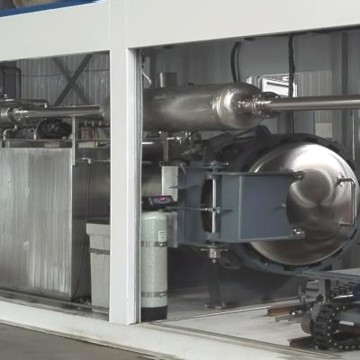
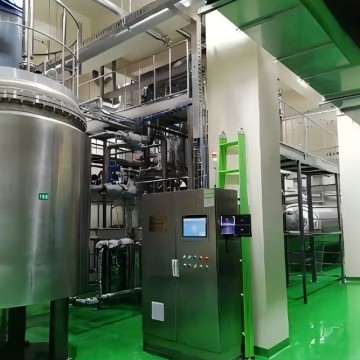
A view of our component manufacturing, assembly processes, and system configurations.
Discuss your project parameters, materials preferences, certification requirements, or layout constraints directly with our design department.
 Hongke Qingneng