Industrial skid-mounted environmental, cryogenic and customized heat exchanger hardware systems
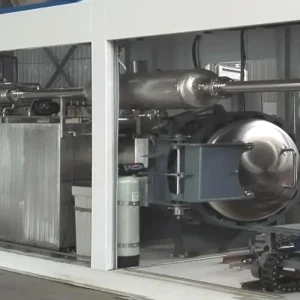
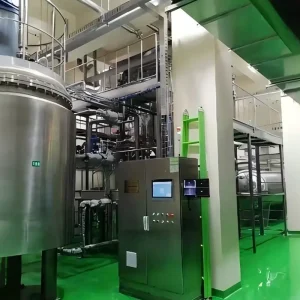
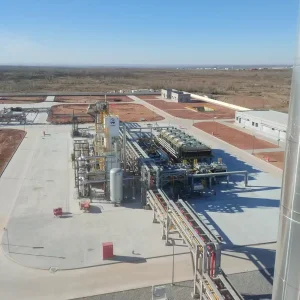
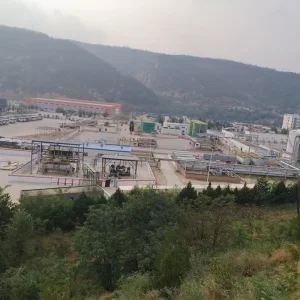
Hebei Hongke Qingneng Environmental Protection Equipment Co., Ltd. was established in June 2021 with a registered capital of 78 million yuan. Located in the high-tech industrial hub of the Sanhe Economic Development Zone, Langfang City, we have positioned ourselves as a leading engineering and manufacturing powerhouse in China. We focus intensively on the research, development, and scaling of energy-saving systems and environmental protection technologies.
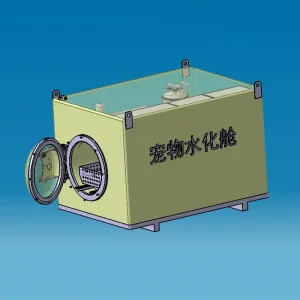
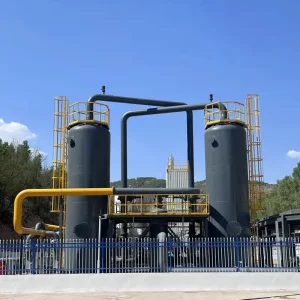
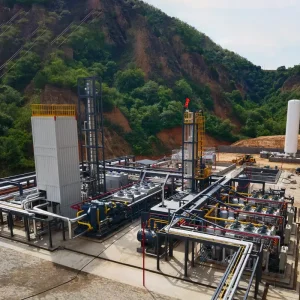
Our comprehensive production footprint spans the design and fabrication of complex A2-level pressure vessels, steam condensation facilities, high-temperature medical waste sterilization systems, biological wastewater inactivation equipment, and specialized skid-mounted purification assemblies. Our systems serve crucial industrial sectors, including coalbed methane extraction, natural gas liquefaction, VOC mitigation, industrial refrigeration, and helium extraction systems.
With direct technical pedigree tracing to top academic institutions, we solve complex phase-change and heat-transfer problems for clients worldwide. By maintaining strict control over thermodynamic and fluid mechanic design, we manufacture steam condensers that maximize thermal recovery, optimize vacuum retention, and reduce operational costs.
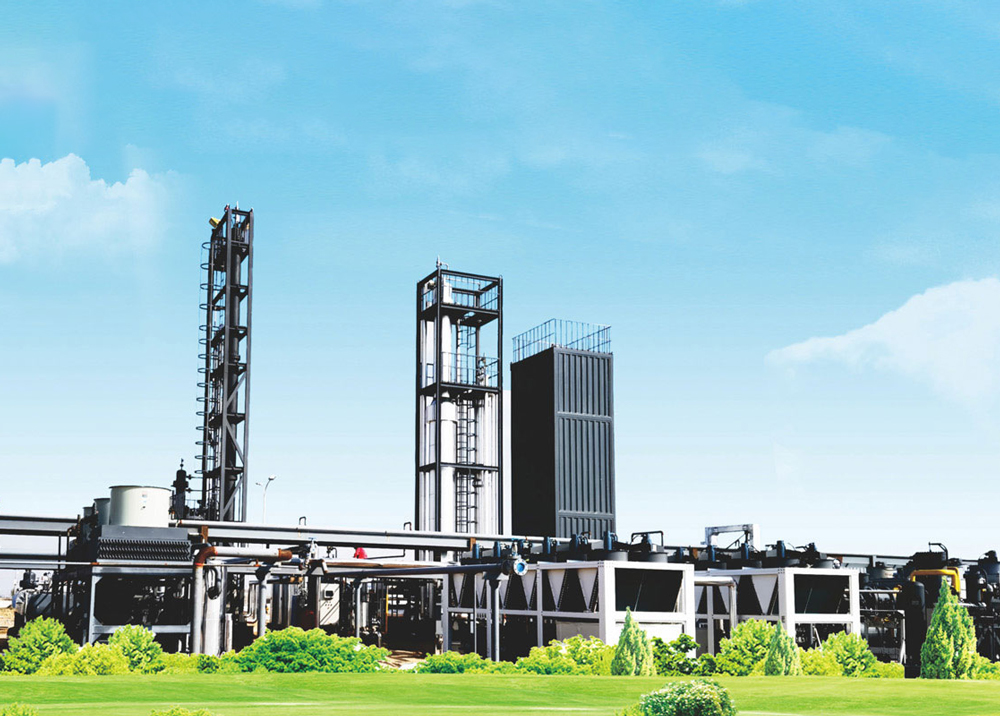
Translating scientific research into field-proven industrial performance
Our engineering division hosts experts from Tsinghua University and the Institute of Physics and Chemistry Technology, Chinese Academy of Sciences (CAS). We have secured multiple independent intellectual property patents, bridging modern heat transfer physics with field-proven industrial applications.
We possess the national A2-level Pressure Vessel Manufacturing License and Pressure Pipeline Component Manufacturing License. Our facilities run on certified GB/T19001-2016 (ISO 9001) quality standards and hold Sinopec HSSE and China Petroleum HSE certifications.
We build our environmental and thermal equipment to assist in gas recovery, resource protection, air pollution prevention, and global carbon reduction. Our designs optimize resources to help heavy industry meet net-zero carbon goals.
An Industrial Whitepaper on Phase-Change Heat Transfer and Efficiency Optimization
Industrial steam condensers are key components in power generation, chemical processing, and environmental containment systems. At their core, these systems transfer the latent heat of vaporization from steam to a cooling medium, converting the gas back to a liquid state. Operating under vacuum or positive pressure, steam condensers must maintain structural integrity while optimizing heat transfer coefficients.
Condensation typically occurs in two modes: filmwise and dropwise. In typical operations, a thin liquid film covers the condenser tubes, creating a thermal barrier that reduces overall heat transfer. Our R&D team designs tube bundle configurations and surface profiles that promote dropwise condensation, where droplets detach rapidly from the surface. This method can yield heat transfer coefficients up to 10 times higher than filmwise condensation.
Air leakage and chemical off-gassing introduce non-condensable gases (such as nitrogen, oxygen, and carbon dioxide) into the condenser shell. If left unchecked, these gases gather near the cold tube surfaces, creating a barrier that slows vapor diffusion. Hongke Qingneng integrates custom-engineered vacuum extraction zones and steam jet ejectors. This setup prevents NCG accumulation, maintains optimal vacuum, and protects the condenser shell from localized corrosion.
Steam condensers must withstand thermal stresses, high pressure differentials, and corrosive process fluids. Depending on the environment, we construct our shells and tubes from premium materials, including:
Our technologies are guided by senior engineers and research fellows from the Chinese Academy of Sciences (CAS), ensuring high technical accuracy and reliability in all our designs.
Founder & Chairman
Doctorate from the Institute of Physics and Chemistry Technology, CAS. Senior Engineer who has led major national 863 Program projects and aerospace thermal systems. Recipient of Beijing Science and Technology Awards, holding over 20 independent patents in phase-change heat transfer.
General Manager & Senior Engineer
Ph.D. Candidate at CAS. Has directed large-scale commercialization of skid-mounted environmental and liquefaction systems. Published 24 academic papers (11 indexed in SCI/EI) and holds 5 patents in cryogenic and chemical engineering processes.
Chief Engineer
Doctor of Engineering from the Institute of Physics and Chemistry Technology, CAS. A specialist in mixed working medium phase-change heat transfer and flow characteristics. Designed over 50 skid-mounted liquefaction and VOC condenser systems.
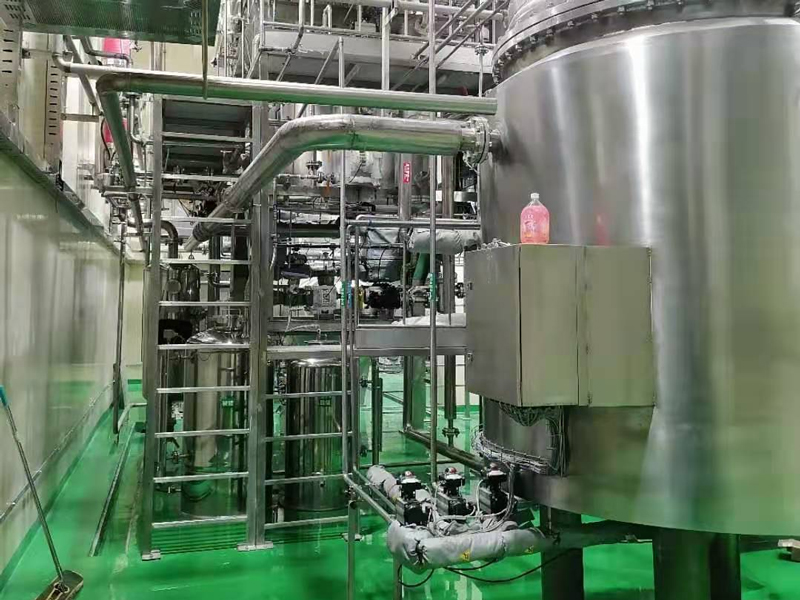
Animal Residue Treatment
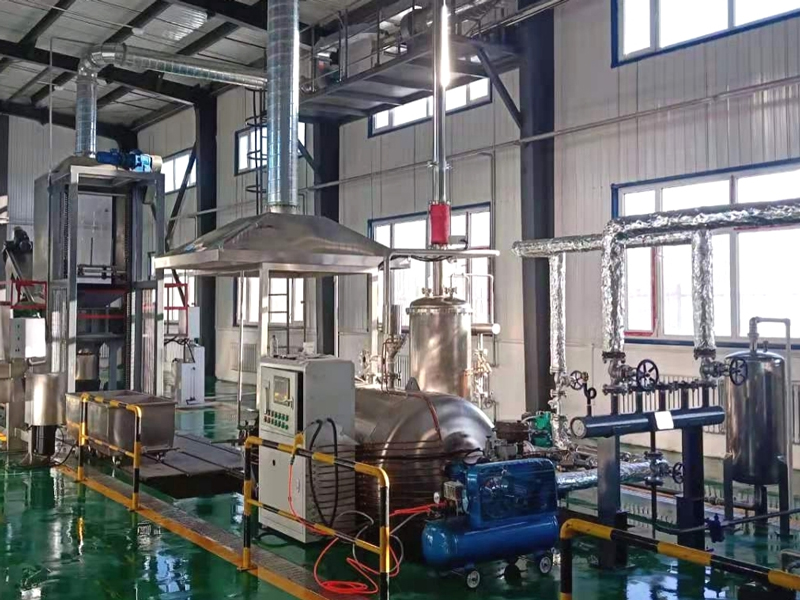
Mobile Steam Waste Disposal
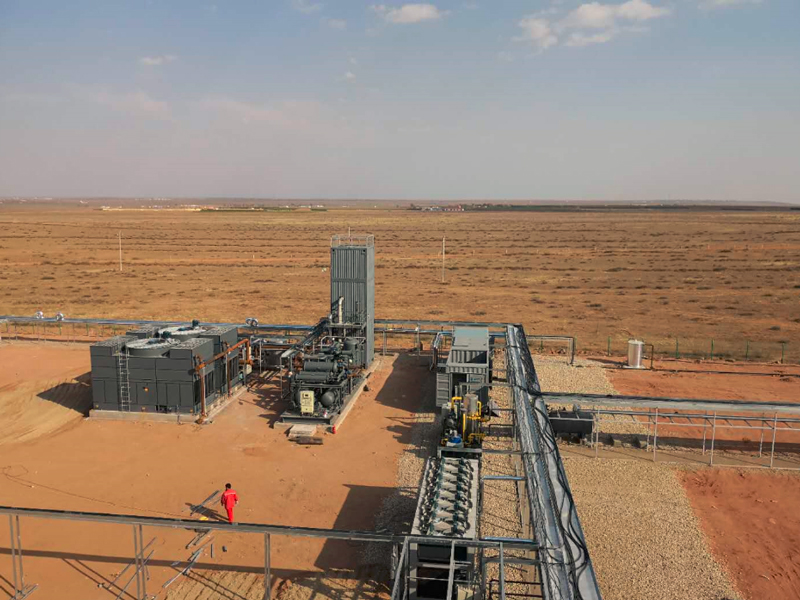
Well Gas Liquefaction
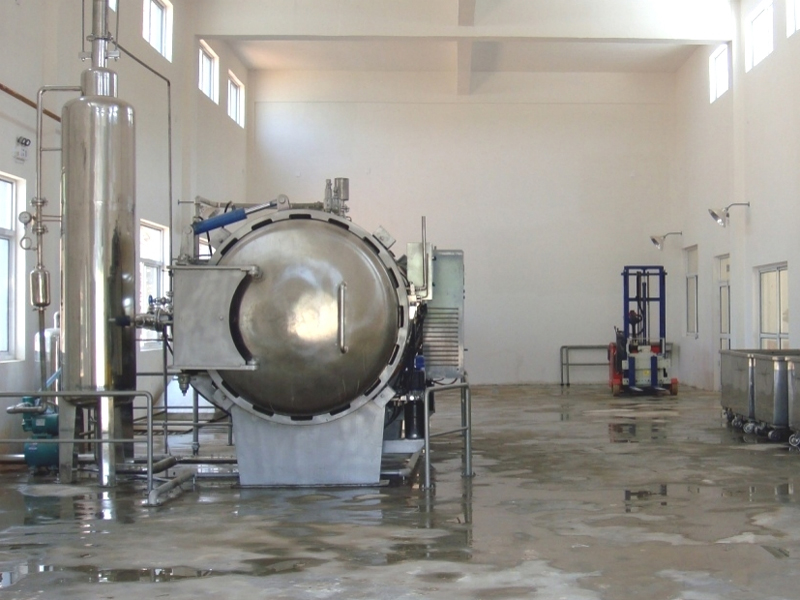
Centralized Steam Sterilization
Our steam and gas condensation technologies are integrated into high-demand industrial sectors:
Developing sustainable, high-efficiency phase-change systems
We are integrating nanostructured tube coatings to promote dropwise condensation. This treatment prevents liquid film formation, maintaining high heat-transfer coefficients in industrial installations.
Our steam condensers are designed to recover pure condensate for reuse in industrial boilers. This design reduces wastewater volume and lowers raw water intake requirements.
We are incorporating real-time thermal sensors and automated venting valves. These components detect non-condensable gas accumulation and self-adjust to maintain optimum vacuum pressure.
We design and construct pre-assembled, skid-mounted condenser systems. Shipped directly from our factory, these skids minimize field welding, electrical installation, and commissioning time.
Hongke Qingneng maintains strict manufacturing controls to ensure safety and performance in hazardous, high-pressure, and cryogenic environments.
| Parameter | Standard Specs |
|---|---|
| Operating Vacuum | -0.098 MPa to -0.1 MPa |
| Shell Design Temperature | -196°C to +350°C |
| Standard Design Codes | GB150, JB/T 4717, TEMA Class R/C/B |
| Shell/Tube Materials | 304L, 316L, Duplex 2205, Titanium Gr.2 |
| Testing Verification | Hydrostatic, Helium Leak, Radiographic (RT) |
Direct technical answers from our engineering team regarding design and operations
Industrial solutions designed for environmental safety, gas recovery, and energy efficiency
 Hongke Qingneng