China Stirred Tank Reactor Suppliers & Supplier

Precision Engineered Non-Standard Pressure Vessels, Skid-Mounted Process Systems, and Industrial Reactor Solutions Engineered for Global Compliance and High-Performance Processing

Engineering Stirred Tank Reactors & Process Infrastructure

Within modern industrial processing, the choice of a Stirred Tank Reactor (STR) supplier dictates the safety, efficiency, and yield of complex chemical transformations. High-performance continuous stirred tank reactors (CSTR) and batch reactors represent critical infrastructure across chemical manufacturing, natural gas processing, biological waste management, and environmental decontamination systems. These units demand unparalleled mechanical integrity, optimized impeller mechanics, and robust thermodynamic controls.

Hebei Hongke Qingneng Environmental Protection Equipment Co., Ltd. (established in June 2021, registered capital 78 million Yuan) sits at the technological forefront of this sector. Based in the industrial hub of the Sanhe Economic Development Zone, Langfang City, our facility specializes in the research, development, and high-precision manufacturing of energy conservation, cryogenic systems, and non-standard pressure vessels. Through a unique synergy of academic excellence and manufacturing prowess, we engineer processing units designed to withstand intense thermodynamic demands while delivering reliable lifecycle output.

"Our mission focuses on delivering innovation-driven development and service-led upgrades. Every pressure vessel and stirred tank system we fabricate embodies the rigorous engineering standards required by our global partners."

By using premium alloys, structural design validation, and advanced manufacturing protocols, our engineering team ensures that every reactor system complies with strict international environmental regulations, and specific operational configurations.
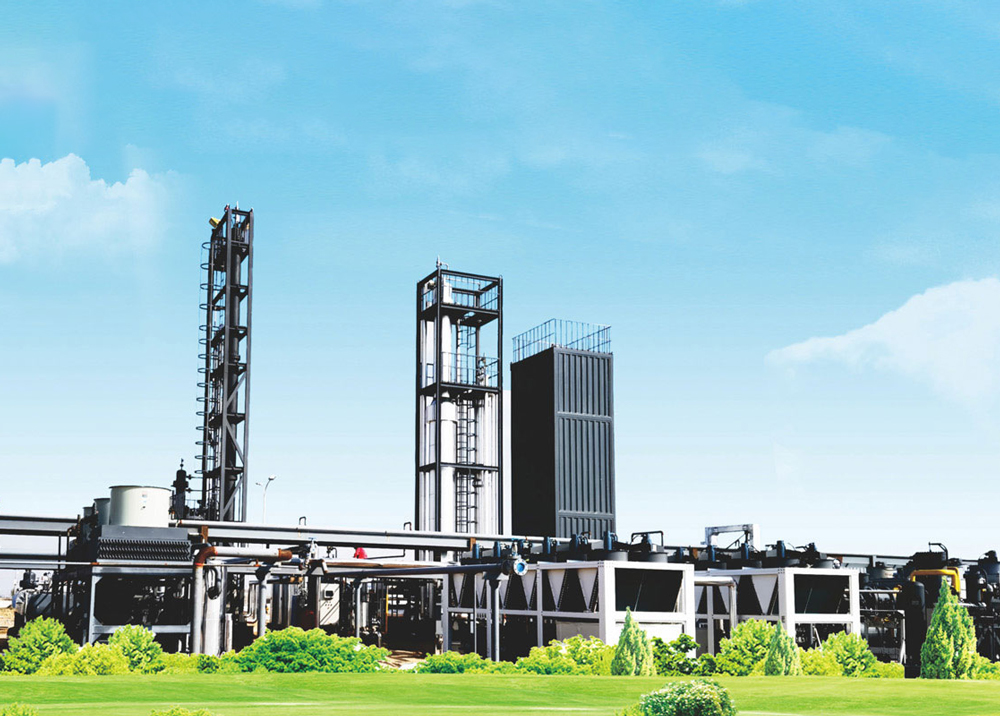
Hongke Qingneng Environmental Protection Equipment Factory Overview

Academic Leadership & Engineering Pedigree

Our technical foundations are built upon breakthroughs achieved in collaboration with leading scientific institutes, including the Chinese Academy of Sciences.

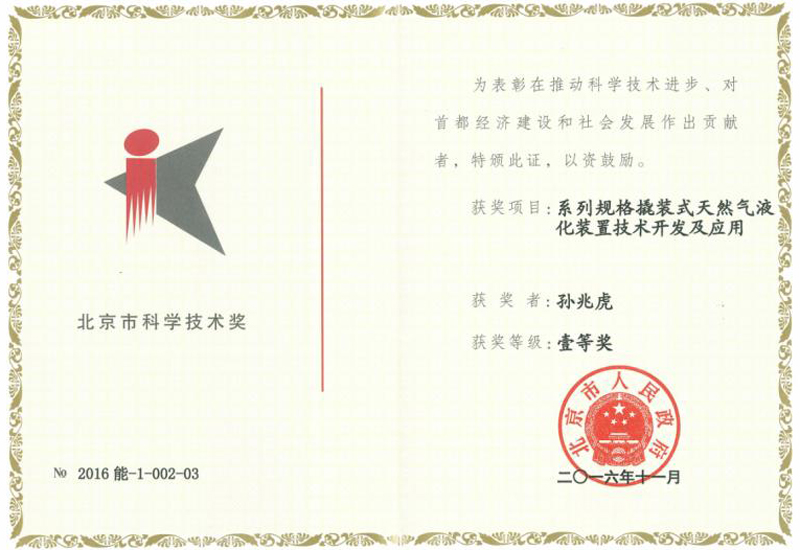
Dr. Sun Zhaohu

Founder & Chairman

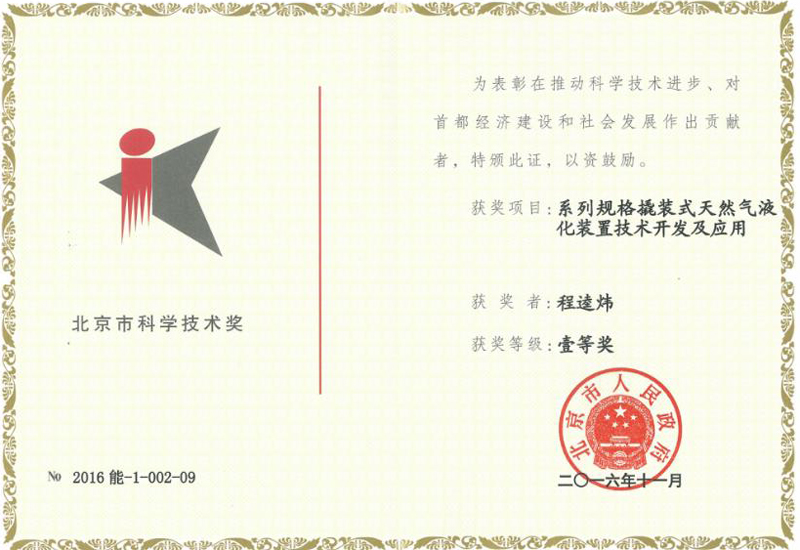
Doctorate from the Institute of Physics and Chemistry Technology (CAS). A Senior National Engineer who has directed the National 863 Program, natural science foundation projects, and aerospace initiatives. Awarded the Special Prize of Technological Invention by the Chinese Society of Refrigeration (2015) and the Beijing Science and Technology Award (2016). Holder of 20+ proprietary intellectual properties, leading the design of over 50 industrial skid units.

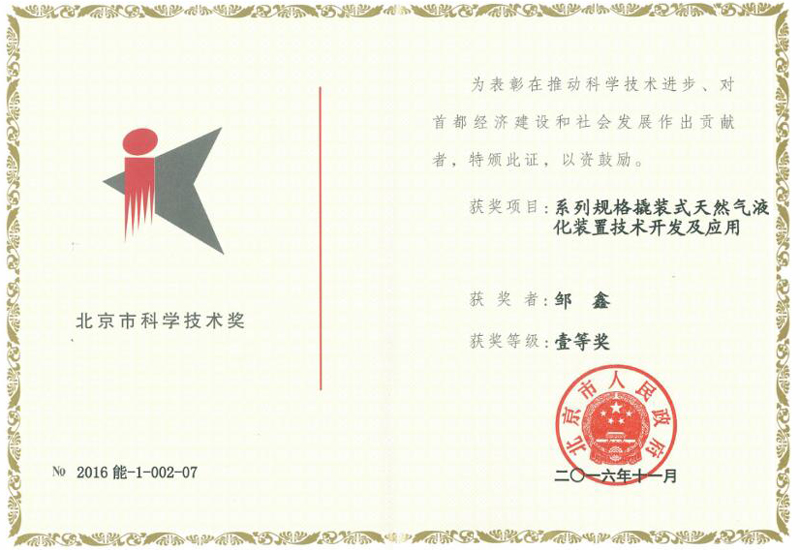
Dr. Zou Xin

General Manager & Researcher

Ph.D. Researcher at the Institute of Physics and Chemistry Technology, Chinese Academy of Sciences. Specialist in gas dynamics and cryogenics, author of 24 scholarly works (11 indexed in SCI/EI). Secured the Silver Medal at the 19th China International Industry Expo. Oversees corporate development, logistics integration, and international quality alignment across our industrial pressure vessel product lines.

Dr. Cheng Kuwei

Chief Process Engineer

Doctor of Engineering from CAS, specialized in thermal fluid dynamics and phase change heat transfer of mixed working media. Developed industrial skid-mounted liquefaction systems, earning the Special Prize of the Chinese Refrigeration Society. Dr. Cheng bridges advanced academic theory with process application, ensuring reactor heat transfer jackets and agitators perform optimally.
¥78M
Registered Capital
A2
Pressure Vessel License
50+
Skid Systems Implemented
20+
Patents & Proprietary IPs
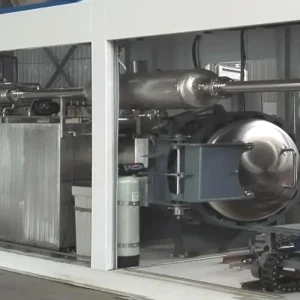
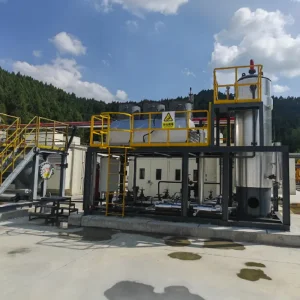
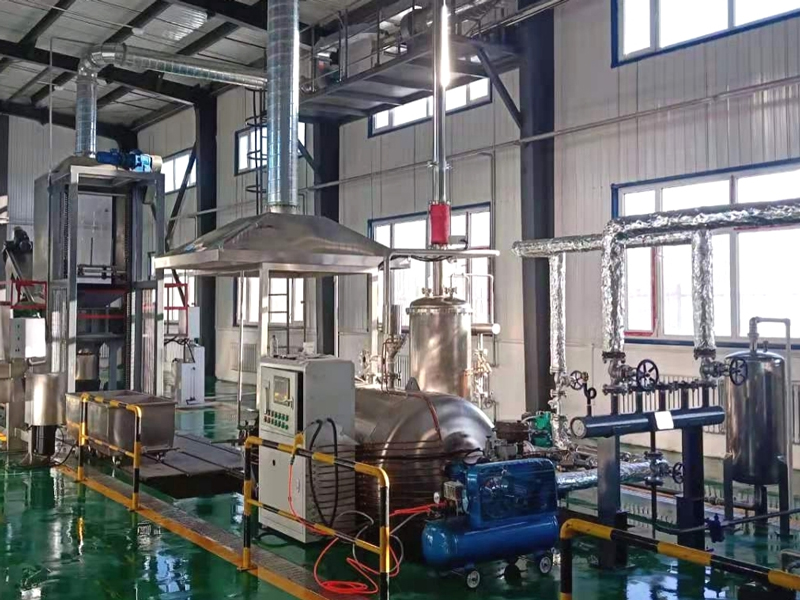
Mobile Medical Waste Treatment Skid Assembly

Technical Advantages & Certification Framework

Deploying Stirred Tank Reactors and pressure systems internationally requires rigorous compliance with quality frameworks. Our production infrastructure holds key certifications verifying our capacity to design, fabricate, and test complex non-standard process units:

  • A2 Level Pressure Vessel License: Authorizes the fabrication of high-pressure process reactors and vessels.
  • Pressure Pipeline Components Manufacturing License: Guarantees containment integration under high-stress conditions.
  • Quality Management Systems: GB/T19001-2016 and ISO 9001:2015 certified production lines.
  • Energy Sector Qualifications: Certified under Sinopec HSSE and China Petroleum Health, Safety, and Environment management standards.

These certificates reflect our commitment to engineering integrity, proving our suitability as a primary supply partner for global chemical, environmental, and energy companies.

The Strategic Chinese Manufacturing Advantage

Why multinational chemical and energy corporations trust Chinese fabrication for heavy process hardware.

Advanced Modular Skid Assembly

We supply process equipment in pre-assembled, modular skids. Structural assembly, piping, wiring, and PLC integration occur within our controlled facility, minimizing on-site construction times and commissioning delays.

Robust Material Supply Chain

Our proximity to domestic steel hubs in northern China ensures priority access to high-grade alloys (SUS304, SUS316L, duplex steels, titanium, and nickel alloys), securing competitive pricing and stable lead times.

Rapid Turnaround & Logistics

Operating near major shipping ports allows us to expedite custom fabrications. We execute project scheduling, quality gates, and dispatch tracking to keep your industrial upgrades on time.

Hongke Qingneng Industrial Capability Matrix

Our design and manufacturing capabilities span four distinct process sectors.

Environmental Containment

  • Centralized medical waste high-temperature steam treatment systems.
  • Mobile medical waste disposal skids.
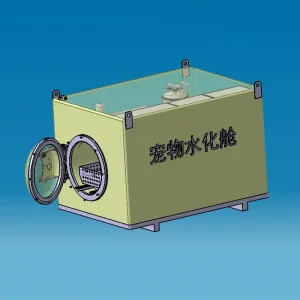
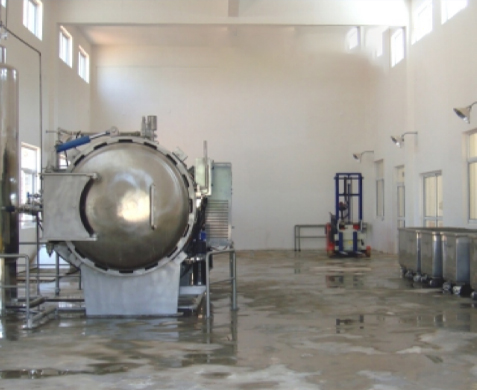
  • Laboratory animal carcass hydrolysis chambers.
  • Pet harmless treatment units.

Natural Gas Systems

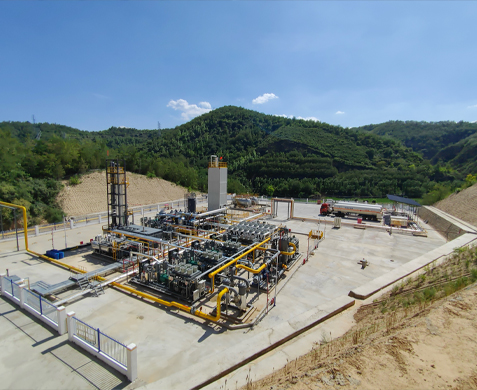
  • Skid-mounted LNG liquefaction units.
  • Feed gas purification (deacidification, dehydration, heavy hydrocarbon removal).
  • Gas processing plants and tail gas recovery systems.
  • CBM & shale gas processing.

Non-Standard Vessels

  • Custom stirred tank reactors (CSTR).
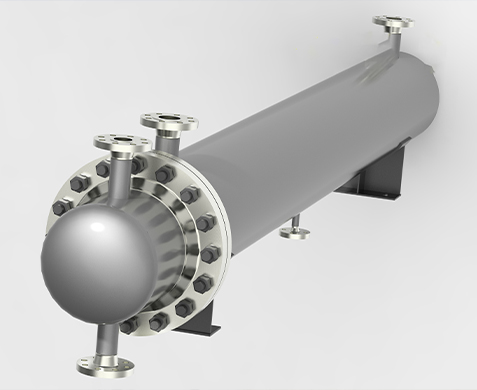
  • Shell and tube heat exchangers.
  • Process experimental benches.
  • High-temperature hot air stoves.

Cryogenics & Cold Chain

  • Ultra-low temperature refrigeration (-40°C to -180°C).
  • Deep freeze dryers (-70°C to -100°C).
  • Vacuum cold traps (-135°C).
  • BOG tail gas helium extraction.

Global Engineering Projects

Real-world applications showcasing our process design, mechanical engineering, and global shipping capabilities.
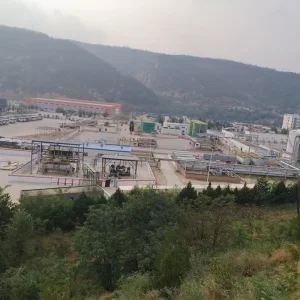
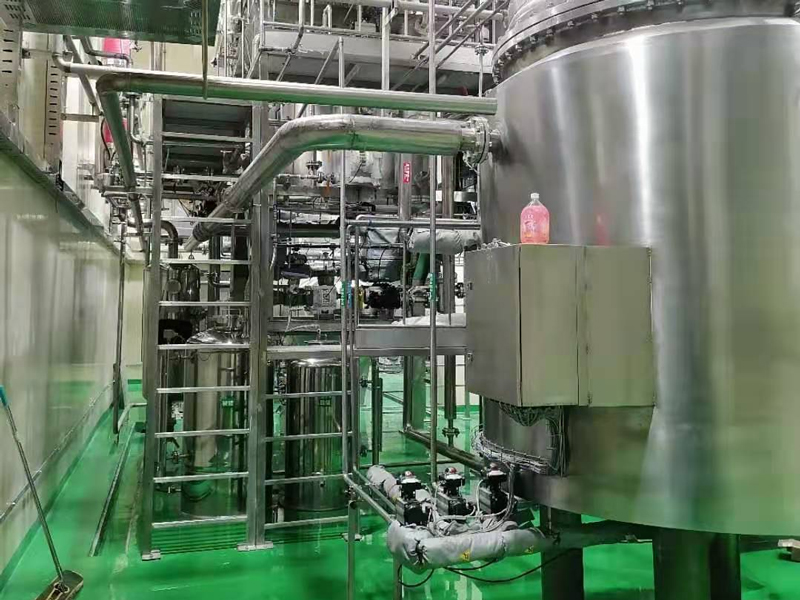
Industrial Fabrication Site 1
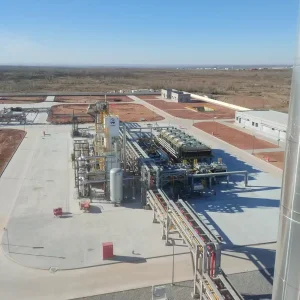
Industrial Fabrication Site 2
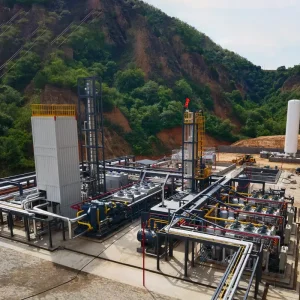
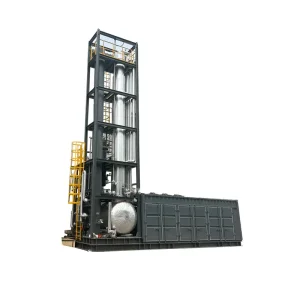
Liquefaction Cold Box Assembly
Laboratory Waste System Installation
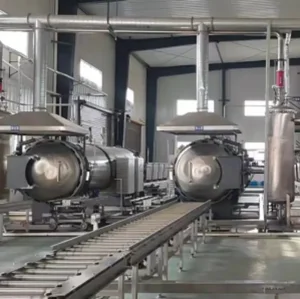
Pressure Vessel Assembly Line
Machining Operations
Welding Inspection and Testing
Final Quality Check & Shipping

Stirred Tank Reactors & Pressure Vessel FAQ

Expert answers regarding engineering specs, design options, compliance, and international procurement logistics.

1. What materials of construction (MOC) do you offer for stirred tank reactors?
We work with a wide range of materials depending on process requirements. Standard alloys include austenitic stainless steels (304, 304L, 316, 316L, 321). For highly corrosive environments involving acids or chlorides, we construct vessels using duplex stainless steels (e.g., 2205), nickel alloys (Hastelloy C276, Monel), titanium, or clad plate configurations.
2. Can you customize reactors to match ASME Section VIII Division 1 or European PED standards?
Yes. Our engineering division calculates, designs, and manufactures non-standard vessels in compliance with domestic GB150 codes, and can align designs with ASME and CE/PED guidelines for global operations. This includes stress-analysis validation via FEA (Finite Element Analysis) for complex geometries or cycling pressures.
3. What impeller and agitator configurations are available?
Agitation dynamics are tailored to fluid viscosity, gas dispersion, or solids suspension needs. We configure systems with marine propellers, pitched blade turbines, Rushton gas-dispersion turbines, anchor agitators, helical ribbons, or high-shear dispersers. Multi-shaft systems are also available for highly viscous products.
4. What shaft sealing mechanisms do you offer to prevent hazardous emissions?
To ensure zero leakage, especially in high-pressure or toxic environments, we offer double mechanical seals with barrier fluid systems (API plans), magnetic couplings for hermetically sealed operations, and simpler stuffing boxes for low-pressure applications.
5. What thermal management systems can be integrated into the vessel?
Vessels can be equipped with standard dimple jackets, conventional utility jackets, half-pipe coil jackets (ideal for high-pressure thermal media), or internal cooling/heating coils, depending on required heat transfer rates and system chemistry.
6. What are the advantages of skid-mounted chemical reactor assemblies?
Skid mounting groups the reactor, pumps, heat exchangers, valves, and PLC control cabinets onto a single structural frame. Because assembly and functional tests are performed before shipping, installation is simplified to basic utility hookups, shortening site commissioning periods.
7. How does the CAS research partnership impact your engineering quality?
Our association with the Chinese Academy of Sciences (CAS) and Tsinghua University keeps us updated on thermodynamic modeling, multi-component mixed refrigerant cycle designs, and advanced metallurgy. This research focus helps us prevent phase change and flow issues in low-temperature and high-pressure chemical processes.
8. What quality inspection protocols do you apply prior to delivery?
Every pressure vessel undergoes strict testing: Non-Destructive Testing (NDT) including X-ray radiography, ultrasonic thickness and flaw detection, dye penetrant checks, hydrostatic pressure testing (up to 1.5x design pressure), pneumatic leak testing, and helium mass spectrometer leak detection.
9. Do you design control automation panels for hazardous locations?
Yes. We integrate PLC architectures (Siemens, Rockwell, etc.) inside flameproof/explosion-proof enclosures (ATEX/IECEx certified) suitable for Zone 1 or Zone 2 hazardous gas and dust locations.
10. How do you package and ship heavy reactors globally?
Our close location to major shipping ports simplifies bulk transportation. We crate fragile instruments in seaworthy, vacuum-packed wooden cases and secure larger steel skids and vessels directly onto heavy-duty flat racks or inside open-top containers, using anti-corrosion barrier coatings.