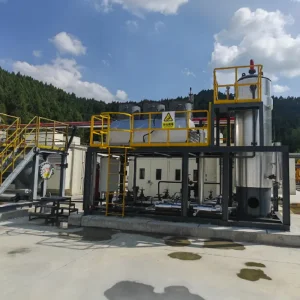
Explore our foundational equipment series manufactured according to international engineering standards.
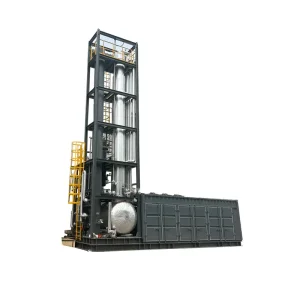
An in-depth analysis of global procurement trends, surface finish science, and non-standard pressure vessel engineering.
Electropolishing selectively removes microscopic peaks from stainless steel surfaces, yielding roughness profiles below Ra 0.2 μm to prevent bacterial adhesion and chemical corrosion.
Execution of heavy industrial pressure vessels requires meticulous alignment with ASME Section VIII Div 1 & 2, European PED standards, and domestic Chinese GB150 regulations.
Founded on proprietary innovations developed alongside researchers from Tsinghua University and the Chinese Academy of Sciences (Institute of Physics and Chemistry Technology).
Across the biopharmaceutical, ultra-pure chemical, semiconductor, and clean-tech manufacturing sectors, the surface finish of fluid storage and chemical treatment tanks plays a decisive role in quality control. Simple mechanical grinding often leaves microscopic grooves, embedded abrasives, and physical defects where bio-contaminants or corrosive salts can pool. Electropolishing (anodic dissolution in a controlled temperature acid bath) removes the top layers of metal, rendering a smooth finish at the atomic scale.
Hebei Hongke Qingneng Environmental Protection Equipment Co., Ltd. addresses this demand by fabricating robust electro polishing tanks and high-purity process vessels. By combining precision machining with electrolytic surface finishing, we eliminate surface stress, remove free iron, and deposit a dense chromium-oxide passive layer that ensures zero trace contamination. For pharmaceutical bioprocessing (cell culture, fermentation, harvesting) and chemical purification, our electropolished vessels set a benchmark for purity and structural reliability.
Achieving standard-defying finishes (Ra < 0.2 μm) requires a multi-stage technical workflow. At our Langfang manufacturing base, we execute the following material and mechanical processing route:
| Process Stage | Technical Parameters | Equipment / Chemistry Involved | Target Output Quality |
|---|---|---|---|
| 1. Precision Shell Rolling & Welds | Aligning margins within <0.5mm | Automatic TIG/Plasma Welding systems | Structural integrity according to ASME Sec VIII |
| 2. Mechanical Grinding | Graduating grit size from 80# to 400# | Flap wheels and automatic orbital grinders | Uniform raw surface finish of Ra 0.6–0.8 μm |
| 3. Anodic Electropolishing | Bath Temp: 55°C–70°C; Current: 10–25 A/dm² | Sulfuric/Phosphoric acid electrolytes, custom copper jigs | Micro-smoothing, removal of peaks, Ra < 0.2–0.4 μm |
| 4. Passivation & Rinsing | Nitric/Citric Acid spray, ultra-pure water wash | Closed-loop cleaning cabinets with DI-Water (>15 MΩ.cm) | Chrome-to-Iron ratio (Cr:Fe) > 1.5, zero acid residue |
Our research team, led by engineers from the Institute of Physics and Chemistry Technology (CAS), has optimized the flow characteristics of mixed electrolytes during the polishing cycle. By deploying unique internal fluid-dynamic simulation, we prevent local overheating and gas pocket formation in non-standard shaped vessel nozzles, assuring uniform glossiness and material passivation even in complex multi-port manifolds.
Procuring custom industrial vessels from overseas suppliers introduces significant business risks. Global engineering firms require partners who can manage complex requirements:
Looking ahead, industrial vessel fabrication is shifting toward automated, low-emission, and smart manufacturing methodologies. Hongke Qingneng is investing in robotic polishing units that use laser scanning to map weld curves and automatically adjust cathode-anode spacing during electropolishing. This ensures consistent finishing on irregular components such as dome ends and heavy-flange interfaces.
We are also upgrading our biological wastewater and VOC treatment portfolios to accommodate green chemistry. By recycling spent acids and recovering helium (BOG recovery plants), our industrial solutions align with global carbon-reduction metrics. Procurement officers can source vessels from a partner actively reducing carbon footprint across the supply chain.
Hebei Hongke Qingneng combines corporate scale with academic backing to deliver complex environmental and high-purity pressure vessel solutions.
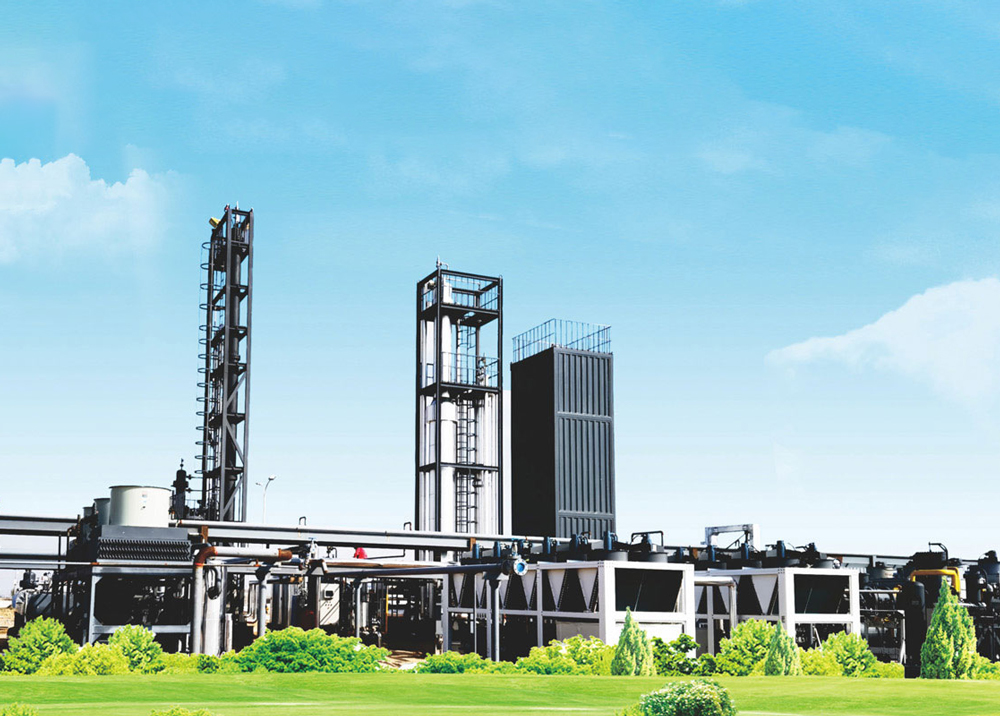
Established in June 2021 with a registered capital of 78 million yuan, Hebei Hongke Qingneng Environmental Protection Equipment Co., Ltd. focuses on R&D and production at Sanhe Economic Development Zone, Langfang. We hold A2-level pressure vessel manufacturing licenses and GB/T19001 quality system certifications, and are certified under the Sinopec HSSE and China Petroleum Health, Safety, and Environment management frameworks.
We design, engineer, and skid-assemble natural gas liquefaction systems, VOC control setups, biopharmaceutical chambers, and non-standard pressure vessels. Our engineering capabilities translate into high-performance electropolished tanks and fluid processing solutions tailored for harsh industrial operating environments.
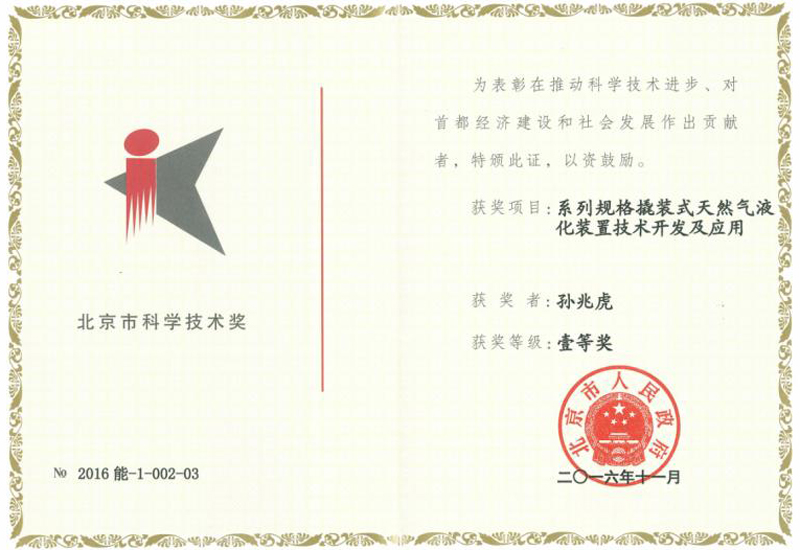
Dr. Sun Zhaohu (Founder & Chairman): PhD from the Institute of Physics and Chemistry Technology, CAS. Recipient of the Special Prize of Technological Invention from the Chinese Society of Refrigeration and the First Prize of the Beijing Science and Technology Award. He has managed major national research projects, filing over 20 independent intellectual property patents.
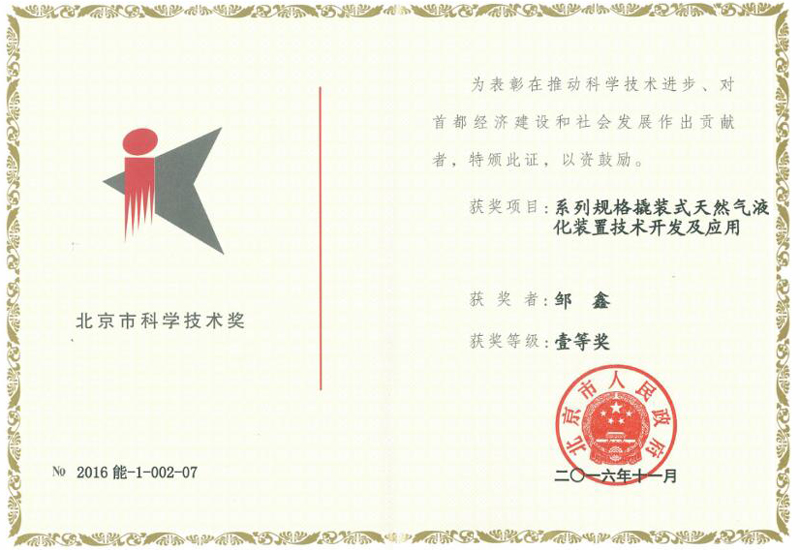
Zou Xin (General Manager): Senior Engineer (CAS Ph.D. candidate) with 24 published papers (11 SCI/EI) and multiple national invention patents. He oversees product commercialization and quality control workflows.
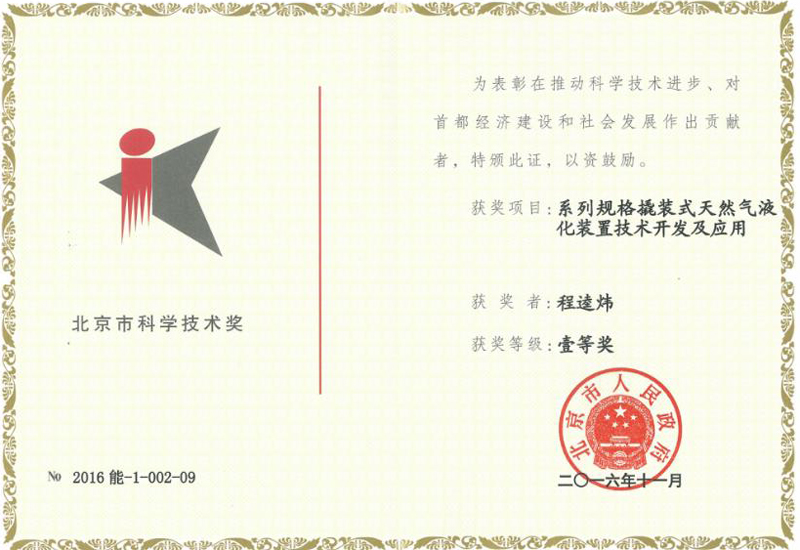
Dr. Cheng Kuwei (Chief Engineer): Ph.D. in Engineering (CAS). Expert in phase-change heat transfer, cryogenic fluid flow, and mixed refrigerant technology, heading the design of our skid-mounted liquefaction and purification plant modules.
Providing high-performance environmental systems, gas purification skids, and tailor-made industrial vessels.

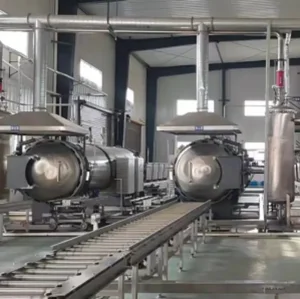
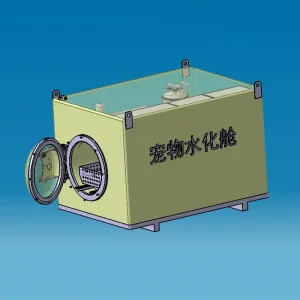
Medical waste high-temperature autoclaves, mobile disposal systems, and animal tissue hydrolysis treatment reactors designed for biosafety Level-3 facilities.

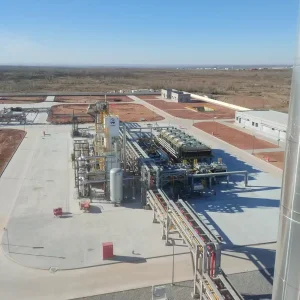
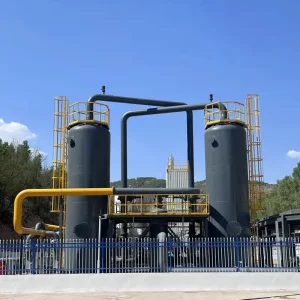
Skid-mounted gas treatment units, deacidification modules, molecular sieve dehydration units, heavy hydrocarbon extraction, and helium recovery components.

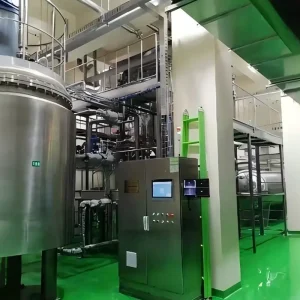
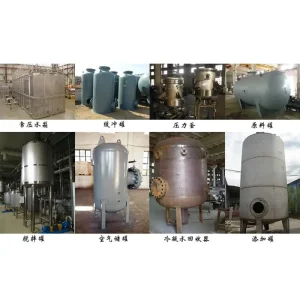
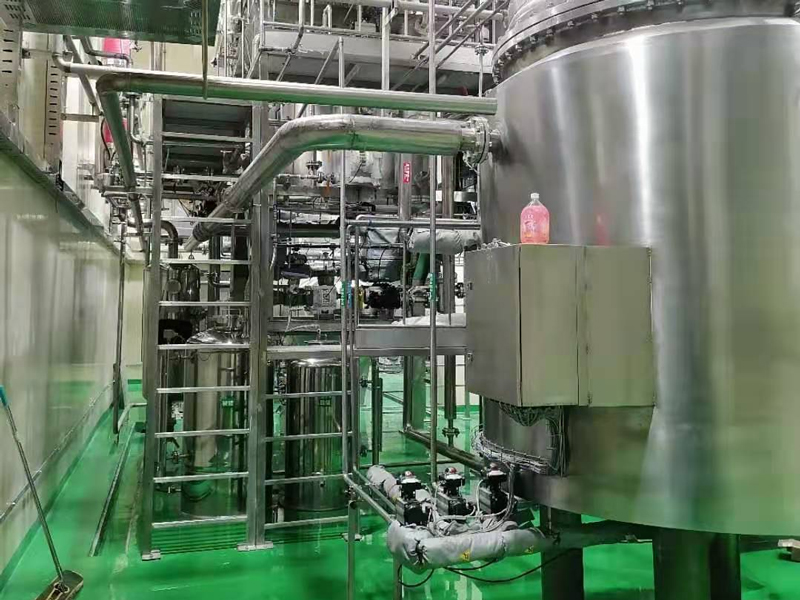
ASME-grade electropolished vessels, custom process tanks, thermal shell-and-tube exchangers, and pilot-scale process reactors built from corrosion-resistant alloys.
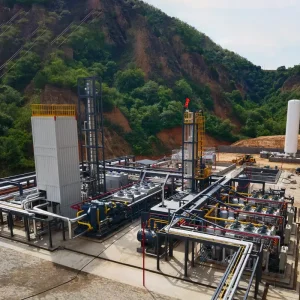
A look at our field-verified installations and project delivery cases.
Common questions answered by our engineering and metallurgy team regarding electropolished vessels and custom pressure equipment.
We routinely achieve a surface roughness (Ra) profile of less than 0.2 μm (8 micro-inches) on grade 316L stainless steel vessels. This capability satisfies the strict sanitary vessel requirements outline in ASME BPE standards for biopharmaceutical processing and aseptic formulation systems.
Yes. Our engineering department uses PV Elite, ANSYS, and SolidWorks FEA (Finite Element Analysis) to carry out full structural code calculations according to ASME Sec VIII Div 1, European PED, and Chinese GB150 guidelines, ensuring mechanical integrity under high pressure and temperature cycles.
Passivation chemically removes free iron from the surface of stainless steel, but does not alter the physical topography. Electropolishing, on the other hand, dissolves microscopic peak anomalies to smooth the surface physically while simultaneously depositing a protective chromium-rich oxide film that makes it easier to sanitize.
We process austenitic stainless steels (304, 304L, 316, 316L, 317L), super austenitic steels (904L), duplex stainless steels (2205, 2507), and nickel-based superalloys (such as Hastelloy C276) for demanding chemical processing applications.
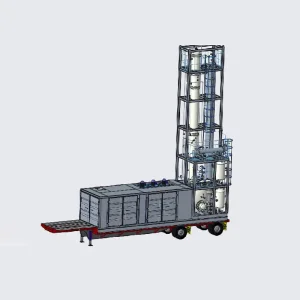
Specialized non-standard pressure vessels, purification columns, and skid-mounted liquefaction assemblies.
 Hongke Qingneng