Explore our leading catalog of certified pressure vessels, VOC purification plants, and skid-mounted processing equipment.
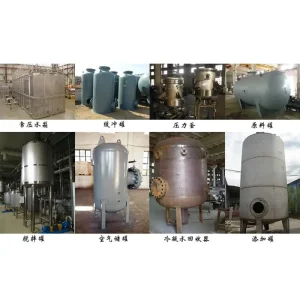
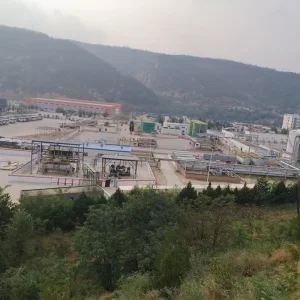
Established in June 2021 with a registered capital of 78 million yuan, Hebei Hongke Qingneng Environmental Protection Equipment Co., Ltd. has established itself as an engineering powerhouse in the industrial zone of Sanhe Economic Development Zone, Langfang City. Dedicated to the cutting-edge R&D and precision manufacturing of industrial pressure storage vessels and integrated gas purification systems, we bridge the gap between advanced academic thermodynamics and industrial-scale engineering.
Our research and design team boasts elite personnel hailing from prestigious institutions such as Tsinghua University and the Institute of Physics and Chemistry Technology, Chinese Academy of Sciences (CAS). With this robust academic backing, we focus on engineering safety, thermal efficiency, and long-term mechanical reliability across multiple sectors, including oil and gas recovery, environmental treatment, and ultra-low temperature industrial refrigeration.
Why Tier-1 global industrial companies trust Hongke Qingneng for complex pressure storage vessel projects.
We hold authorized A2-level pressure vessel manufacturing and pressure pipeline component design & fabrication licenses, meeting rigorous safety standards.
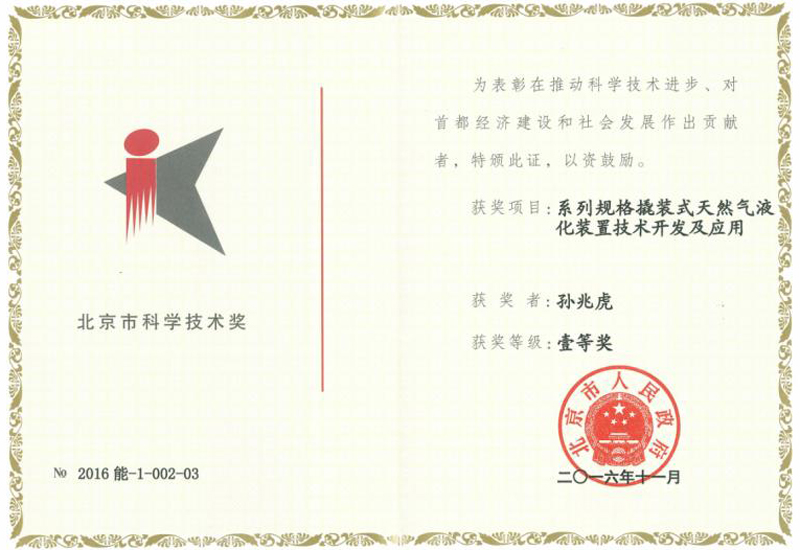
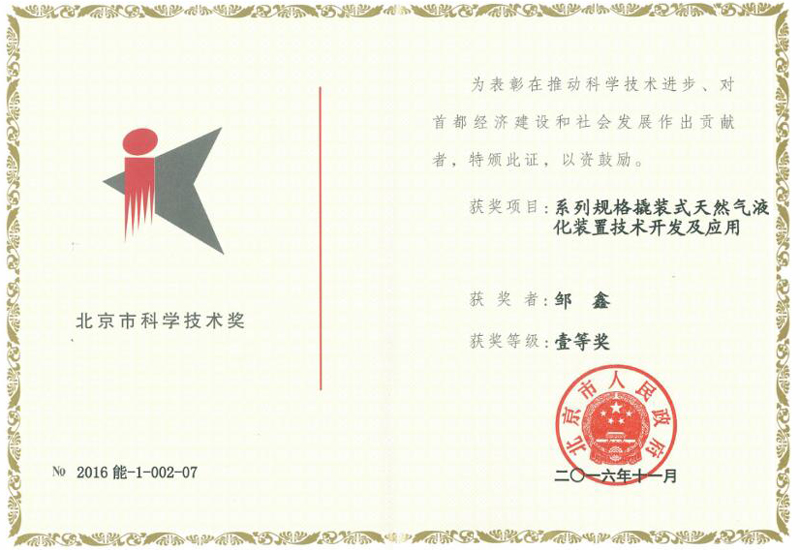
Propelled by research collaborations with Tsinghua University and Chinese Academy of Sciences (CAS), implementing cutting-edge cryogenic and thermodynamic solutions.
Fully certified under GB/T19001-2016 quality systems and Sinopec HSSE / China Petroleum Safety Management Systems for major energy projects.
Active engineering contributions toward national prevention and control of air pollution, carbon capture, VOC mitigation, and helium recovery.
Understanding structural market dynamics, localized compliance, and cost efficiencies when importing premium pressure storage vessels.
Procuring custom industrial pressure vessels from China is no longer just about raw cost reduction; it is about leveraging massive technological ecosystems. Located in Sanhe Economic Development Zone, Langfang, our production base lies within the heart of Northern China’s premier industrial steel manufacturing cluster. This provides us with direct access to top-tier steel mills producing specialized boiler and pressure vessel steel plates (such as Q345R, Q245R, SS30408, and SS31608) at highly competitive costs, with zero internal freight delays.
Furthermore, our integrated processing capabilities allow us to execute every step of the fabrication process in-house. From computerized CNC plate rolling, automatic submerged arc welding (SAW), to post-weld heat treatment (PWHT) and non-destructive testing (NDT), we maintain total control over quality and timelines. This significantly mitigates risks commonly associated with long supply chains, such as sub-contractor delays and material trace irregularities.
Global procurement teams often face hurdles regarding regulatory alignment and national safety codes. Our engineering team, headed by CAS PhDs, possesses a deep understanding of standard conversions. Whether your project requires adherence to ASME Section VIII Division 1 or Division 2 (USA), the Pressure Equipment Directive (PED 2014/68/EU) for Europe, or local registrations such as Canadian Registration Numbers (CRN), we provide the localized compliance paperwork required. We work closely with international third-party inspection agencies (including TÜV, SGS, Lloyd's Register, and BV) to audit and stamp our work prior to shipment, guaranteeing trouble-free site approvals upon arrival.
Explore real-world industrial environments where our pressure vessels and skid-mounted plants perform daily under critical parameters.
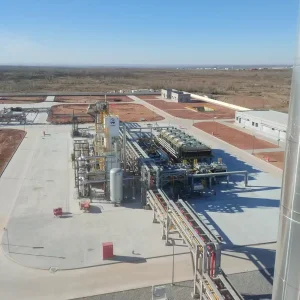
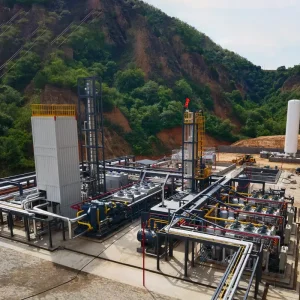
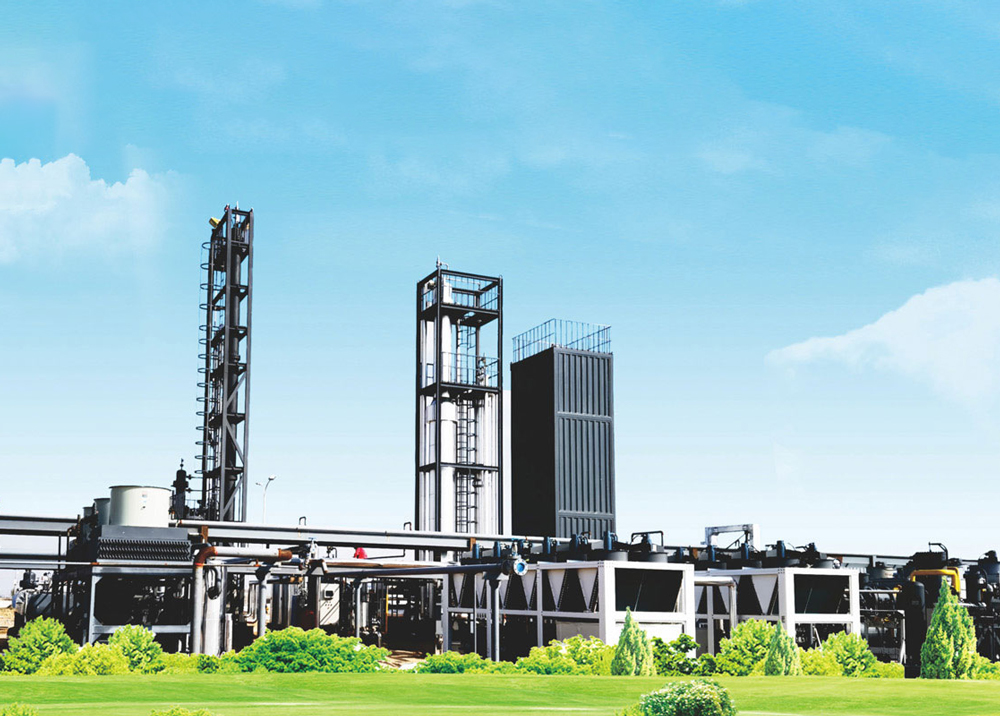
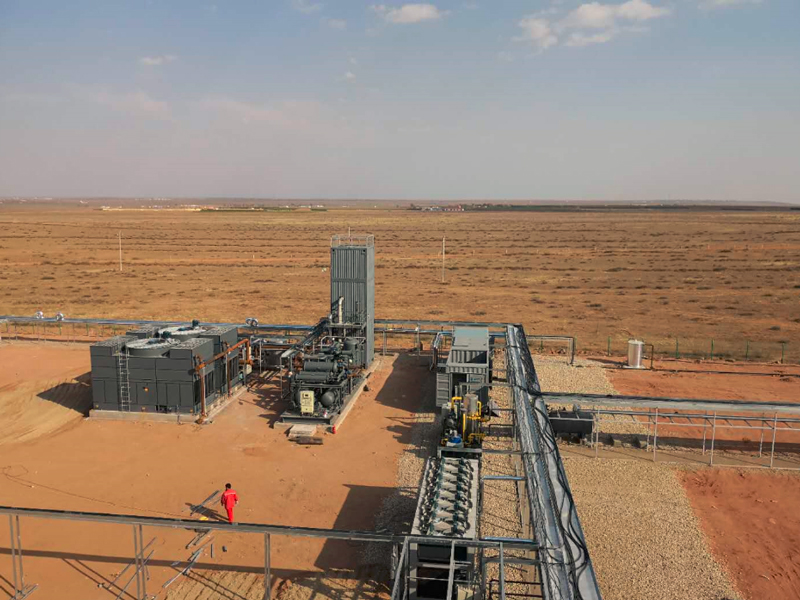
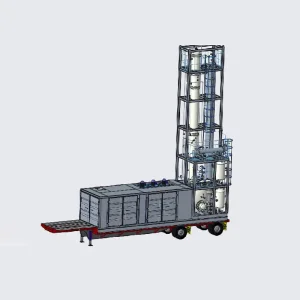
Our skid-mounted LNG equipment is deployed in remote gas fields throughout China, capturing scattered associated gas and coalbed methane. The systems tolerate highly variable gas feeds and utilize mixed refrigerant (MRC) refrigeration cycles developed in collaboration with the Institute of Physics and Chemistry Technology, CAS.
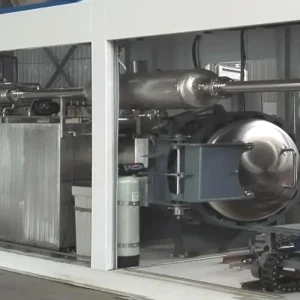
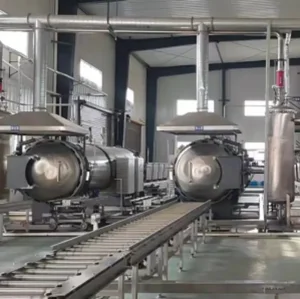
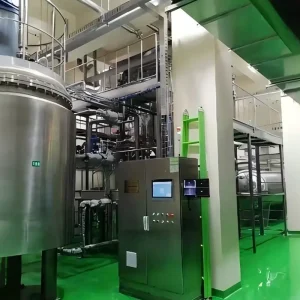
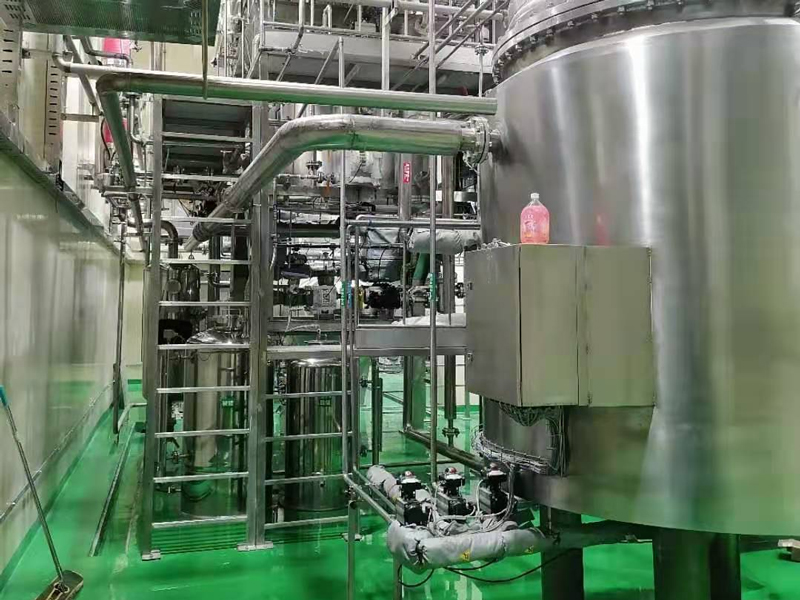
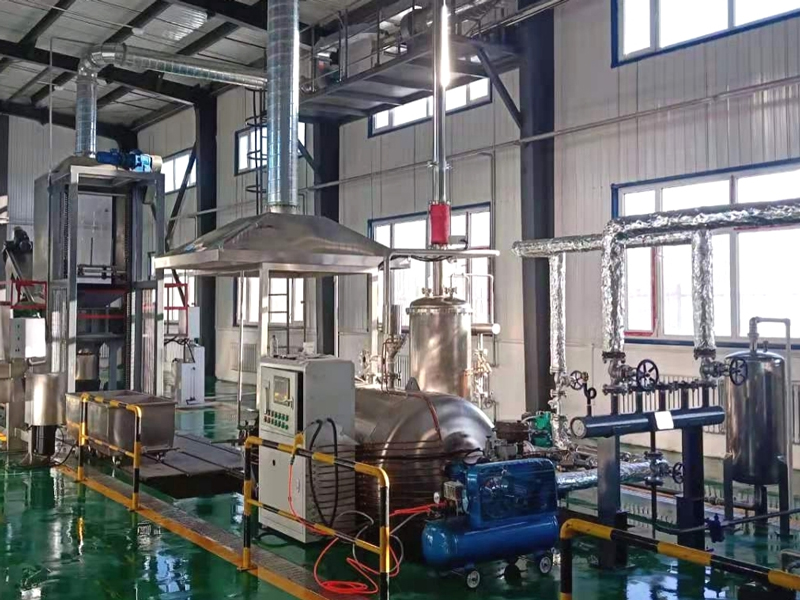
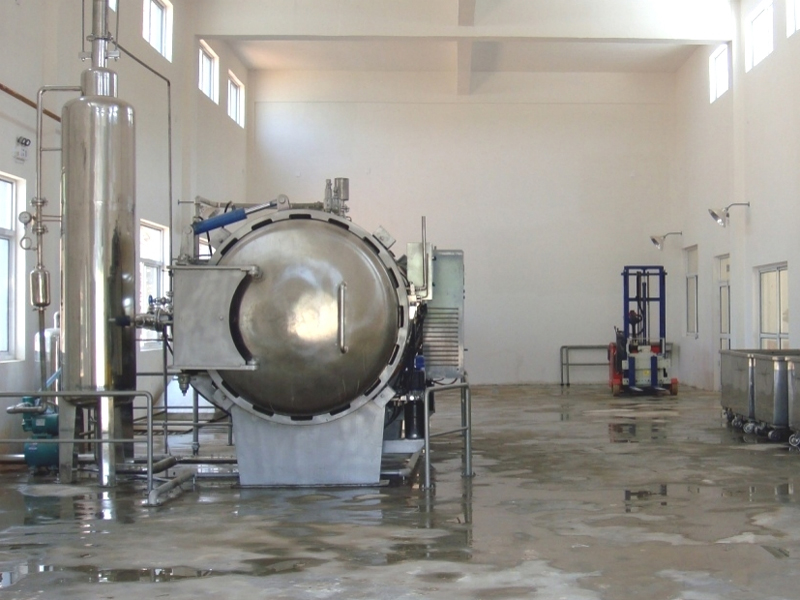
Both centralized and mobile high-temperature steam sterilization systems process biohazardous materials under demanding temperature and pressure profiles (typically 134°C, 0.22 MPa). The pressure vessels are designed for continuous thermal cycling without material fatigue.
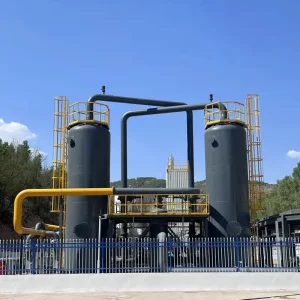
Deploying multi-stage purification technologies (including absorption, adsorption, and catalytic combustion), our pressure storage and reaction vessels handle volatile organic compounds safely in chemical refineries and manufacturing plants.
A technical whitepaper overview of modern energy recovery trends and low-temperature gas separation engineering.
Helium is a critical global commodity utilized in semiconductors, quantum computing, aerospace, and medical MRI equipment. During the storage of liquefied natural gas (LNG), a small percentage of the liquid continually vaporizes, generating Boil-Off Gas (BOG). Historically, BOG was simply burned or re-liquefied, letting trace helium go to waste. Modern ecological and financial trends demand helium recovery.
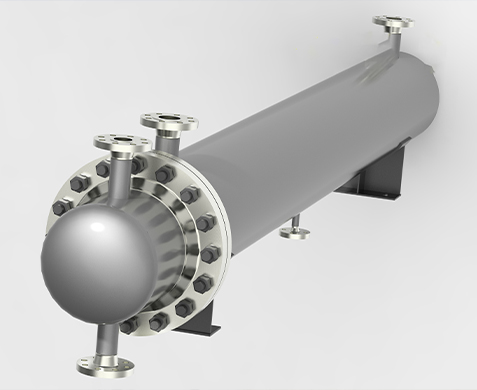
Our engineering team has achieved breakthroughs in cryogenic helium extraction from LNG Boil-Off Gas. Because helium has an extremely low boiling point (-268.9°C), extraction requires multi-stage low-temperature separation systems. By integrating high-vacuum insulated cryogenic pressure vessels with custom heat exchangers, we design systems capable of extracting crude helium from BOG streams, offering significant ROI for LNG import terminals and large-scale liquefaction plants.
As carbon neutrality goals become legally binding globally, Carbon Capture, Utilization, and Storage (CCUS) has shifted from pilot phases to heavy industrial deployment. Carbon dioxide storage vessels present unique thermodynamic challenges: they must operate under low temperature (-20°C to -40°C) and high pressure conditions while resisting liquid phase corrosion and carbon dioxide solidification (dry ice blockages).
Through finite element analysis (FEA) and optimized material selection, Hongke Qingneng designs heavy-duty CO2 storage vessels utilizing low-temperature alloy steels. Our vessels incorporate specialized safety relief systems and anti-dry-ice valve configurations, ensuring safe operation within continuous industrial carbon capture pipelines.
A visual look inside our fabrication workshops where advanced engineering designs are transformed into robust industrial equipment.
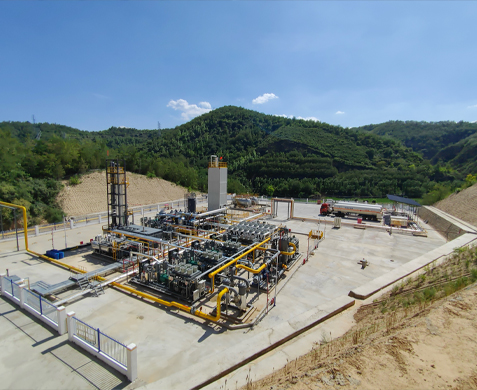
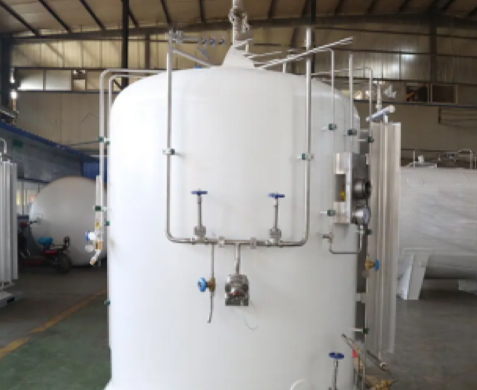
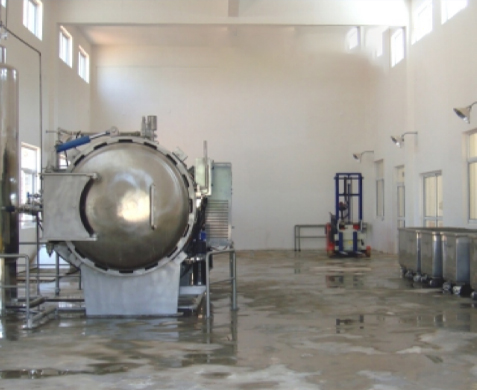
Hongke Qingneng operates across four specialized divisions to supply high-reliability industrial equipment.




In-depth answers concerning pressure vessel design codes, international certification, custom manufacturing, and lead times.
We natively support Chinese national standards (GB150 series). Additionally, for global projects, we offer conversion and complete design under the American Society of Mechanical Engineers (ASME Section VIII Div 1 & Div 2) and European Pressure Equipment Directive (PED 2014/68/EU) codes. We handle finite element calculations (FEA) and draft complete compliance packages for third-party auditing.
Every vessel undergoes rigorous non-destructive testing (NDT), including radiographic testing (RT) for butt-welded joints, ultrasonic testing (UT), magnetic particle testing (MT), and liquid penetrant testing (PT) depending on thickness and material class. Hydrostatic pressure testing (typically at 1.3 to 1.5 times the design pressure) is mandatory, along with pneumatic leak tests for gas vessels.
Our skid-mounted plants are designed with complete pre-wiring, piping, and automated process control systems (DCS/PLC) mounted directly on heavy steel structures. This approach limits onsite construction work to simple pipe connection and electrical plug-ins, cutting installation timelines by over 70% and ensuring components remain structurally sound during transport over challenging terrain.
For standard custom orders, the process includes 2 to 3 weeks of design approval, followed by 6 to 10 weeks of physical fabrication, testing, and surface treatments. The absolute lead time is subject to steel grade availability (special duplex steels may have longer lead times) and third-party inspection agent scheduling.
Yes. Hongke Qingneng provides complete installation supervision, dry run testing, and operator training packages. For projects outside of China, we provide video engineering support and dispatch field technicians or partner with local mechanical contractors to assist with local validation and initial commissioning.
Explore our purification columns, deacidification modules, and specialized medical waste treatment facilities.
 Hongke Qingneng