Centralized Medical Waste High Temperature Steam Treatment Equipment Manufacturer & Factory in the Portugal Market

Premium Clinical & Medical Waste Autoclaving Technology Engineered to Meet EU Standards, Underpinned by Scientific Excellence and Academic R&D

Industrial Blueprint

The Portuguese Medical Waste Landscape: Transitioning to Clean Thermal Technologies

Portugal’s healthcare sector is undergoing a massive shift towards ecological and circular practices in alignment with the EU Green Deal and Portugal’s *Roteiro para a Neutralidade Carbónica* (RNC 2050). The management of hazardous healthcare waste (particularly **Grupo III** infectious wastes) is strictly regulated by the Portuguese Environmental Agency (**APA - Agência Portuguesa do Ambiente**) and the Directorate-General for Health (**DGS - Direção-Geral da Saúde**).

Historically, a significant fraction of medical waste was destined for incineration. However, under the updated legislation (Decree-Law no. 102-D/2020), there is an aggressive push to minimize incineration emissions and promote sterilization methods that render the waste non-hazardous, allowing for subsequent shredding and landfill or fuel derivation. This is where **Centralized High-Temperature Steam Treatment (Autoclaving)** has emerged as the definitive BAT (Best Available Technique).

Key Portuguese Directive Compliance:

All municipal and private medical waste management operators in regions like Lisbon, Porto, Coimbra, and Algarve must utilize systems that guarantee a microbiological inactivation level of at least 6Log10 reduction in Geobacillus stearothermophilus spores. Our pressure vessels are designed to exceed these requirements safely and continuously.
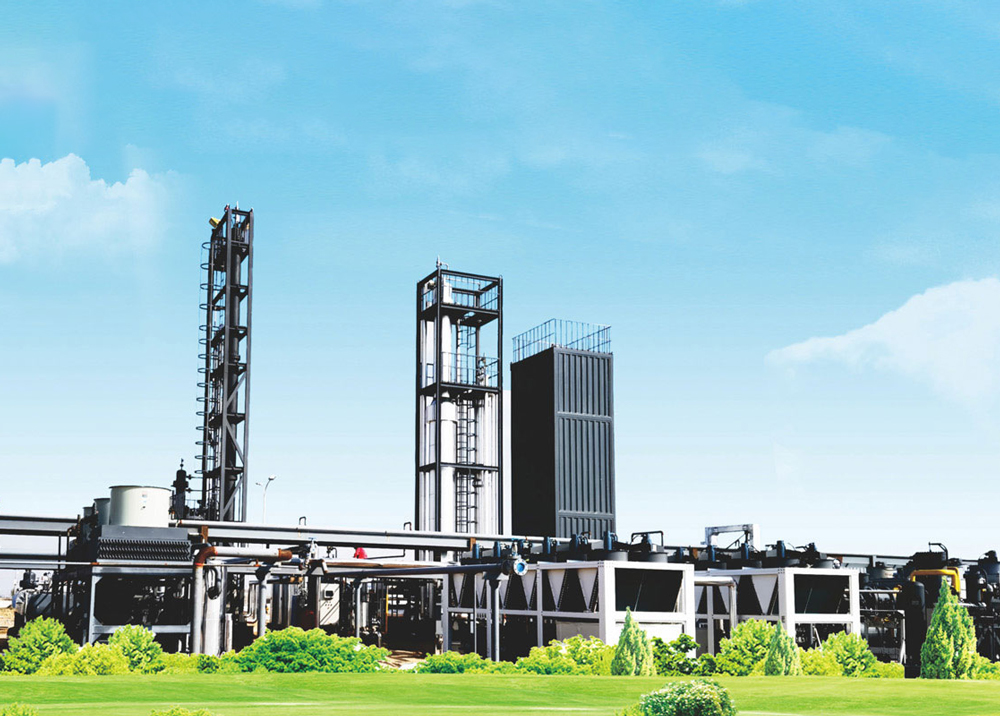
Advanced Pressure Vessel Production Line
6 Log₁₀
Microbiological Inactivation
134°C+
Operational Steam Heat
A2 Class
Pressure Vessel Certification
Zero
Hazardous Air Pollutants

Academic Research Pedigree & Engineering Mastery

Backed by elite scientists and cryogenic/thermodynamic PhDs from China’s leading academies.

R&D Leadership

Hebei Hongke Qingneng Environmental Protection Equipment Co., Ltd.

Established in June 2021 with a registered capital of 78 million Yuan, our company operates from a high-tech R&D and manufacturing hub in Sanhe Economic Development Zone, Langfang City. We are not just equipment fabricators; we are process engineers working at the cutting edge of industrial pressure dynamics and environmental remediation.

Our core engineering team comprises top-tier talent from **Tsinghua University** and the **Institute of Physics and Chemistry Technology, Chinese Academy of Sciences (CAS)**. This deep connection to academic institutions enables us to integrate advanced multi-phase heat transfer dynamics into our steam chambers, ensuring rapid heat penetration and unmatched energy conservation compared to traditional designs.

We hold an **A2-level pressure vessel manufacturing license**, pressure pipeline component manufacturing licenses, and are fully certified under **GB/T19001-2016 / ISO9001 quality systems**, as well as **Sinopec HSSE** and **CNPC Health, Safety, and Environment Management System** standards.

Scientific Advisory Leadership

  • Dr. Sun Zhaohu (Founder & Chairman): PhD from the Institute of Physics and Chemistry Technology (CAS). Recipient of the Special Prize of Technological Invention (Chinese Society of Refrigeration) and Beijing Science and Technology Award.
  • Zou Xin (General Manager): PhD Candidate and Senior Engineer (CAS). Published 24 academic papers (11 SCI/EI indexations), holds 5 national invention patents. Expert in thermal systems and environmental controls.
  • Dr. Cheng Kuwei (Chief Engineer): Doctor of Engineering (CAS). Pioneer in thermodynamic mixed working media phase change heat transfer characteristics.

Technological Architecture & Sterilization Mechanics

How our centralized medical waste autoclaves ensure complete biological destruction with optimized energy consumption.

Saturated Steam Penetration & Pulsating Vacuum Cycle

Our centralized equipment relies on high-temperature saturated steam as the sterilizing agent. Saturated steam carries immense latent heat, which is rapidly released upon contact with cooler waste items, causing irreversible denaturation of microbial proteins and structural cellular collapse.

Key Phases of the Treatment Cycle:

  1. Fractionated Pre-Vacuum: The chamber undergoes multiple pulses of vacuum extraction down to -0.09 MPa. This removes cold air pockets trapped within dense hospital waste loads (such as packaged PPE, plastic tubing, and biological samples), ensuring unimpeded steam penetration.
  2. High-Temperature Sterilization: Saturated steam is injected until the chamber reaches operational temperatures (typically 134°C - 138°C) at pressures of 0.22 - 0.25 MPa. This state is held for 45 minutes to guarantee absolute destruction of all pathogens.
  3. Post-Sterilization Vacuum & Drying: The steam is rapidly evacuated, and a final vacuum cycle is applied to flash-evaporate residual moisture. This leaves the treated waste dry and ready for safe compaction, volume reduction, and shredding.
  4. Off-Gas & Condensate Remediation: Standard vacuum exhaust is routed through high-efficiency particulate air (HEPA) filters and thermal oxidation or chemical sanitization systems, preventing any release of live pathogens into the environment.
Supply Chain Advantage

China Factory Synergies: Robust Logistics, European Approvals & Cost Efficiency

Partnering with Hebei Hongke Qingneng provides Portuguese waste concessionaires and private hospital networks with a distinct competitive advantage. Our state-of-the-art Chinese manufacturing facilities leverage an integrated industrial cluster in the Beijing-Tianjin-Hebei area, ensuring reliable access to high-grade raw materials (including thick-gauge pressure vessel steel plates) and advanced ancillary components.

  • Unmatched Capital Efficiency: By combining academic process optimization with China’s highly integrated manufacturing ecosystem, we deliver EU-certified systems at a fraction of the cost of local European OEMs.
  • Skid-Mounted Modular Assembly: Most of our systems are engineered as prefabricated skid-mounted packages. They are pre-plumbed, pre-wired, and hot-tested in our factory before export, cutting on-site installation and commissioning times in Portugal by up to 60%.
  • Resilient Global Delivery: Strong logistical partnerships out of major ports like Tianjin ensure predictable maritime shipping timelines to Lisbon, Leixões, and Sines.

Quality Control Standards

Every centralized autoclave we ship to the Portuguese market conforms strictly to:

  • PED 2014/68/EU (European Pressure Equipment Directive) compliance.
  • Structural analysis of vessel walls to withstand high fatigue life under continuous pulsating vacuum stress.
  • Integration of premium, globally serviceable control components (such as Siemens PLC units and WIKA pressure sensors) to ensure localized spare parts availability in Portugal.

International Project Cases & Practical Applications

Proven industrial deployments demonstrating safety, high processing volumes, and regulatory compliance.
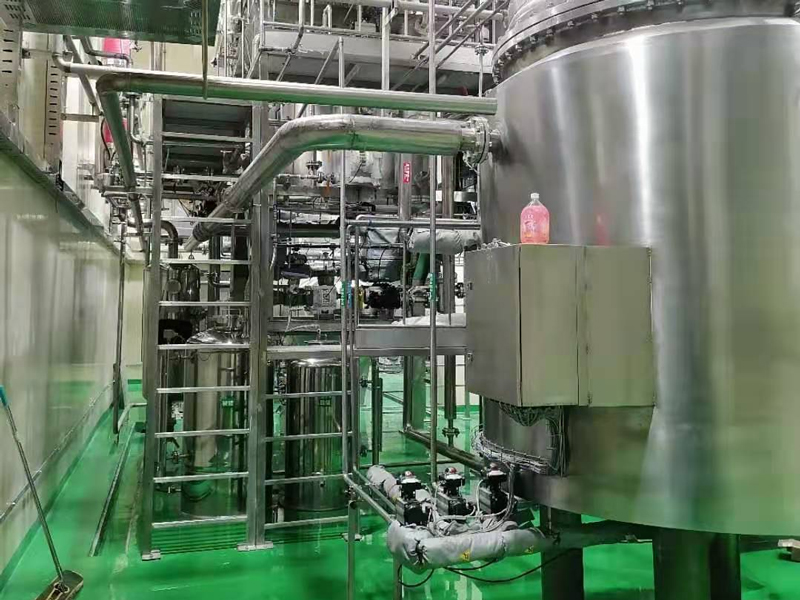
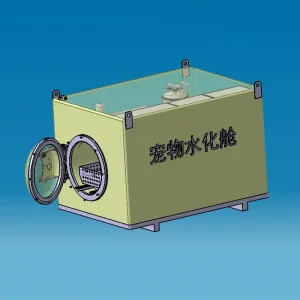
Laboratory Animal Residue Treatment Project

Laboratory Animal Residue Biosafety Station

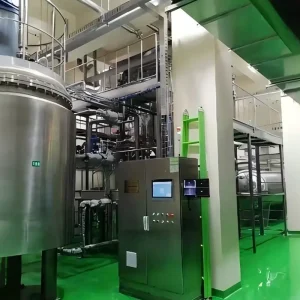
High-temperature pathogen destruction containment system deployed in scientific research environments requiring level-3 biosafety clearances.
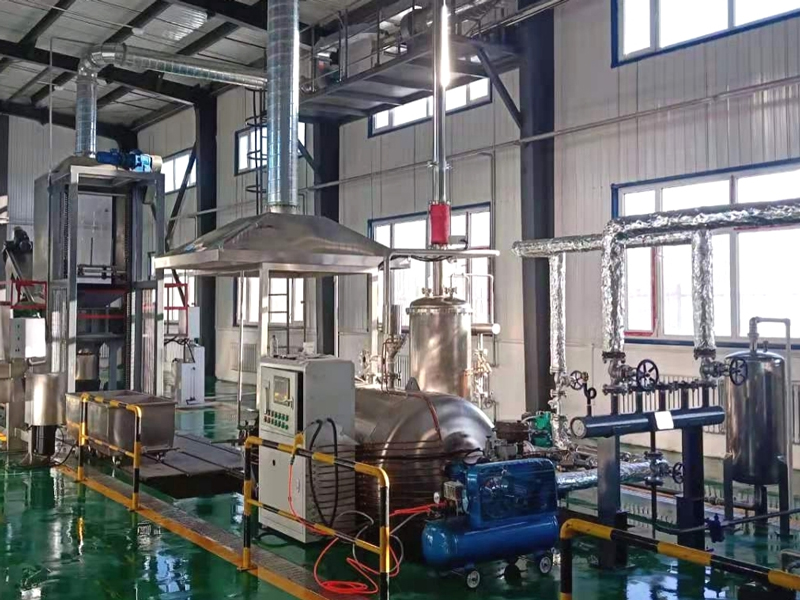
Mobile Medical Waste Treatment Project

Mobile Containerized Steam Sterilization Units

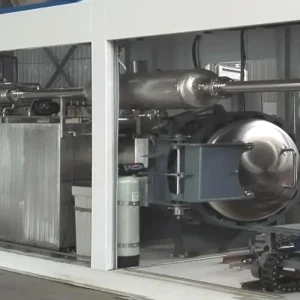
Rapid deployment container autoclaves designed for remote regions or emergency response during biological outbreaks.
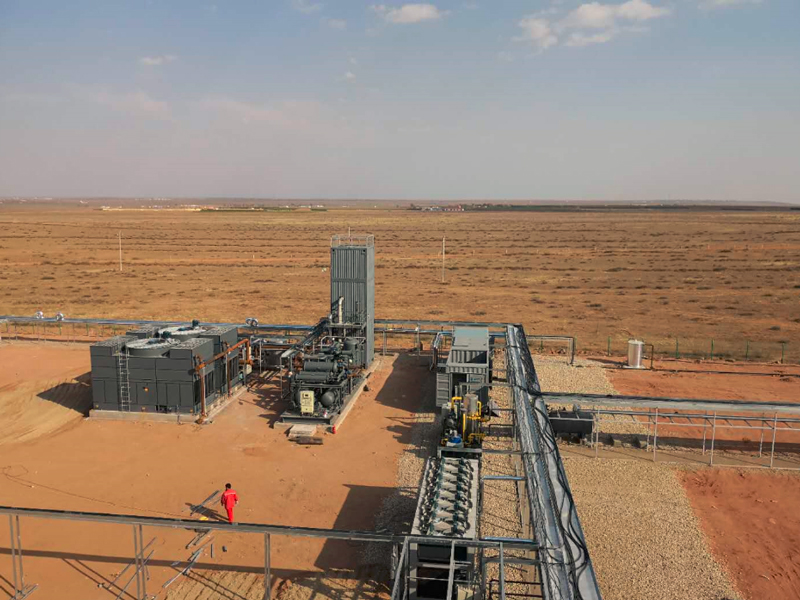
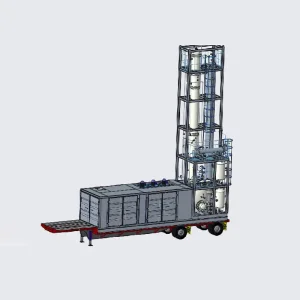
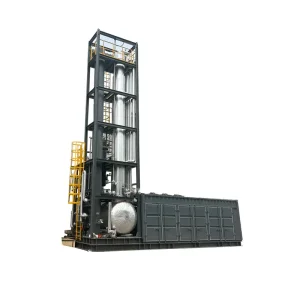
Industrial Gas Liquefaction Project

Industrial Gas Skids & Purification Projects

Advanced cryogenic engineering installations showcasing our capability to design and fabricate complex pressure systems.
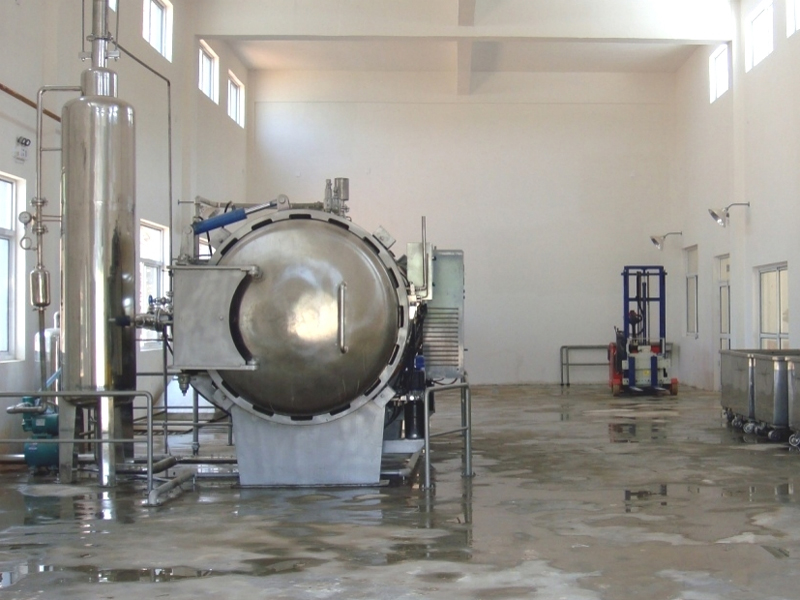
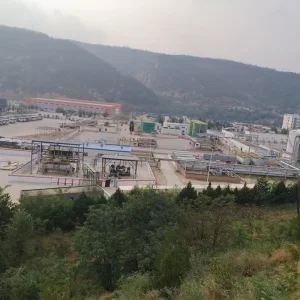
Centralized Medical Waste Treatment Project

Centralized Medical Waste Processing Centers

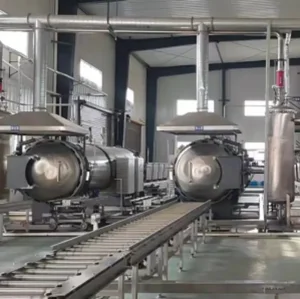
High-capacity automated autoclave plants processing dozens of tons of clinical and hospital waste daily.

Navigating Portuguese Environmental Regulations

Full compliance assurance from structural certification to regional environmental auditing.

On-Site Safety and Operation Protocol in Portugal

In accordance with DGS regulations on Hospital Waste Management, operators must maintain strict records of cycle times, temperatures, pressures, and periodic biological indicators. Our systems are equipped with automated PLC data logging systems that export cycle validation files directly to regional environmental inspectorates.

Furthermore, because medical waste autoclaving produces potentially contaminated steam condensate, our equipment includes built-in biological liquid sterilizers that treat the wastewater before discharge into the municipal sewer systems of Portuguese cities.

Post-Sales & Local Operational Support

We provide localized technical guidance, structural calculation documentation, and start-up engineering support in Portugal. Our customized control interfaces can be localized in Portuguese to allow seamless integration into local facility SCADA networks, simplifying operation for municipal and plant operators.

Frequently Asked Questions (FAQ)

Technical and regulatory answers regarding our medical waste high-temperature steam systems.

What classifications of medical waste can be processed by your high-temperature steam treatment equipment? +
Our autoclave systems are primarily designed to sterilize infectious wastes, which fall under Grupo III in the Portuguese classification system (including surgical waste, PPE, plastic laboratory items, culture plates, and contaminated dressings). Additionally, it can handle non-pathological organic laboratory residues. However, cytotoxic/chemotherapeutic wastes (Grupo IV) and chemical residues are not suitable for steam sterilization and must be routed for high-temperature incineration.
How does the system ensure compliance with the European Pressure Equipment Directive (PED 2014/68/EU)? +
As a company holding an A2-level pressure vessel manufacturing license, our products are engineered and calculated using international codes such as ASME Section VIII Division 1 or EN 13445. We partner with international notified bodies to execute material trace inspections, welding certifications, and hydrostatic pressure testing, ensuring that a full CE certificate is supplied for smooth import and commissioning in Portugal.
Why is the fractionated pulsating vacuum phase critical for medical waste sterilization? +
Medical waste is highly heterogeneous and contains high air volumes trapped in bags and containers. Standard gravity autoclaves cannot purge this air effectively. Air acts as a thermal insulator, preventing steam from contacting and sterilizing the deepest parts of the waste. Our pulsating vacuum system draws air out through multiple vacuum pulses, ensuring that saturated steam makes direct contact with every surface, achieving complete pathogen destruction.
What is the average life cycle and maintenance profile of the chamber? +
Our chambers are constructed using high-quality stainless steel (SS304 or SS316L) to prevent chemical corrosion from chlorine-containing plastics in the waste. With proper boiler feed-water conditioning and adherence to gasket maintenance, our pressure vessels are designed for a 15-to-20-year service life under continuous industrial operation.
How is odor and secondary emission pollution mitigated during processing? +
We utilize a dual-stage emission control system. First, the exhaust gases removed during the pre-vacuum phases are routed through high-grade carbon adsorption beds and absolute biological filters. Second, steam condensate is collected and held in a thermal treatment buffer tank where it is sterilized before being drained, preventing any olfactory or microbiological leakage.