The Mumbai Metropolitan Region (MMR) represents one of the highest densities of healthcare delivery systems globally. Housing major multi-specialty hubs like KEM Hospital, Tata Memorial, and Kokilaben Dhirubhai Ambani Hospital, Mumbai generates upwards of 60 metric tons of biomedical waste daily. Managing this massive footprint requires robust, reliable, and space-efficient technologies.
Historically, incineration was the default choice. However, Mumbai's unique coastal meteorology, high air pollution baseline, and strict urban land constraints have forced regulatory bodies like the Maharashtra Pollution Control Board (MPCB) to transition rapidly toward non-burn disinfection. High-temperature steam autoclaving is now recognized as the gold standard for treating Category Red and Yellow (non-anatomical) biomedical waste.
Our specialized engineering is tailormade to fit the operational demands of Mumbai's Common Bio-Medical Waste Treatment Facilities (CBWTFs) in industrial belts like Taloja, Rabale, and Mahape, offering maximum volume reduction and complete biological destruction without releasing hazardous dioxins or furans.
At the core of Hebei Hongke Qingneng's high-temperature steam sterilization system is a deep understanding of thermal physics, phase change kinetics, and pressure vessel integrity.
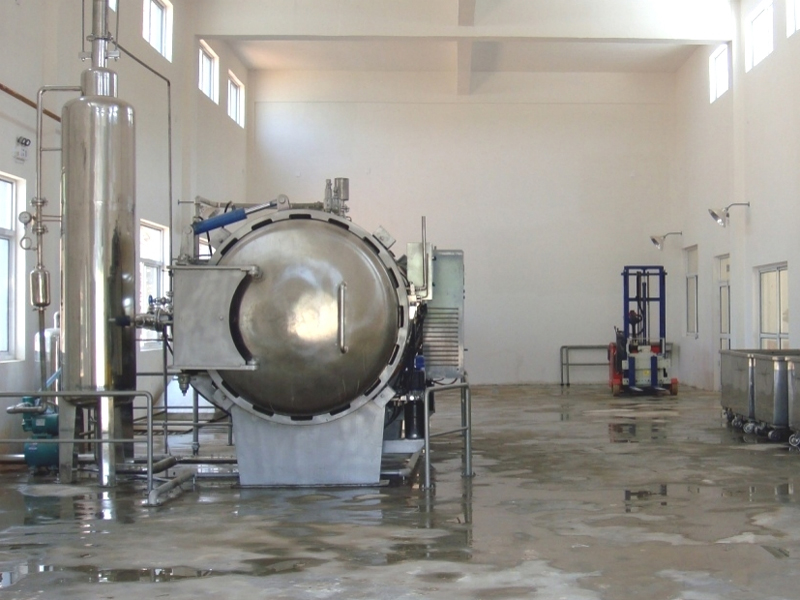
Unlike dry air systems, our autoclaves utilize high-pressure saturated steam. The latent heat of steam condensation transfer energy directly into pathogens, initiating cell wall rupture and protein coagulation at 134°C.
We implement multiple pre-vacuum cycles to eliminate air pockets within dense waste configurations. This achieves complete steam penetration into hollow tubes, dense plastics, and contaminated PPE materials.
Fitted with certified high-temperature HEPA filters, the system filters all off-gas emissions prior to vessel decompression. This absolute barrier mitigates viral and bacterial aerosol leaks in dense urban hubs.
| Technical Parameter | Operational Value | Compliance Reference / Standard |
|---|---|---|
| Operating Temperature | 134°C - 138°C (Custom configurations up to 150°C) | CPCB Guidelines / WHO Standards |
| Operating Pressure | 0.22 MPa - 0.35 MPa (Safety factor rating: 2.0) | ASME Sec VIII / A2 Pressure Vessel License |
| Sterilization Log Reduction | > 99.9999% (Log 6 reduction of Bacillus stearothermophilus spores) | EPA / MPCB Efficacy Verification |
| Pre-Vacuum Phase | 3 Pulses (Achieving -0.09 MPa absolute pressure) | DIN 58951 for Bio-hazardous treatment |
| Vessel Structural Material | Stainless Steel AISI 316L / 304 with Anti-Corrosion Treatment | High acid resistance against PVC compounds |
| Control Automation | Siemens S7-1200 PLC / SCADA interface for data logging | Audit trails for environmental authorities |
Hebei Hongke Qingneng Environmental Protection Equipment Co., Ltd. was established in June 2021, with a registered capital of 78 million yuan. We focus on the R&D and manufacturing of energy conservation and environmental protection industry in the industrial base of Sanhe Economic Development Zone, Langfang City. Our design strength stems from an elite engineering brain trust, led by PhDs and senior engineers from the Institute of Physics and Chemistry Technology, Chinese Academy of Sciences (CAS) and Tsinghua University.
The translation of advanced cryogenic, pressure-vessel, and thermal transfer physics into solid commercial-scale environmental machinery is overseen by our core management team:
Hongke Qingneng holds premier industrial manufacturing licenses which confirm our adherence to stringent global safety frameworks:
Our industrial pressure systems undergo thorough finite element analysis (FEA) to withstand rapid heating-cooling cycles daily for up to 20 years.
Built for continuous, heavy-duty processing of biomedical waste collected from hundreds of clinical sites. Our large-scale steam autoclaves (10 to 50 tons per day capacity) integrate with high-torque medical shredders and post-treatment compaction units to minimize volume before landfilling.
Ideal for prominent medical institutions and research zones in South Mumbai and Western Suburbs. Compact, highly insulated systems neutralize infectious bio-waste in-situ, removing transportation liability, complying with local bio-safety level (BSL-3/BSL-4) containment standards.
Designed for immediate emergency dispatch, remote research hubs, and decentralized towns surrounding Mumbai (Thane, Navi Mumbai, Raigad). These self-powered, skid-mounted steam units process infectious waste instantly without permanent infrastructure.
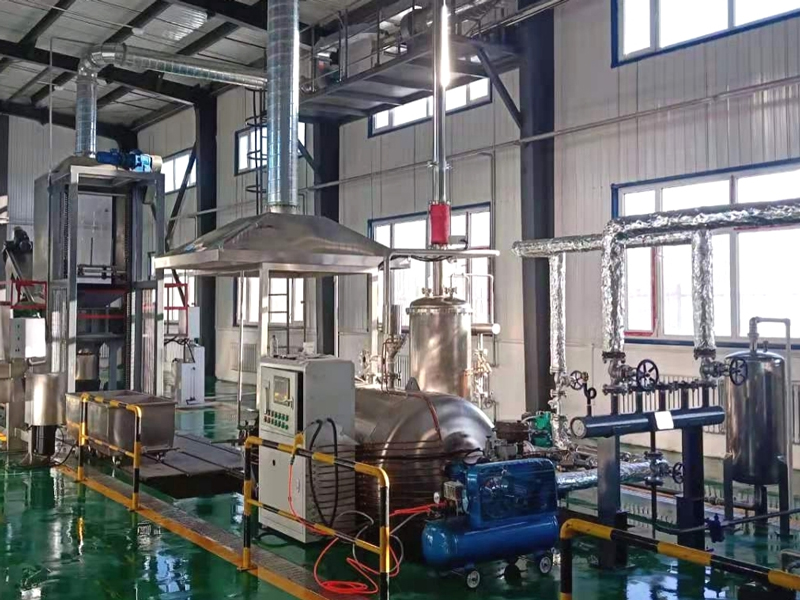
Globally, the UNEP (United Nations Environment Programme) and the World Health Organization promote autoclaving as the preferred non-burn technology over medical waste incineration. The core drivers are clear:
As India aligns its national climate commitments (Panchamrit targets) with local city-level clean air action plans, Mumbai municipal authorities are imposing steeper financial penalties on traditional combustion methods. Choosing Hongke Qingneng autoclaves positions your operation as a clean-tech enterprise eligible for green energy incentives and simplified municipal permit approvals.
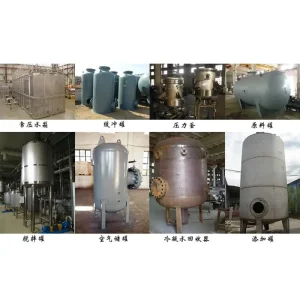
Beyond biomedical autoclaving, our factory designs, engineers, and fabricates custom process machinery for energy, environmental, and thermal plants worldwide:
Explore our complete range of certified environmental and pressure systems. All products are fully customizable for Mumbai industrial projects.
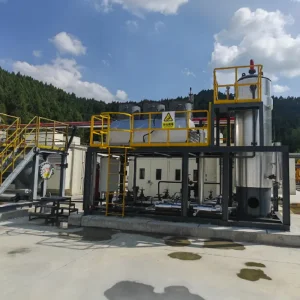
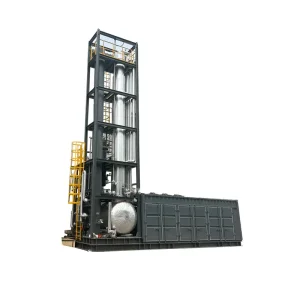
As megacities transition to smart, digital ecosystems, Hebei Hongke Qingneng is updating its waste sterilization technologies to integrate next-generation controls:
To achieve higher processing efficiency, our upcoming models integrate an internal shredder that acts within a sealed, negative-pressure vacuum prior to steam injection. This reduces risk to facility operators by ensuring waste is fully sterilized before human or mechanical sorting occurs.
To streamline environmental audits, our systems support secure cloud data-logging. Key parameters (sterilization temperature curves, vacuum levels, exposure times) are logged and stored in tamper-proof databases, providing MPCB inspectors with clean compliance data.
Deploying heavy industrial autoclaves in India requires deep compliance with localized pressure-vessel acts and bio-safety codes. Hongke Qingneng ensures all exported machinery meets standard operating safety margins:
Through dedicated engineering partnerships, we provide expert assistance from site survey to final commissioning:
Incineration releases hazardous air pollutants like dioxins and furans, which are strictly regulated by the MPCB in congested urban centers like Mumbai. Autoclaving uses clean, high-temperature saturated steam to sterilize waste without combustion, producing zero hazardous atmospheric emissions and permitting the recovery and recycling of plastics.
Yes. Our systems are engineered to achieve temperature profiles above 134°C with multiple vacuum pulses, exceeding the biological efficacy guidelines (Log 6 disinfection rate) outlined in the Indian Bio-Medical Waste Management Rules.
Every vessel is built to A2 pressure specifications with dual safety relief valves, electronic/mechanical safety door interlocks that prevent door opening under pressure, and automated backup control circuits to prevent overheating.
Our systems feature sub-coolers and heavy-duty carbon filter columns that scrub the autoclave discharge, cooling condensable steam and removing volatile organic compounds (VOCs) to guarantee odor-free operations, which is vital in dense city limits.
Partner with CAS thermodynamic experts to design your next centralized autoclave installation. Contact our global technical sales office to request custom drawings, capacity analyses, and compliance paperwork.
 Hongke Qingneng