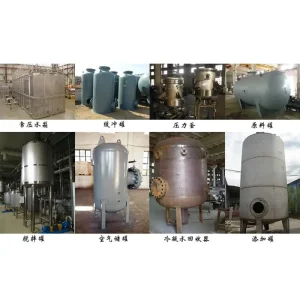
The management of hazardous clinical wastes (known as Residuos Sanitarios de Grupo III and Grupo IV in Spain) has reached a critical bottleneck. Rising transportation costs, coupled with strict carbon reduction mandates under the Spanish Circular Economy Strategy (España Circular 2030), have shifted the logistical focus from centralized incinerators to decentralized, on-site, and mobile high-temperature steam sterilization systems.
By treating hazardous medical waste right at the source, healthcare providers in regions ranging from Andalusia to the Canary Islands eliminate the risks associated with hazardous road transport. Saturated steam sterilization at 134°C, combined with integrated heavy-duty shredding, reduces waste volume by up to 80% while transforming infectious biohazards into municipal waste ready for standard recycling stream pathways.
Engineered to comply with UNE-EN 285 standards, featuring automated control configurations and heavy-duty built-in autoclaves.
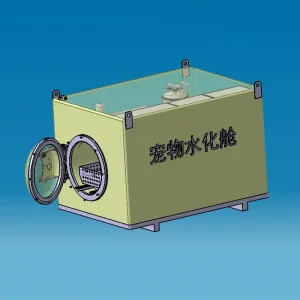
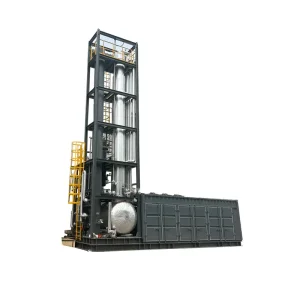
Addressing geographic bottlenecks and strict environmental zoning laws in Spain’s autonomous regions.
For Spanish autonomous islands like the Canary Islands (Tenerife, Gran Canaria) and the Balearic Islands (Mallorca, Ibiza), transporting hazardous waste to the mainland is costly and environmentally risky. Local mobile sterilization units process waste directly within island borders.
Our pressure chambers and autoclaves adhere to the strict technical directives of Ley 7/2022 de residuos y suelos contaminados, ensuring pathogen log reduction tests reach log-6 (99.9999% microbial clearance) using advanced steam technology.
Mobile, skid-mounted units easily move between smaller hospitals in regional Spain (such as Castile and León or Aragon). This system minimizes operational overhead by allowing a single mobile processing unit to service several regional clinics.
Established in June 2021 with a registered capital of 78 million yuan, Hongke Qingneng has become a global leader in high-performance environmental engineering. Working alongside academic experts from Tsinghua University and the Institute of Physics and Chemistry Technology, Chinese Academy of Sciences (CAS), our company holds numerous patents and an A2-class pressure vessel manufacturing license.
For European and Spanish buyers, this academic backing guarantees state-of-the-art thermal engineering, energy-efficient operations, and absolute reliability. Our team specializes in designing custom systems that integrate pressure vessels, gas purification modules, and VOC containment units into robust, ready-to-run configurations.
Pressure Vessel Safety Certification
Collaborative Technical Platform
Skid-Mounted & Containerized Units
Doctoral degree graduate from the Institute of Physics and Chemistry Technology, CAS. Recipient of the Special Prize of Technological Invention from the Chinese Society of Refrigeration and the Beijing Science and Technology Award.
PhD candidate and lead researcher for national aerospace and environmental initiatives. Author of 24 international papers, specializing in micro-scale thermal exchanges and high-pressure steam management.
High-performance custom systems matching Spanish and broader EU safety, environmental, and gas purification standards.
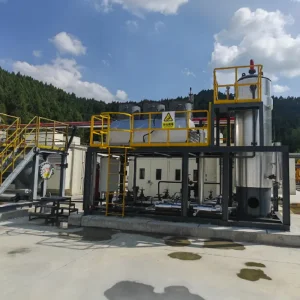
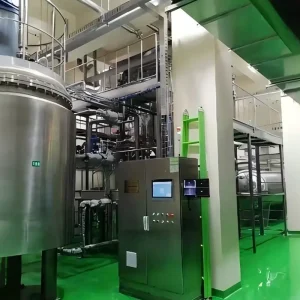
Evaluating environmental footprints, operational costs, and capital expenditures for Spanish health networks.
| Evaluation Parameter | High-Temperature Steam Autoclaving (Hongke) | Traditional Incineration | Alkaline Hydrolysis (Liquid Bio-Safety) |
|---|---|---|---|
| Disinfection Efficiency | Log-6 reduction (99.9999% destruction) | Total combustion to ash | Complete tissue dissolution |
| Carbon Emissions & Footprint | Minimal (indirect electricity/steam fuel source) | Extremely high (CO2, furans, heavy metals) | None (closed chemical process) |
| Built-in Shredder Integration | Yes (shredding before or after sterilization) | No (requires post-ash disposal handling) | No (liquid discharge, bone calcium residue) |
| Mobile Deployment | Excellent (skid-mounted on heavy trailers) | Impossible (requires fixed firebox brick stacks) | Moderate (skid configurations available) |
| Operating Permits in Spain | Standard pressure vessel & medical waste permit | Strict air emission permits, local zoning bans | Wastewater neutralization discharge permits |
Discover how our high-precision equipment operates in real-world environments.
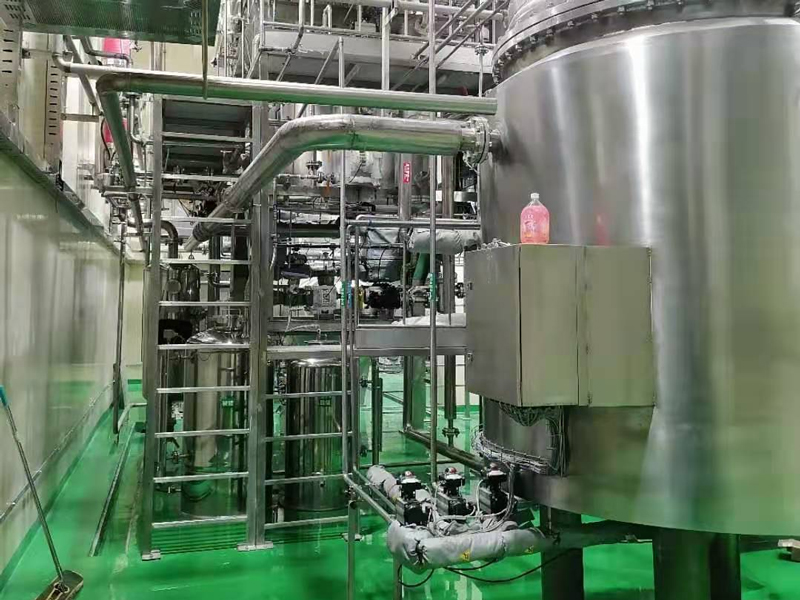
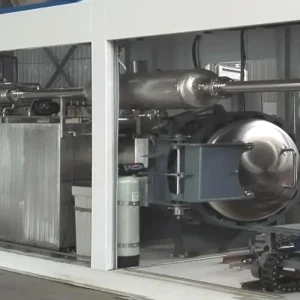
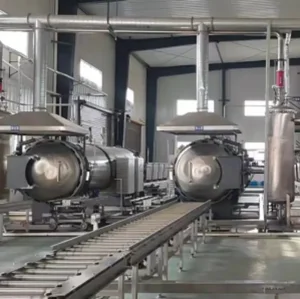
Designed for high-throughput laboratory quarantine sites, offering secure pressure containment and complete tissue destruction.
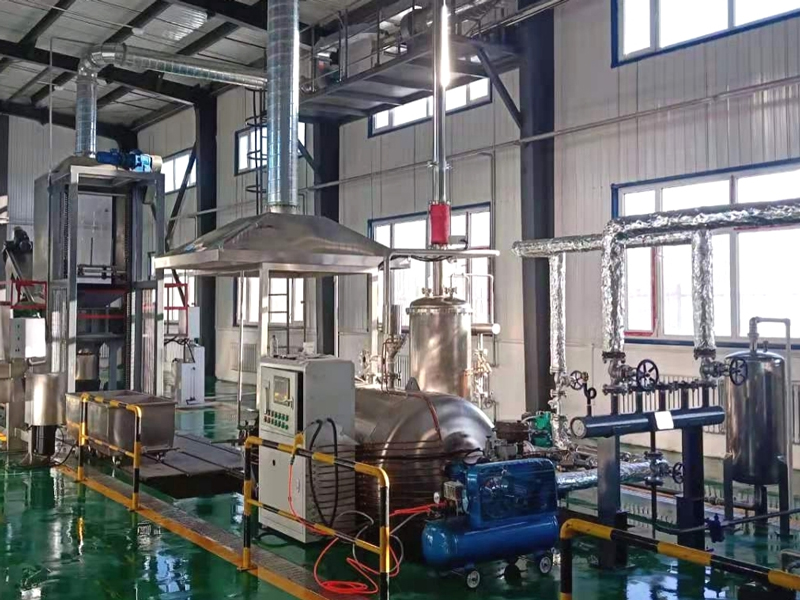
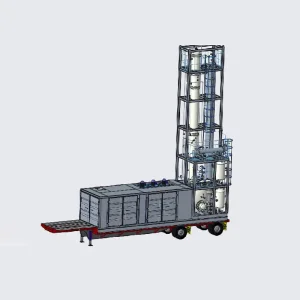
A fully self-contained medical waste disposal unit designed for rapid transport to regional treatment hubs.
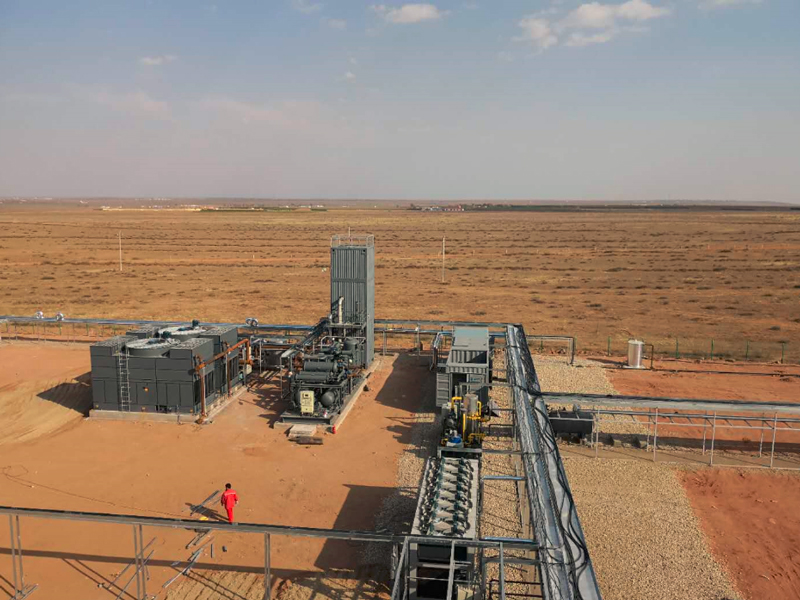
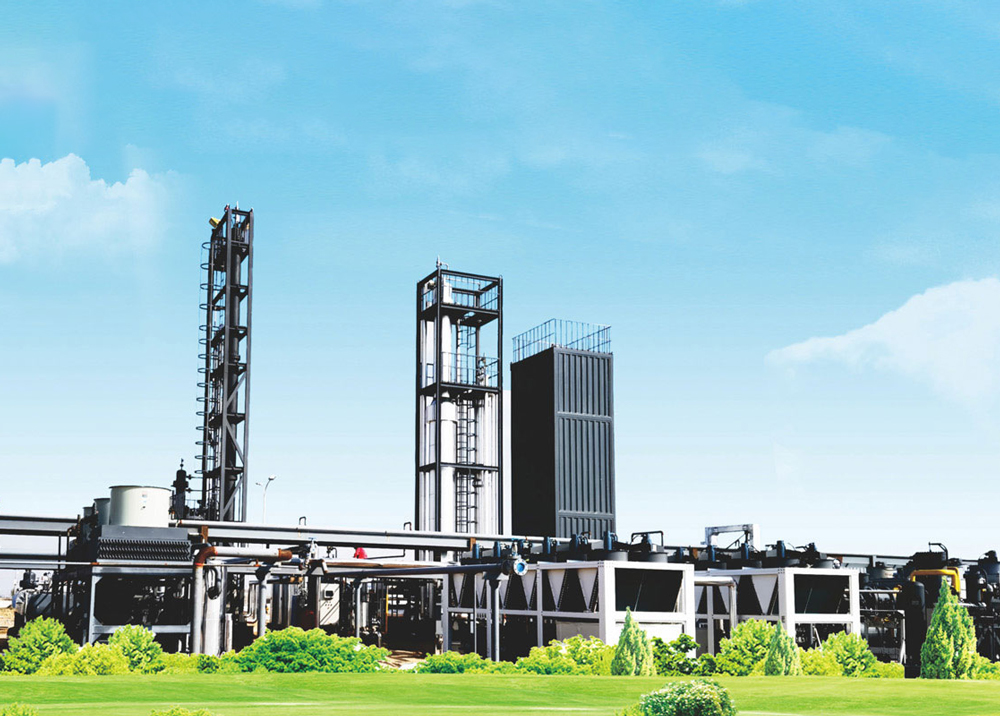
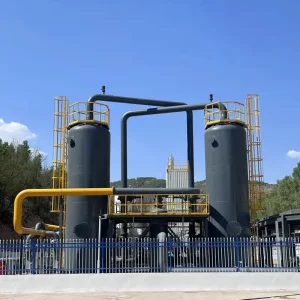
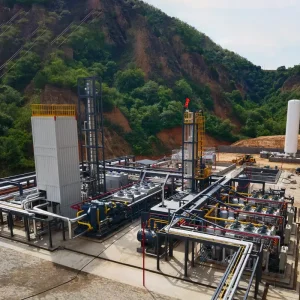
High-efficiency gas liquefaction system optimized for processing volatile organic compounds (VOCs) and biogas.
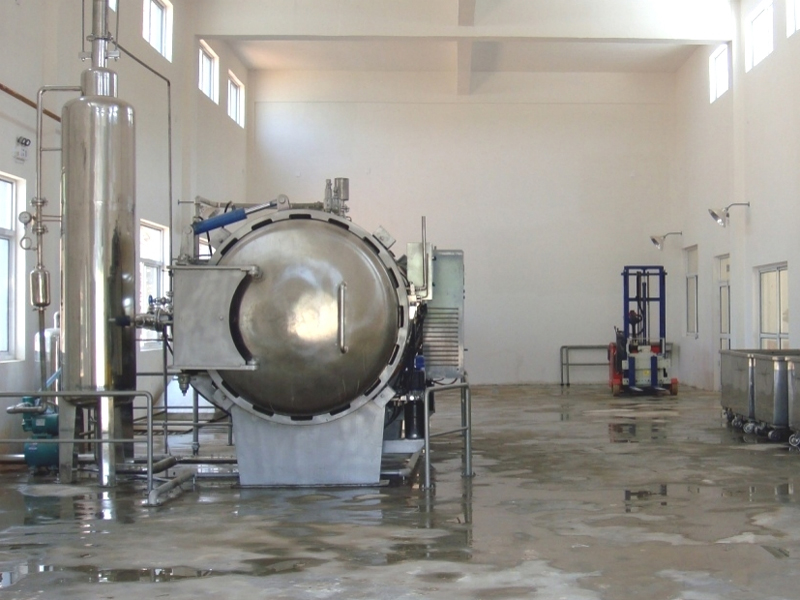
Large-scale medical waste autoclave processing facility handling regional hospital waste loads.
Our production site operates under strict ISO 9001 and pressure vessel construction regulations.
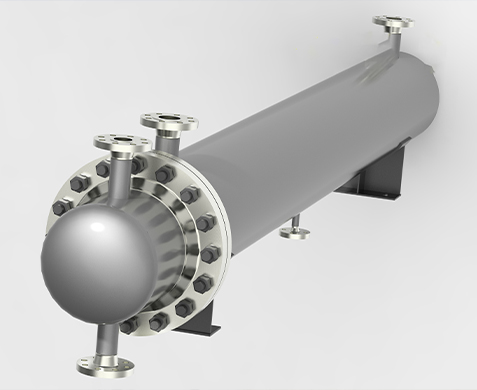
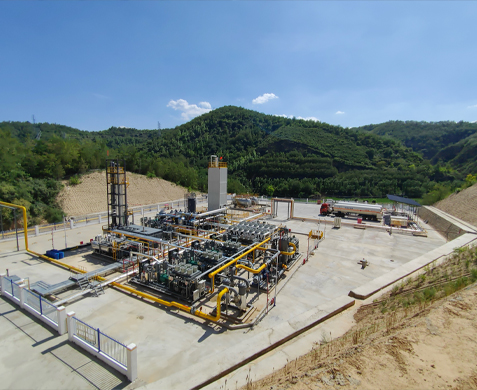
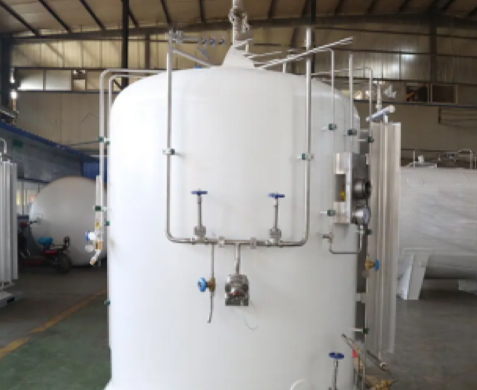
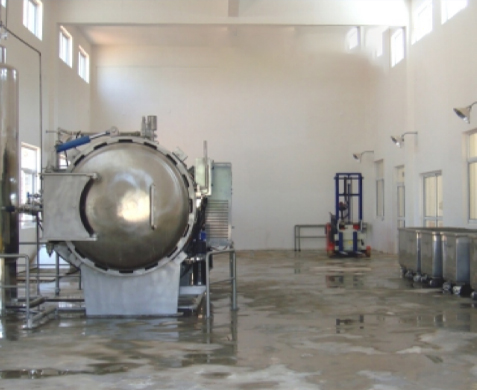
We assist Spanish logistics partners, municipalities, and private waste processors throughout the import process.
Our engineering team designs each system to match your local Spanish regional laws (such as *Reglamento de Residuos de Andalucía* or Catalonia’s ARC requirements) and sets the appropriate operating pressure profile.
Every chamber is manufactured in our A2-licensed facility. We handle non-destructive testing (NDT), hydraulic load testing, and provide all documentation needed for registration with the Spanish Ministry of Industry.
We deliver skid-mounted units directly to major Spanish ports (such as Valencia, Barcelona, or Algeciras). Our engineering team provides full supervision during setup, testing, and operator training.
Expert technical insights regarding mobile autoclave applications in Spain.
In Spain, medical waste management is overseen by each autonomous community (Comunidades Autónomas). Our units are designed to meet the strict technical standards of the Spanish Ministry of Industry and UNE-EN 285. We ensure that our high-temperature autoclaves achieve a minimum temperature of 134°C for at least 45 minutes, guaranteeing the log-6 microbial reduction required by regional environmental authorities for treating Group III waste.
Yes. Our processing lines are equipped with heavy-duty shredding units that crush needles, surgical instruments, plastics, and glass either before or after sterilization. This process changes the shape of the waste, making it unrecognizable as medical waste, while reducing its volume by up to 80% to lower landfill disposal costs.
Hongke holds an A2-class Pressure Vessel Design and Manufacturing license. For European and Spanish markets, we supply complete CE marking documentation under the Pressure Equipment Directive (PED 2014/68/EU), along with safety valve calibration reports and material certificate sheets.
Our autoclaves are built with premium materials like SUS304/SUS316L stainless steel, giving them an expected service life of over 15 years. Routine maintenance involves checking the shredding blades, inspecting seal rings, and verifying control valve calibration, all of which are managed via our integrated PLC control screen.
Safety is built into every step. All air displaced from the chamber before sterilization is passed through a high-efficiency particulate air (HEPA) filter to prevent microbial release. The steam condensate generated during treatment is held in a collection tank and sterilized at 134°C before discharge, ensuring it is completely pathogen-free and safe for municipal sewers.
Connect with our thermal engineering experts today to receive customized floor plans, system specifications, and pricing for your Spain project.
Send Inquiry Now Hongke Qingneng