Discover our highly integrated, factory-assembled truck-mounted and skid-mounted systems engineered for immediate deployment in Kuala Lumpur and regional industrial zones.
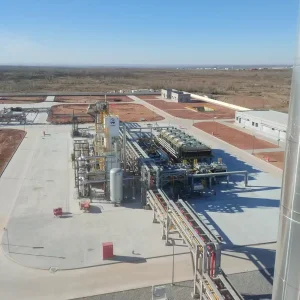
Malaysia is experiencing a pivotal transformation in its energy architecture. As the political, financial, and industrial center, Kuala Lumpur stands at the heart of ASEAN's natural gas hub. The country is pursuing aggressive decarbonization goals while managing the complex challenge of supplying natural gas to diverse geographical landscapes—from localized industrial centers in Selangor to remote installations in East Malaysia. Traditional pipeline infrastructure is both capital-intensive and geographically restricted, driving the market toward flexible gas distribution models.
This geographic reality has catalyzed the adoption of the "Virtual Pipeline System (VPS)", utilizing Truck-Mounted and Skid-Mounted Liquefied Natural Gas (LNG) plants. Small-scale liquefaction technology enables operators to liquefy gas directly at small-scale fields, coalbed methane (CBM) pockets, or associated gas wells. Once liquefied, the LNG is transported via cryogenic ISO tank containers and trucks to industrial zones that are isolated from the main Peninsular Gas Utilisation (PGU) pipeline network. For manufacturers and energy developers in Kuala Lumpur, this shift provides access to high-purity natural gas, bypassing traditional pipeline constraints.
Moreover, the liberalisation of Malaysia’s gas market under the Third-Party Access (TPA) framework has empowered independent industrial buyers to procure gas on their own terms. Truck-mounted LNG units have emerged as a core enabler for this decentralized procurement, providing the operational flexibility needed to handle fluctuating energy loads, peak shaving, and backup reserves for manufacturing giants in Klang Valley, Shah Alam, and Nilai.
For engineering directors and project planners, the choice of a liquefaction plant depends on thermodynamic efficiency, footprint minimization, and installation time. Our skid-mounted and vehicle-mounted LNG plants are designed using the Mixed Refrigerant Cycle (MRC) and Nitrogen Expansion refrigeration cycles, optimized in partnership with the prestigious Institute of Physics and Chemistry Technology, Chinese Academy of Sciences (CAS).
Raw feed gas contains impurities that freeze at cryogenic temperatures or corrode components. Our skid-mounted pre-treatment units manage this through three distinct stages:
Our cryogenic system features advanced plate-fin heat exchangers (PFHE) constructed from high-tensile aluminum alloys. Designed for high thermal efficiency, these units manage the multi-stream heat transfer required to cool natural gas to -162°C. The entire cold box is skid-mounted, perlite-insulated, and hermetically sealed, keeping thermal loss close to zero.
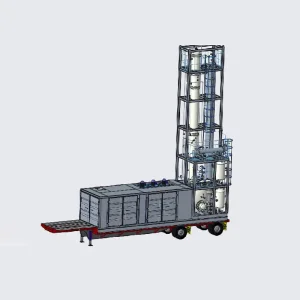
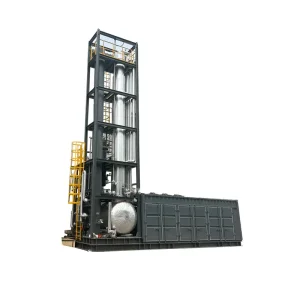
Traditional land-based LNG plants require years of onsite civil construction. Our skid-mounted approach changes this model: the entire plant is divided into distinct, road-transportable modules. Pre-piped, pre-wired, and pre-commissioned at our manufacturing facility, these units require minimal onsite assembly. For truck-mounted variations, the system is installed on heavy-duty, multi-axle trailers, allowing operators to move the plant between different wells as gas production rates change.
Established in June 2021 with a registered capital of 78 million yuan, Hebei Hongke Qingneng Environmental Protection Equipment Co., Ltd. is a modern high-tech enterprise focusing on the R&D and manufacturing of energy conservation, cryogenic technologies, and environmental protection equipment. Situated in the industrial base of Sanhe Economic Development Zone, Langfang City, our manufacturing plant spans advanced facilities specialized in high-performance pressure vessels and gas liquefaction skids.
Our core business covers the design and manufacturing of various class A2 pressure vessels, biological/medical waste treatment equipment, non-standard cryogenic heat exchangers, and skid-mounted natural gas purification and liquefaction plants. Leveraging partnerships with top Chinese research institutions, we provide complete, integrated energy engineering systems for global developers.
Our research and engineering strength is anchored by industry-renowned specialists with decades of experience in cryogenics, thermodynamics, and pressure equipment engineering.
Founder & Chairman, PhD
Doctorate from the Institute of Physics and Chemistry Technology, Chinese Academy of Sciences (CAS). National Senior Engineer. Recipient of the Special Prize of Technological Invention from the Chinese Society of Refrigeration (2015) and Beijing Science and Technology Award (2016). Over 20 patents and 50 successfully installed small skid-mounted liquefaction plants worldwide.
General Manager, PhD Candidate
Senior Engineer at CAS, lead manager of regional business. Presided over multiple "12th Five-Year Plan" national major projects. Published 24 academic papers (11 SCI/EI indexed), holds 5 patents. Won the Silver Medal at the 19th China International Industry Expo.
Chief Engineer, Doctor of Engineering
Doctorate from CAS. Developed the specialized specifications for skid-mounted natural gas liquefaction. Expert in phase change heat transfer and flow characteristics of mixed working mediums, bridging theoretical thermodynamic science with field applications.
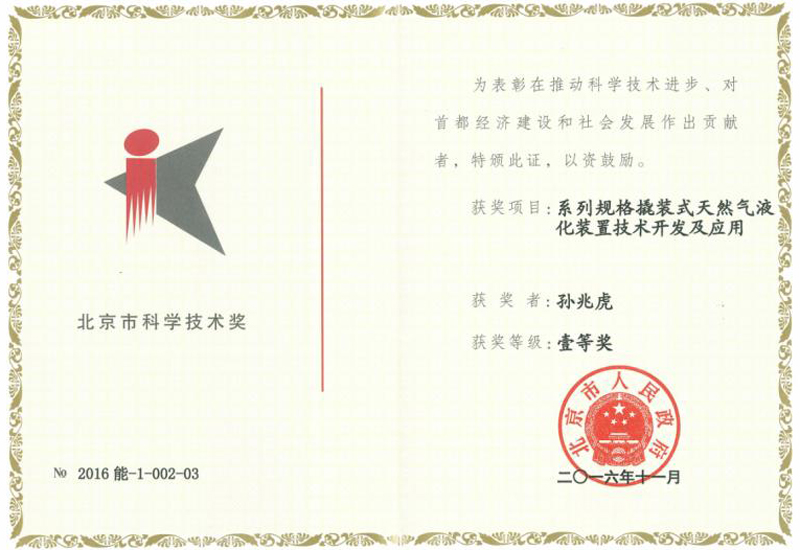
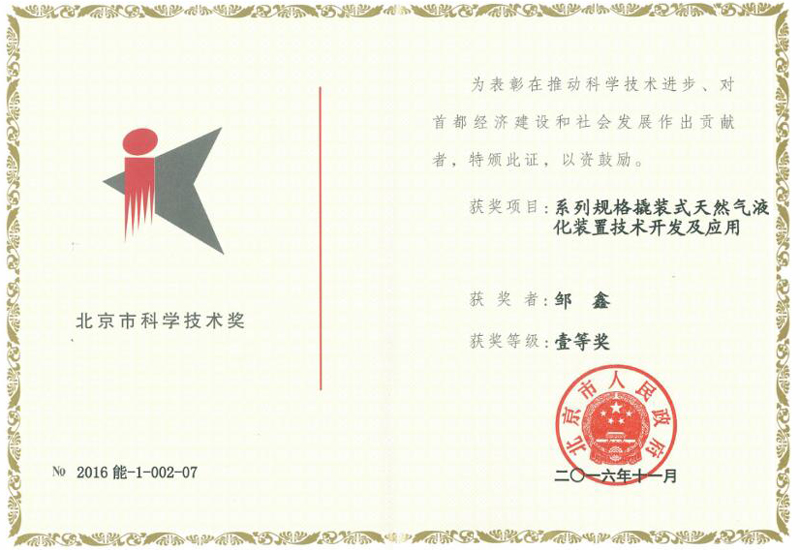
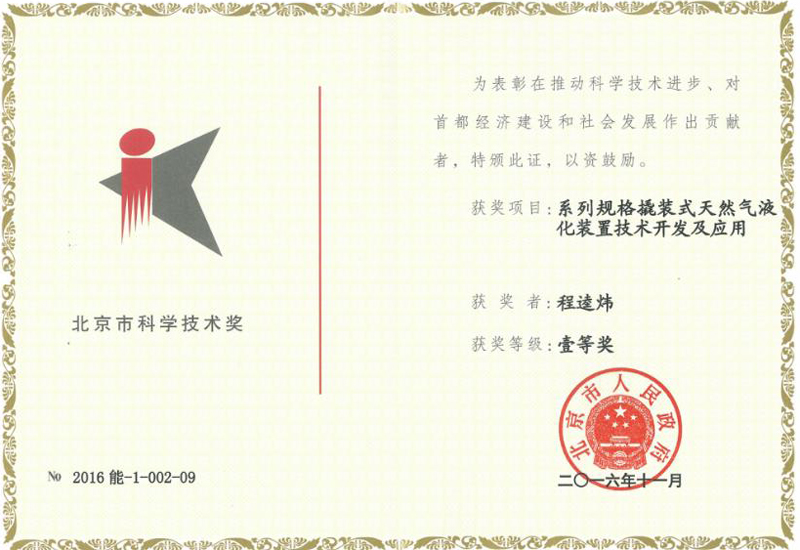
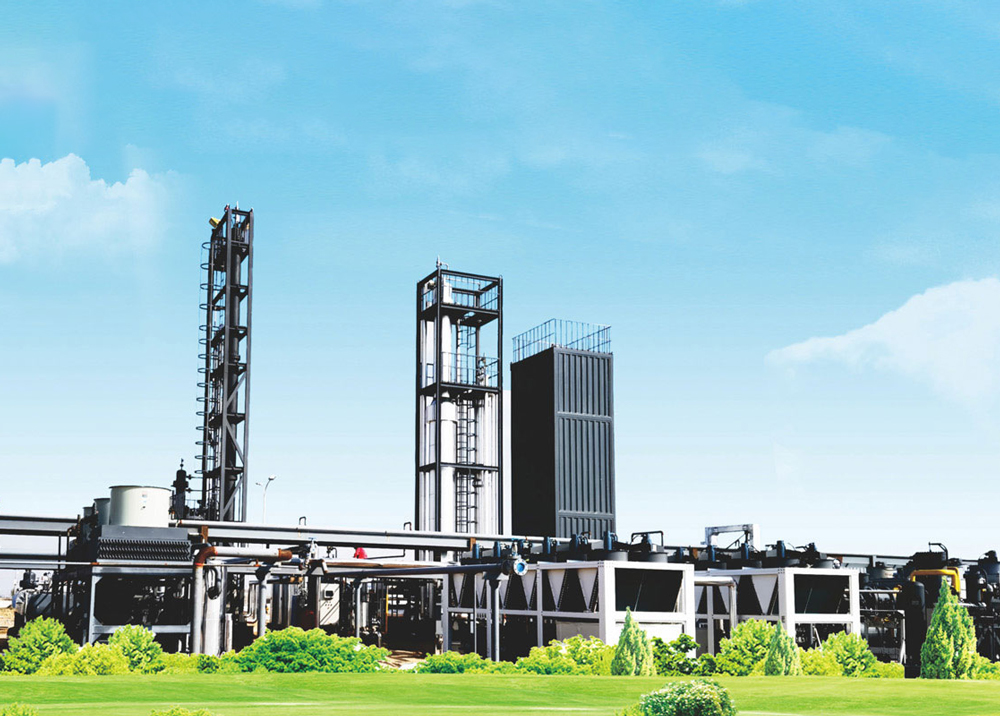
Our production facilities in Langfang, Hebei leverage China's established manufacturing ecosystems to deliver high-quality equipment with significant cost advantages. By consolidating material sourcing, automated welding, assembly, and advanced testing under one roof, we optimize production speed and product quality.
We continue to refine our systems to improve efficiency and reduce environmental impact through three core technical initiatives:
Integrating Boil-Off Gas (BOG) cryogenic fractionation to extract valuable trace helium during the liquefaction process, creating a new revenue stream from low-concentration natural gas feeds.
Implementing closed-loop sub-cooling systems that eliminate methane venting during transfer and loading, supporting zero-emission operations.
Deploying PLC-integrated cloud systems that monitor heat exchanger conditions, compressor health, and power consumption, enabling predictive maintenance from a central control room.
Operating pressurized gas equipment in Malaysia requires adherence to strict safety frameworks. Our engineering processes conform to international standards to ensure compliance with local regulations:
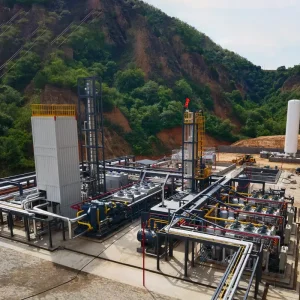
Highlighting our modular installations across bio-waste treatment, gas recovery, and cryogenic processing.
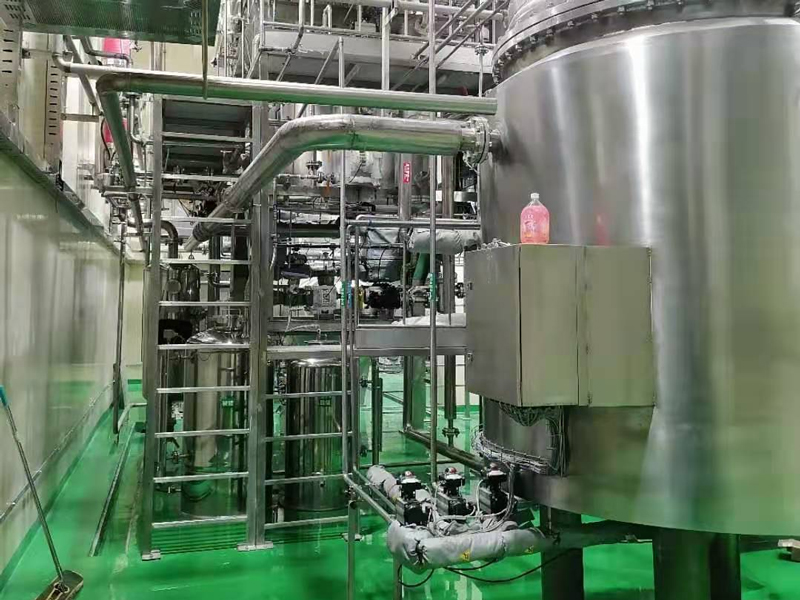
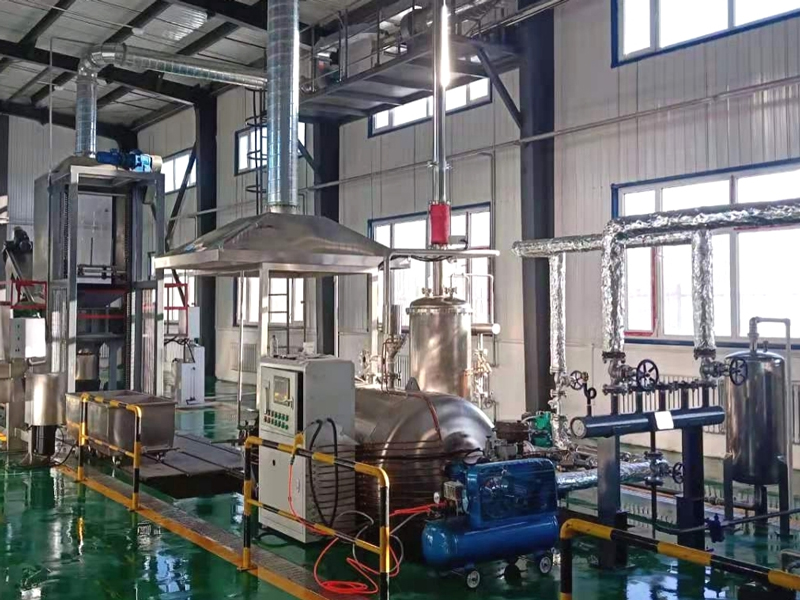
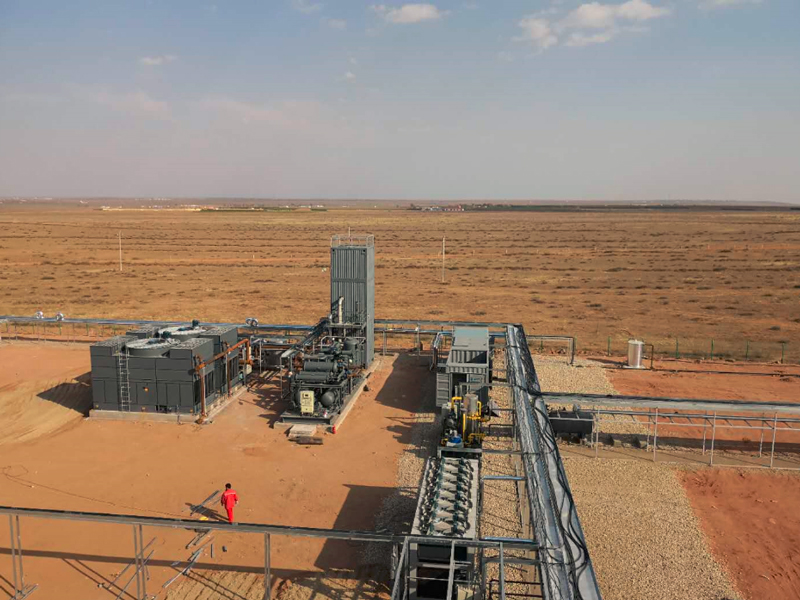
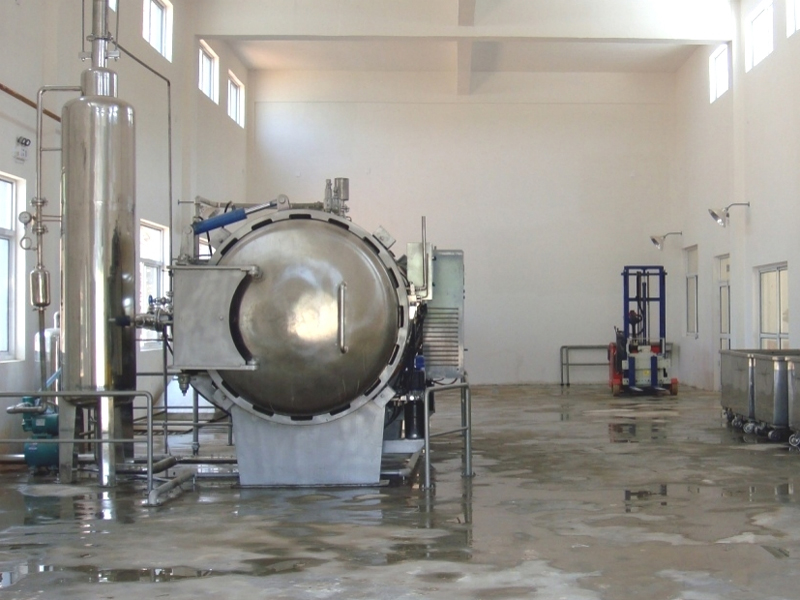
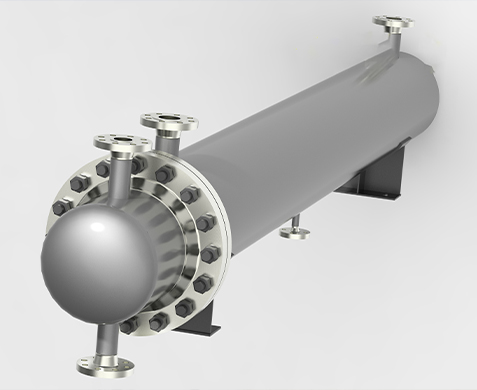
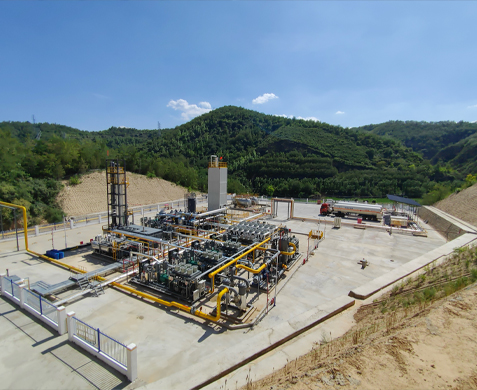
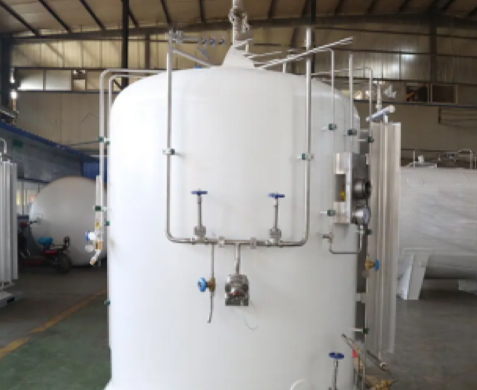
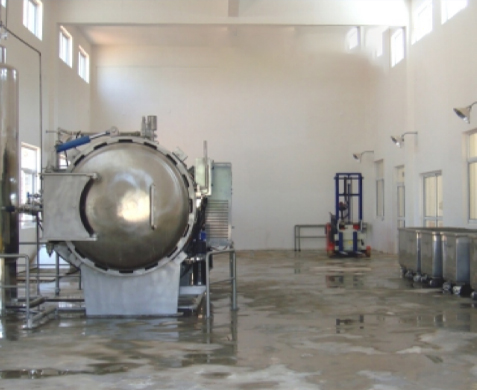
We specialize in designing and manufacturing four key classes of heavy industrial machinery:

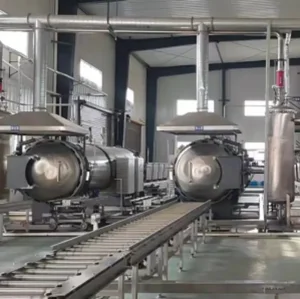
Medical waste steam treaters, mobile disposal trucks, and bio-hazardous tissue processing lines.

Modular purification skids, amine sweetening units, molecular sieve dehydrators, and complete LNG plants.

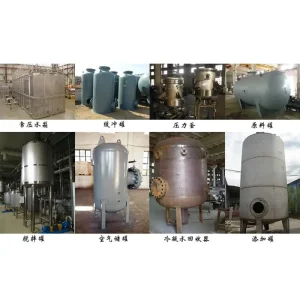
ASME pressure vessels, experimental cryogenic chambers, shell & tube heat exchangers, and hot blast stoves.

Cryogenic cold traps operating down to -180°C, freeze dryers, and low-temperature storage units.
Frequently asked questions regarding our truck-mounted and skid-mounted LNG equipment.
Browse our complete range of natural gas treatment, medical sterilization, and custom pressure equipment.
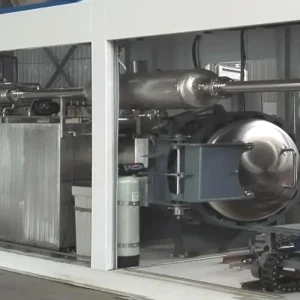
Contact our engineering specialists to discuss design specifications, footprint calculations, and pricing details for your project.
Send Inquiry Now Hongke Qingneng