Explore our core product lineup, featuring custom pressure vessels, gas purification systems, and complete skid-mounted process installations.
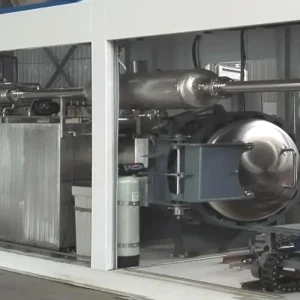
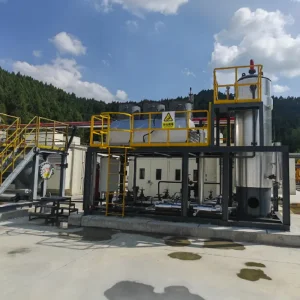
How our collaboration with Tsinghua University and the Chinese Academy of Sciences drives real engineering innovations in pressure vessels and environmental engineering.
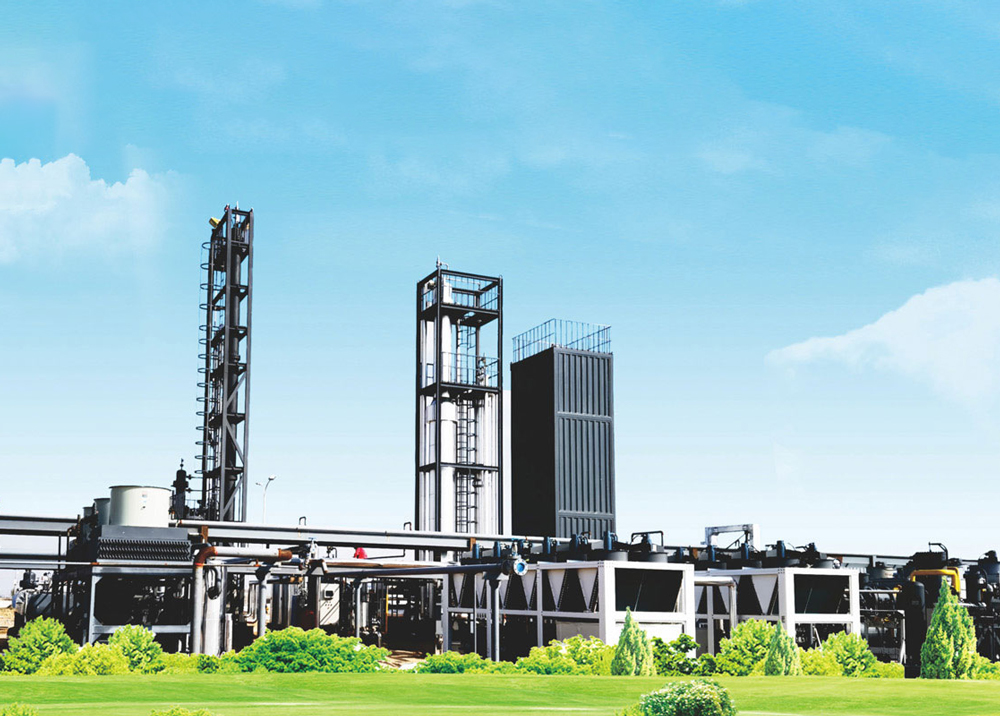
Established in June 2021 with a registered capital of 78 million yuan, our enterprise operates in the industrial base of Sanhe Economic Development Zone, Langfang City. We are an R&D-first manufacturer dedicated to low-carbon technology, pressure vessel production, gas purification, and cryogenic refrigeration systems.
Through strategic technological incubation, we serve critical global markets including oil and gas recovery, medical waste sterilization, carbon capture (CCUS), and custom petrochemical processing setups.
Carbon dioxide (CO2) pressure vessels represent the core hardware layer of modern climate infrastructure, sustainable food supply chains, and advanced manufacturing. As the world pushes toward carbon neutrality, carbon capture, utilization, and storage (CCUS) has transitioned from an academic concept into an industrial necessity. Large-scale CCUS installations require highly specialized containers capable of handling CO2 across its gaseous, liquid, and supercritical phases.
Understanding the thermodynamic properties of carbon dioxide is key to designing safe storage and transport hardware. CO2 reaches its triple point at -56.6°C (-69.8°F) and 5.18 bar (75.1 psi). Below this pressure, liquid carbon dioxide cannot exist; it transitions directly from a solid (dry ice) to a gas. Consequently, industrial storage systems must operate at elevated pressures and controlled low temperatures—typically between -20°C and -40°C under pressures of 18 to 25 bar. For supercritical CO2 processes, such as industrial extraction and closed-loop power generation cycles, the system must exceed the critical point of 31.1°C and 73.9 bar, demanding heavy-walled, high-strength vessels.
Today, these vessels are vital to several key industries:
Designing and manufacturing CO2 pressure vessels requires balancing safety, cost-efficiency, and thermal management. The unique properties of carbon dioxide pose distinct engineering challenges that distinguish these vessels from standard air receivers or LPG tanks.
Because liquid CO2 storage vessels operate down to -40°C, selecting the right steel is crucial. Carbon steels undergo a transition from ductile to brittle behavior at low temperatures. If standard structural steel is used, a sudden pressure drop could cause brittle fracturing, potentially leading to catastrophic failure. We resolve this by using impact-tested, fine-grain low-alloy carbon steels like ASTM A516 Grade 70 or specialized low-temperature carbon steels (e.g., Chinese GB 3531 grades like 16MnDR). For cryogenic carbon dioxide, or systems handling corrosive wet CO2 (where dissolved CO2 forms carbonic acid), stainless steels such as Grade 304L or 316L are specified.
A primary risk during liquid CO2 handling is rapid decompression. If a relief valve opens or a piping component leaks, the sudden drop in pressure below the triple point causes the liquid to flash into vapor and solid dry ice. This dry ice can block safety valves, manifolds, and instrument ports, causing pressure to build up inside the vessel. Our designs address this by using dual-path safety valve systems, oversized relief ports, and internal dip-tube geometries that prevent dry ice accumulation.
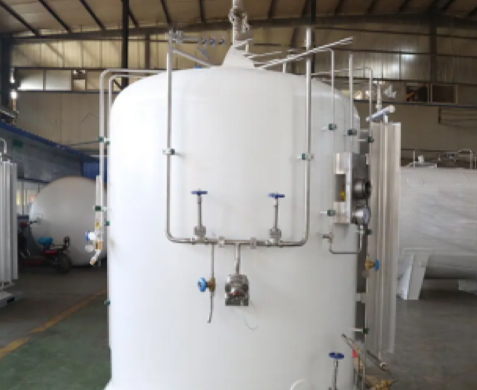
To maintain liquid CO2 at sub-ambient temperatures, high-performance insulation is required. We offer two main insulation designs depending on the installation size and transport requirements:
China is a global leader in pressure vessel fabrication, offering high-quality manufacturing at competitive costs. Our facility in Langfang City, Hebei Province, sits within a premier heavy industrial cluster. This location gives us access to a complete supply chain, ranging from high-quality steel mills to advanced precision welding suppliers.
This industrial ecosystem delivers several key benefits to international buyers:
The industrial gas sector is shifting rapidly, driven by the global transition toward a circular carbon economy. The demand for CO2 pressure vessels is expanding beyond traditional beverage supply chains into new industrial applications:
As operators look to capture emissions from smaller sources (such as biogas plants, fermentation facilities, and small industrial furnaces), compact, skid-mounted CO2 purification and liquefaction systems are growing in popularity. These units require compact, modular storage tanks that can be easily transported, installed, and scaled as capture volumes increase.
Synthesizing e-fuels, green methanol, and synthetic natural gas (SNG) requires captured carbon dioxide as a carbon source. This gas is combined with green hydrogen under high pressures and temperatures. Reactor systems and feed storage vessels must be engineered to withstand both high pressures and potential hydrogen-related corrosion, requiring specialized metallurgical coatings and high-grade alloys.
For intermodal transport, liquid CO2 is increasingly shipped in ISO tank containers. These 20-foot insulated tanks must meet international shipping and transport codes, including IMDG, ADR/RID, and US DOT standards. Designing for these transport conditions requires minimizing dry weight to maximize payload capacity while maintaining structural safety under dynamic transit loads.
Our technical team consists of research experts from the Chinese Academy of Sciences and Tsinghua University, driving process innovation and high-reliability design.
Explore some of our recent engineering projects, ranging from skid-mounted natural gas liquefaction plants to bio-waste processing equipment.
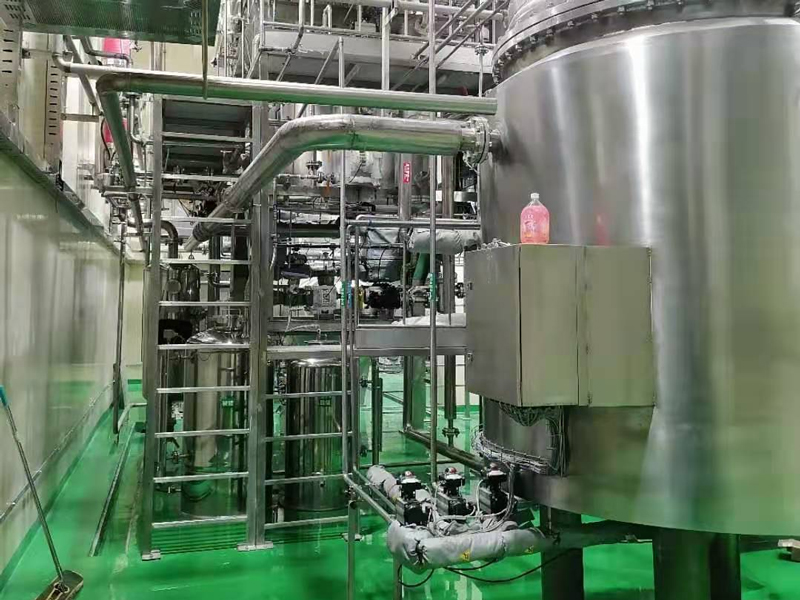
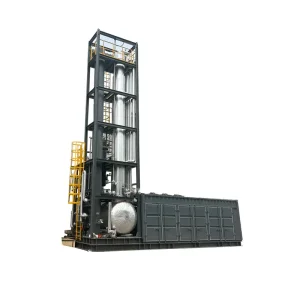
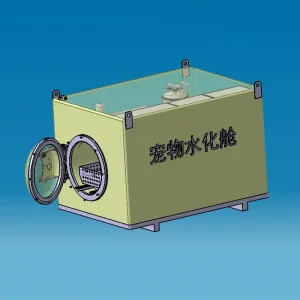
High-pressure, thermal hydrolysis equipment built to sterilize animal waste safely and efficiently.
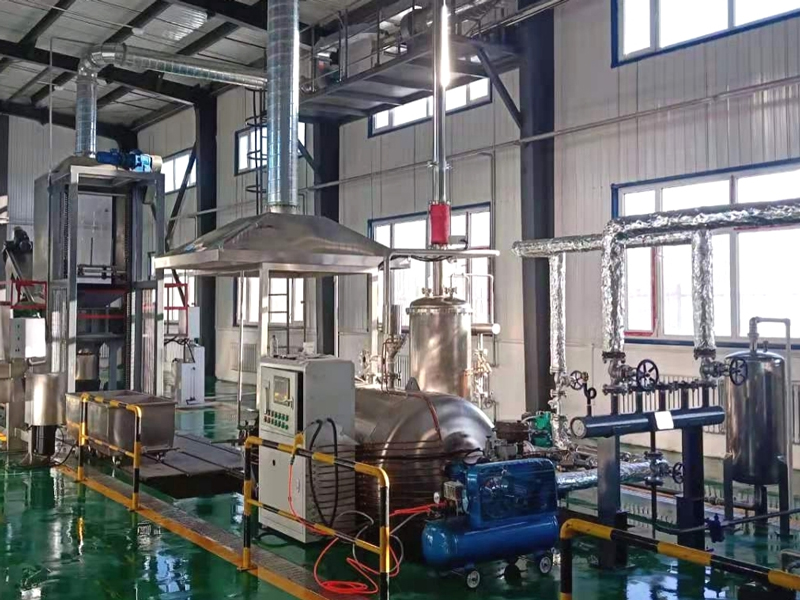
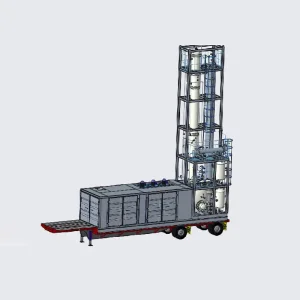
Compact, trailer-mounted high-temperature steam sterilization systems designed for emergency response.
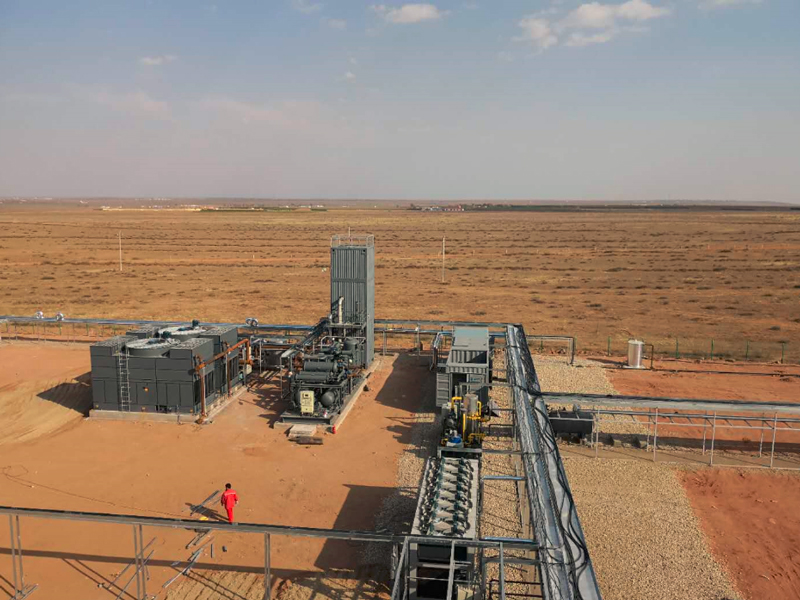
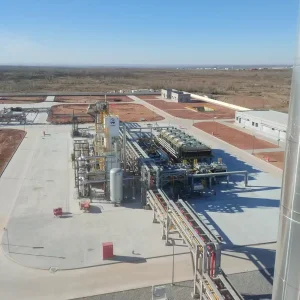
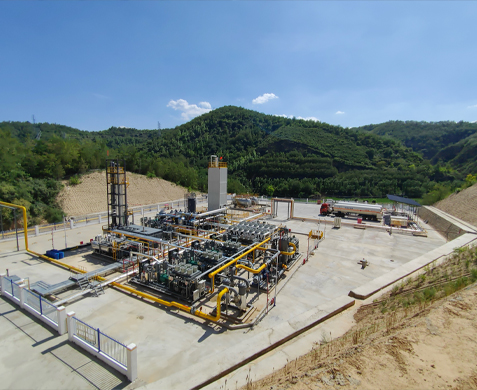
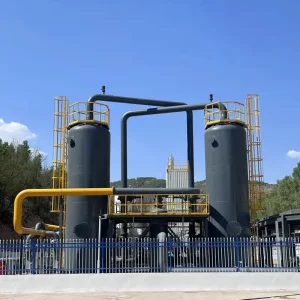
Skid-mounted gas processing plant designed to capture and liquefy isolated well gases, reducing venting and flaring.
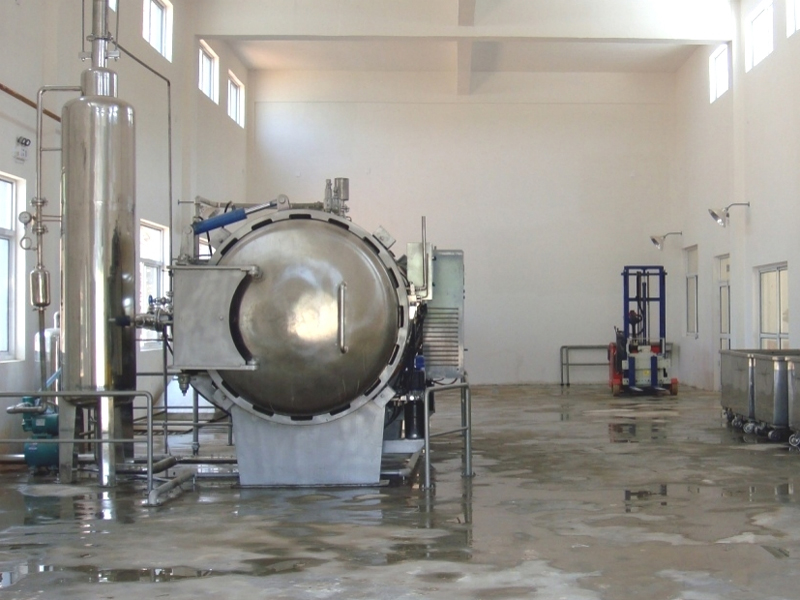
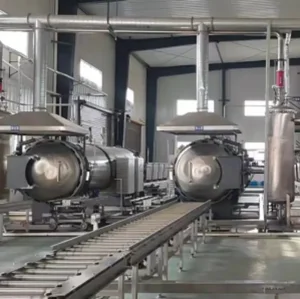
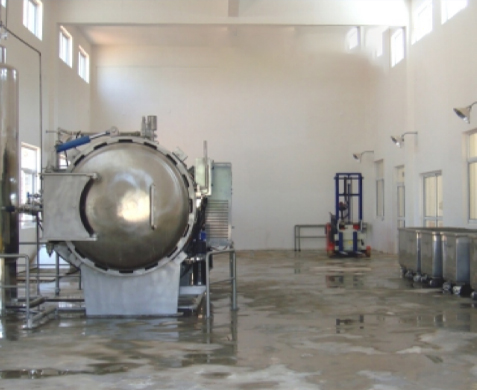
Large-scale industrial autoclaves configured to process high volumes of medical and bio-hazardous waste.
Answers to key engineering, regulatory, and design questions for international buyers sourcing CO2 pressure vessels.
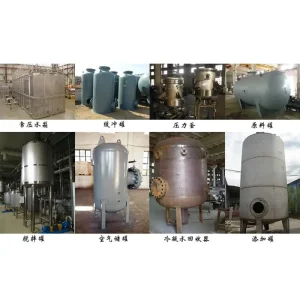
Explore our wider range of gas purification, waste processing, and non-standard pressure vessels built to custom specifications.
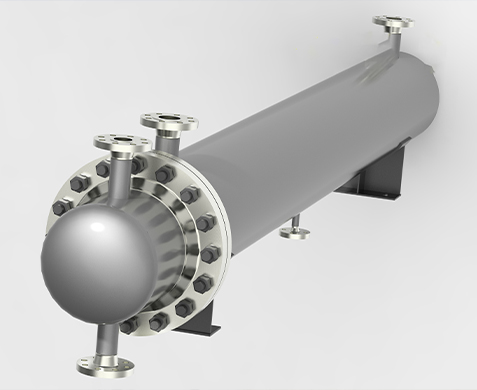
Whether you need custom low-temperature storage tanks, skid-mounted gas purification systems, or complex heat exchangers, our technical team is ready to design and deliver high-reliability solutions.
Contact Hebei Hongke Qingneng Environmental Protection Equipment Co., Ltd.
Our scientific team will review your specifications and provide a detailed quote.
 Hongke Qingneng