High-performance bio-hazard disinfection systems, industrial liquefaction skids, and custom A2 class pressure vessels built for extreme durability.
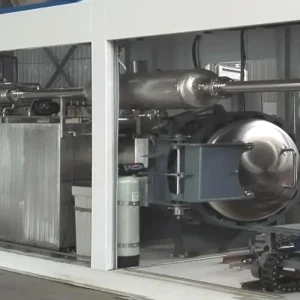
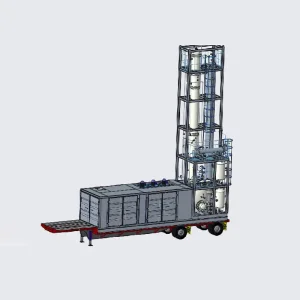
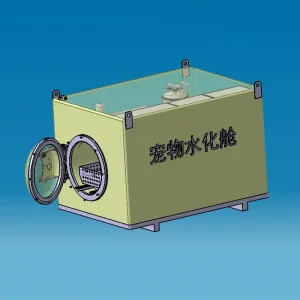
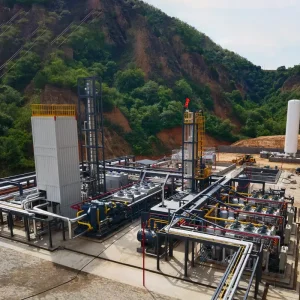
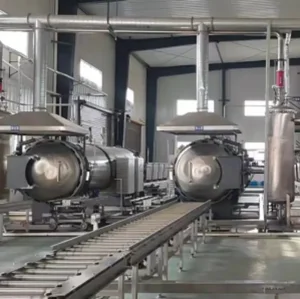
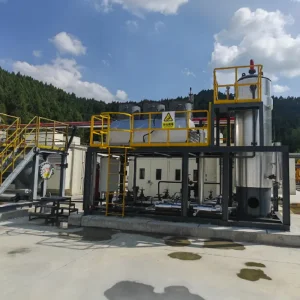
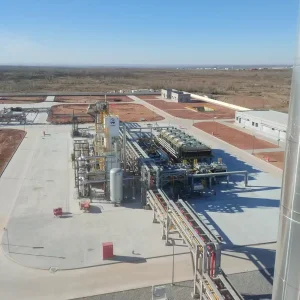
In an era defined by stringent biosecurity mandates and global decarbonization targets, the treatment of clinical, pathological, and infectious municipal waste has undergone a radical technological transition. Traditional incineration, once the dominant method for bio-hazard mitigation, is increasingly phased out due to its high carbon footprint, volatile organic compound (VOC) emissions, and intensive operational costs. Stepping into this gap is high-temperature steam autoclave sterilization—a clean, thermal-disinfection process that renders medical waste completely non-infectious while significantly lowering atmospheric emissions.
As a premier designer and manufacturer, Hebei Hongke Qingneng Environmental Protection Equipment Co., Ltd. (registered capital of 78 million yuan) stands at the forefront of this industrial transition. Operating from our advanced manufacturing base in the Sanhe Economic Development Zone, Langfang City, we design and produce ASME and GB-compliant pressure vessels specifically engineered for high-throughput autoclaving. Our technology integrates advanced thermal dynamics with rigorous mechanical engineering to support municipal waste hubs, laboratory research centers, and hospital networks globally.
Underpinning our manufacturing philosophy with mechanical precision and advanced thermal dynamics.
Complete air evacuation is critical. Our autoclaves utilize multi-stage pulsating pre-vacuum profiles to draw out trapped air from porous waste, ensuring 100% steam penetration and eliminating cold spots.
Crafted to A2 level pressure vessel standards, our autoclave walls are forged from stabilized stainless steel (SUS316L/SUS304) to resist corrosive halogenated components present in clinical waste streams.
Designed for BSL-3 and BSL-4 applications, featuring biosecurity hermetic door seals. Liquid condensate is pre-sterilized prior to drainage, and off-gases pass through 0.2-micron hydrophobic HEPA filters.
Saturated steam under pressure is the most reliable agent for the destruction of microbial life. The mechanism of heat transfer is the latent heat of vaporization: when steam contacts cooler medical waste, it condenses, releasing 2,257 kJ of heat energy per kilogram of steam. This flash-heating denatures structural proteins and enzymes, destroying all pathogens, including bacterial spores such as Geobacillus stearothermophilus (achieving a verified Log 6 reduction).
The presence of air pockets acts as a thermal barrier, insulating pathogens from steam contact. Our systems utilize liquid ring vacuum pumps coupled with steam ejectors to perform a fractionated pre-vacuum sequence. By alternating deep vacuum draws (-0.09 MPa) with pressurized steam pulses, we reduce the residual air ratio within the chamber to less than 0.1%. This guarantees uniform heat distribution, even inside dense waste containers and yellow bag clinical waste.
Depending on client throughput requirements, Hebei Hongke Qingneng designs both Integrated Shredder-Autoclaves (where waste is mechanically downsized inside the vessel under negative pressure prior to sterilizing) and external shredding systems. Pre-shredding increases surface area contact, drastically reduces steam consumption, and ensures that syringes, glass vials, and organic tissue are rendered unrecognizable—meeting strict municipal waste guidelines before leaving the facility boundary.
Manufacturing high-pressure sterilization autoclaves requires strict adherence to physical safety standards. Based in the industrial hub of Sanhe Economic Development Zone, Hebei Hongke Qingneng leverages a robust domestic supply chain to deliver high-performance autoclaves at optimized capital expenditure levels.
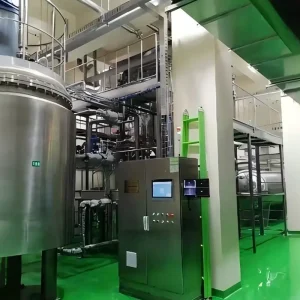
Our production floor features automated submerged arc welding machines, CNC plate rolling equipment, and non-destructive testing (NDT) rooms utilizing real-time X-ray and ultrasonic inspection. This complete manufacturing control ensures every longitudinal and circumferential weld seam exceeds the ASME Section VIII Div. 1 and GB150 guidelines. By coupling advanced robotic welding with premium steel sourcing from state-owned mills, we eliminate micro-fissures and guarantee an operational lifecycle exceeding 15 years under daily cycling.
Every autoclave built in our factory undergoes rigorous hydraulic testing at 1.5 times the design pressure, combined with pneumatic testing and helium leak detection for biological seal verification. We coordinate directly with third-party inspection agencies (such as SGS, Bureau Veritas, or TÜV) to issue CE-PED certificates and pressure vessel stamps required by local national regulators.
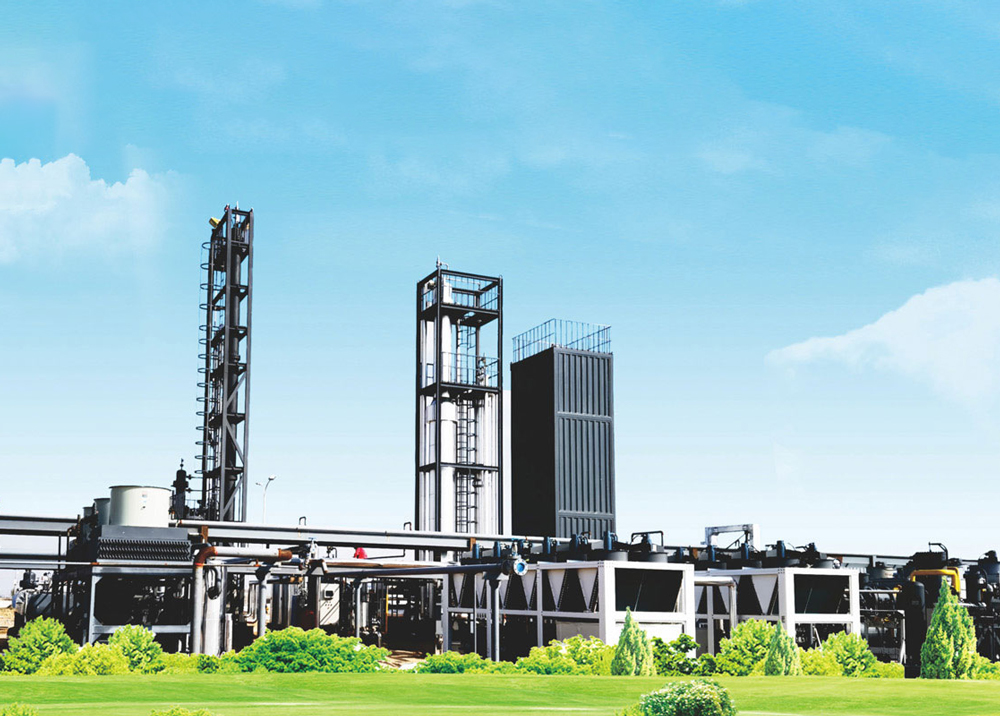
Our systems are engineered by leading figures in thermodynamics and low-temperature physics from the Chinese Academy of Sciences (CAS).
A national senior engineer and principal investigator of the National 863 Program. Dr. Sun has led key aerospace, military, and cryogenic liquefaction projects. Recipient of the Special Prize of Technological Invention of the Chinese Society of Refrigeration (2015) and the First Prize of Beijing Science and Technology Award (2016). He has guided the company's expansion into non-standard pressure vessels and high-performance environmental sterilization equipment.
Dr. Zou has managed large-scale environmental engineering and skid-mounted industrial projects for over a decade. Author of 24 major academic papers (11 indexed in SCI/EI) and inventor of 5 national patents. Winner of the Beijing Science and Technology Award First Prize, his research centers on heat exchange efficiency and process safety in high-pressure thermal boundary systems.
An expert in the thermodynamic behavior of mixed working fluids and phase-change heat transfer. Dr. Cheng presided over the process engineering of multiple large-scale natural gas liquefaction plants and bio-waste autoclave systems. His design optimizations have reduced autoclave steam consumption by up to 25% through innovative condensation recovery designs.
Operational references demonstrating system reliability under continuous load profiles.
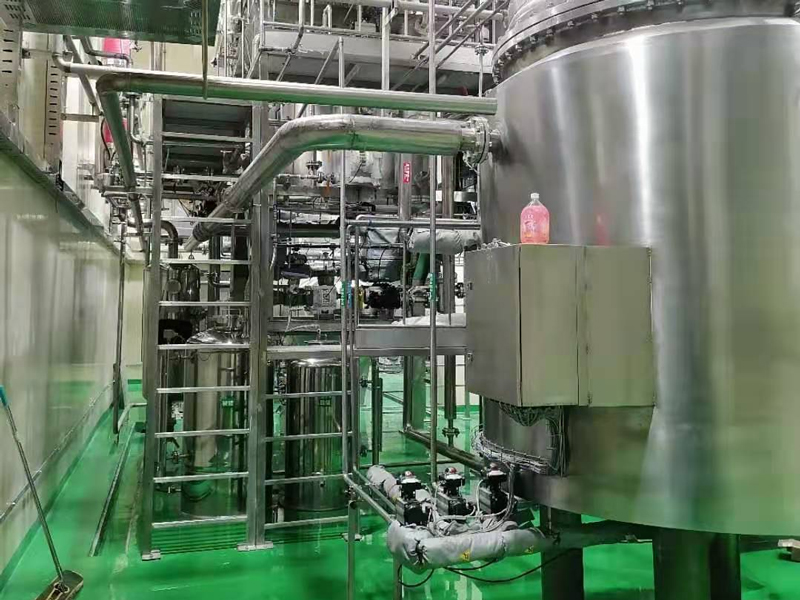
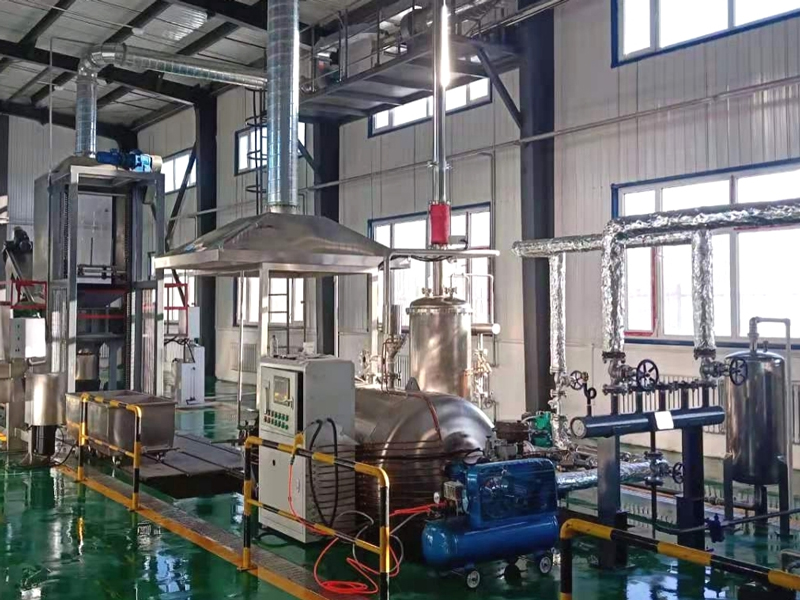
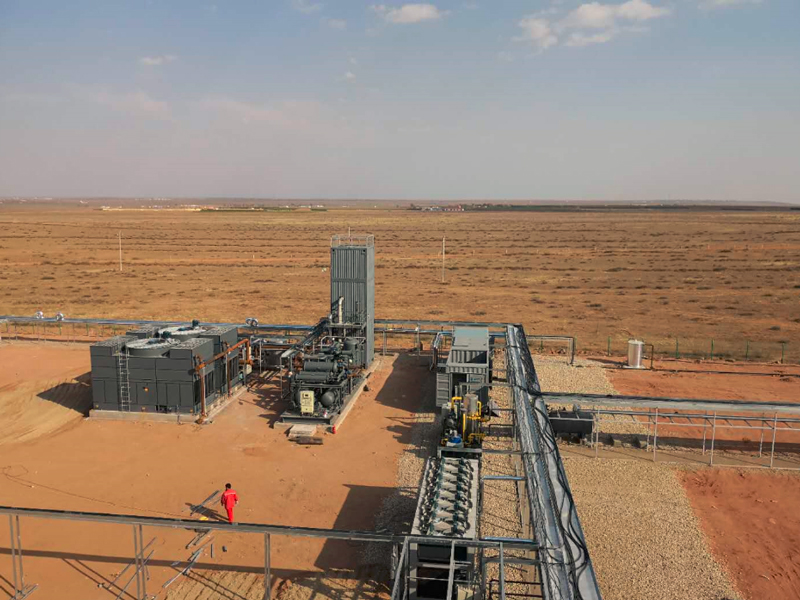
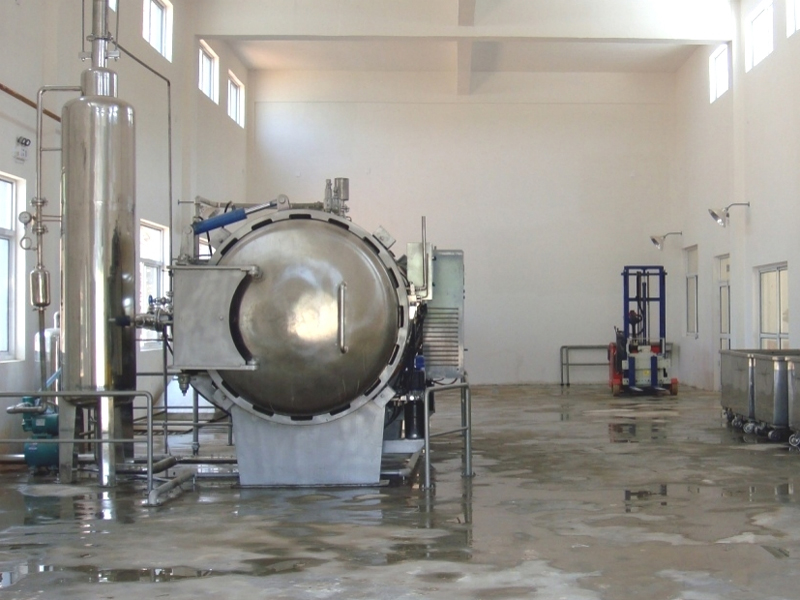
As environmental regulations shift, medical facilities require tailored processing architectures. Rather than offering one-size-fits-all hardware, Hebei Hongke Qingneng designs macro solutions for diverse operational settings:
Built for municipal waste concessions processing 10 to 100 tons of medical waste daily. These systems utilize heavy-duty horizontal autoclaves integrated with automated bin-tipping hoppers, chain-conveying lines, and automated post-sterilization shredders. The configuration includes secondary steam condensation systems to prevent odor dispersion.
For remote regions, military deployments, or epidemic response, we supply skid-mounted, containerized autoclaves. The entire system—including steam generator, treatment chamber, vacuum pumps, and water purification units—is housed within a standard ISO sea container. Plug-and-play setup allows local teams to establish bio-hazard barrier lines in under 24 hours.
Addressing laboratory research facilities and companion animal care, our environmentally sound hydration chambers utilize high-temperature alkaline hydrolysis to digest animal carcasses and tissues. This chemical reduction process breaks down proteins and pathogens into sterile liquid effluents, producing zero gaseous emissions and saving substantial energy compared to dry cremation.
Navigating regulatory compliance is the most critical hurdle in global pressure vessel procurement. We customize autoclave designs to match regional electrical grid configurations, safety factors, and documentation needs:
Technical answers to key issues in medical waste autoclaving and plant integration.
Our systems utilize dual verification protocols: physical verification via real-time temperature-pressure logging via the PLC, and biological verification utilizing biological indicators (containing Geobacillus stearothermophilus spores). Additionally, chemical indicator strips are placed inside the core of the waste bags during validation runs.
Exhaust gases from the chamber pass through a multi-stage abatement system: first, a condenser cools hot vapors, turning volatile organic elements to liquid; next, the non-condensable gases pass through a coalescing filter and an active carbon absorption bed to eliminate VOCs and offensive odors prior to safe atmospheric discharge.
Yes, our design team specializes in non-standard configurations. Leveraging our A2 pressure vessel license, we customize chamber dimensions, design rectangular chambers with reinforcing ribs, modify door swing orientations (horizontal sliding, vertical sliding, or quick-opening manual doors), and rearrange the external skid footprint to fit within restricted plant clearances.
Our standard autoclaves are manufactured using SS304 stainless steel for typical clean waste. For highly corrosive chemical loads or medical waste containing chlorinated plastic materials, we upgrade the chamber construction to SS316L or clad plate alloys to prevent stress corrosion cracking (SCC) caused by chloride ions.
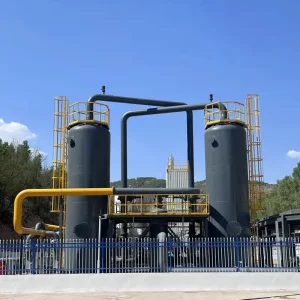
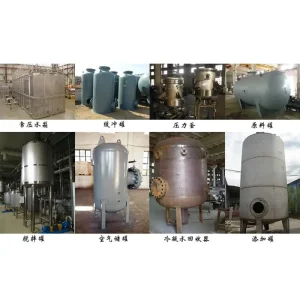
Discover our comprehensive range of custom pressure vessels, natural gas purification equipment, and desulphurisation plants.
 Hongke Qingneng