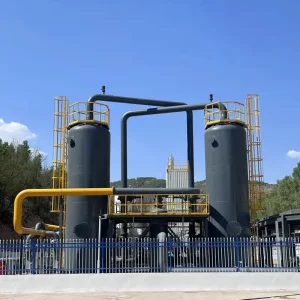
In modern chemical processing, energy purification, and environmental engineering, the presence of volatile contaminants, acidic constituents, and heavy hydrocarbons represents a significant operational challenge. A high-quality Top Impurity Removal System is not merely auxiliary equipment; it is a critical process barrier. Without precise pre-treatment, trace compounds such as hydrogen sulfide (H2S), carbon dioxide (CO2), water vapor, and heavy fraction hydrocarbons degrade downstream equipment, cause catalyst poisoning, and trigger severe environmental violations.
From shale gas recovery fields in North America to centralized LNG terminals in Western Europe and rapid coalbed methane (CBM) initiatives across the Asia-Pacific, energy operations must meet stringent purity thresholds. For example, cryogenic natural gas liquefaction demands carbon dioxide levels below 50 ppmv and water content below 1 ppmv to prevent solid ice blockages in the cold box. Our comprehensive systems address these parameters through integrated thermal and molecular sieve separation mechanics, safeguarding downstream plant operations and extending equipment life cycles.
Effective impurity removal is governed by thermodynamic stability and phase separation behavior. By utilizing advanced process designs, Hebei Hongke Qingneng Environmental Protection Equipment Co., Ltd. addresses multiple phase separation requirements concurrently. Our technology includes multi-stage chemical absorption loops, pressure swing adsorption (PSA), and cryogenic fractional condensation. This prevents structural degradation, such as amine degradation, foaming, or chemical slip, ensuring the system operates with high thermodynamic efficiency.
Registered Capital (RMB)
Pressure Vessel License Level
Independent Patents
Skid-Mounted Systems Delivered
Hebei Hongke Qingneng Environmental Protection Equipment Co., Ltd., established in June 2021 with a registered capital of 78 million Yuan, is a leading manufacturer in the Sanhe Economic Development Zone, Langfang City. We focus on the design and manufacture of energy conservation and environmental protection systems. Our technical core consists of research teams from Tsinghua University and the Institute of Physics and Chemistry Technology, Chinese Academy of Sciences (CAS). This scientific backing ensures that our systems are built on sound thermal engineering and fluid dynamics principles.
Backed by experts from Tsinghua University and the Chinese Academy of Sciences, we develop skid-mounted liquefaction and environmental protection systems supported by extensive engineering data and proprietary patents.
We hold an A2 pressure vessel manufacturing license, pressure piping component license, ISO9001 certification, and Sinopec HSSE / CNPC Health, Safety, and Environment certifications, ensuring high build quality.
Our technologies focus on gas recovery, resource protection, carbon reduction, and air pollution control, supporting global decarbonization initiatives.
Our engineering design processes are directed by leading research scholars in thermophysical sciences and industrial refrigeration. This ensures that the flow channels, heat exchanger surfaces, and phase separation boundaries in our systems are optimized for maximum efficiency.
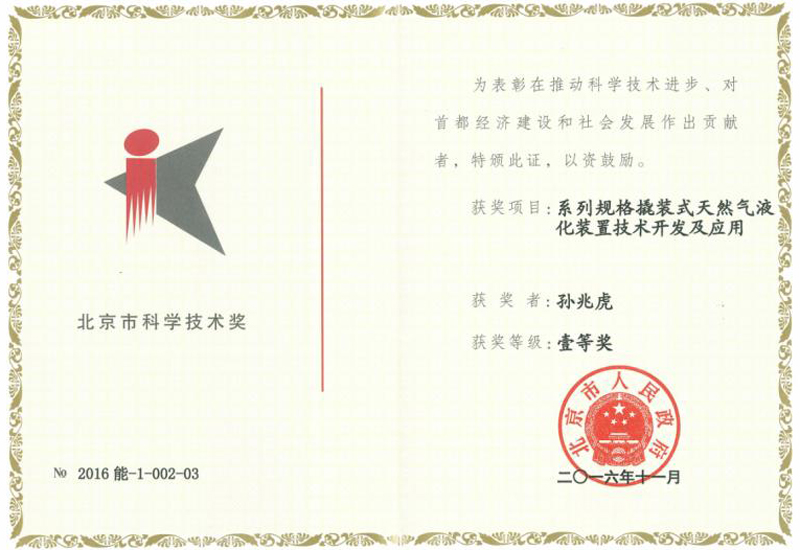
Holder of a doctorate from the Institute of Physics and Chemistry Technology, CAS, and a national senior engineer. Dr. Sun has led key national projects including the 863 Program and space programs. He has received the Beijing Science and Technology Award and the Special Prize for Technological Invention from the Chinese Society of Refrigeration.
Ph.D. candidate and senior engineer at the Institute of Physics and Chemistry Technology, CAS. He has managed company operations for years, heading multiple national aerospace, military, and energy projects. He has published 24 papers (11 indexed in SCI/EI) and holds 5 patents.
Doctor of Engineering from CAS. He is a key researcher behind our skid-mounted natural gas liquefaction systems. Dr. Cheng specializes in phase change heat transfer and flow characteristics of mixed refrigerants, bringing extensive thermodynamic research to our field designs.
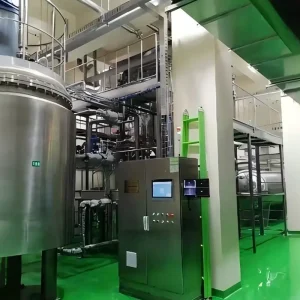
Our facility is equipped to handle complex industrial projects. We manage all stages of production in-house, from heavy steel processing and pressure vessel rolling to precision instrumentation and integrated control programming. This allows us to ensure quality control, shorten delivery times, and provide reliable skid systems for a wide range of industrial applications.
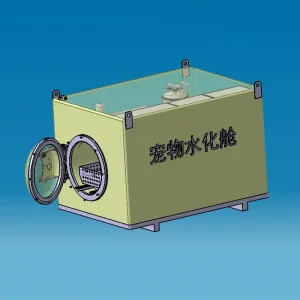
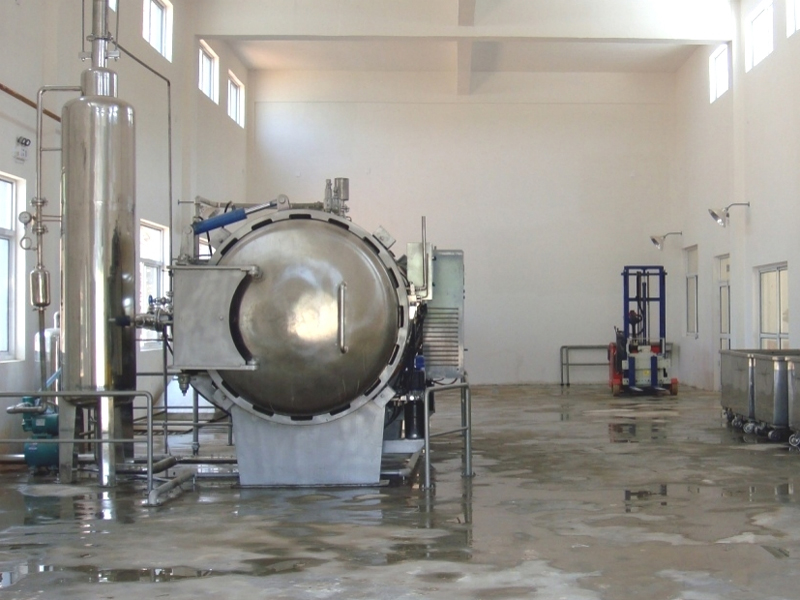
Specialized systems for biological waste processing, medical waste steam treatment, and animal tissue hydrolysis. Designed to prevent secondary contamination and ensure complete containment.
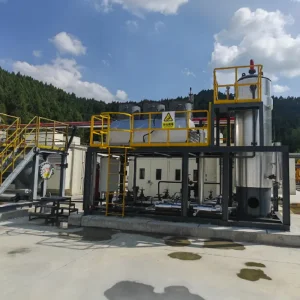
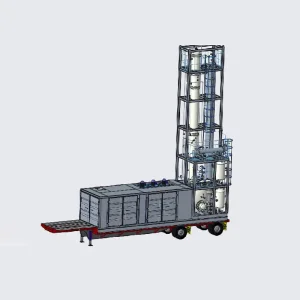
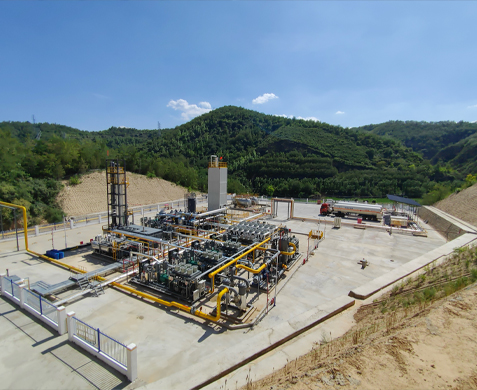
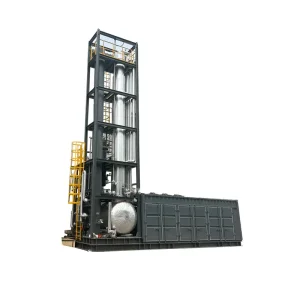
Skid-mounted deacidification, dehydration, heavy hydrocarbon removal, and liquefaction units. Suitable for shale gas, coalbed methane, and associated gas recovery applications.
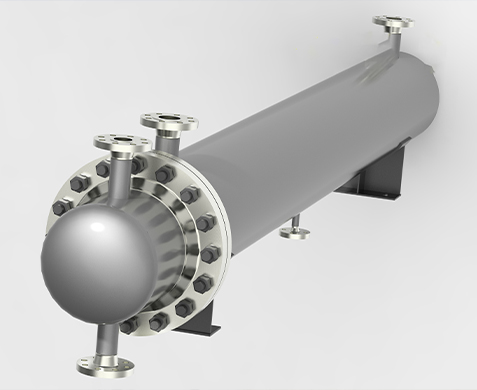
Custom design and manufacture of shell-and-tube heat exchangers, high-pressure reaction vessels, and testing benches. Certified to meet international structural integrity standards.
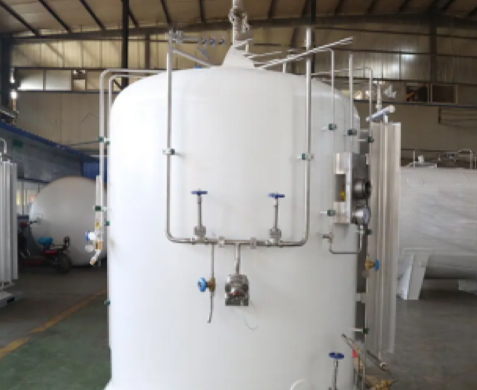
For applications requiring low-temperature gas separation, we produce specialized refrigeration units operating from -40°C down to -180°C. These are used in vacuum cold traps, freeze dryers, and BOG helium recovery systems, providing reliable cooling under demanding process conditions.
Industrial purification systems must be adapted to local environmental and site conditions. Ambient temperature variations, seismic ratings, transport limits, and regional emissions standards directly affect equipment design. Our engineering team designs and manufactures systems for specific operational conditions around the world.
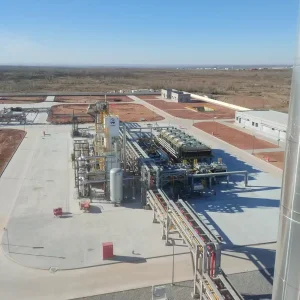
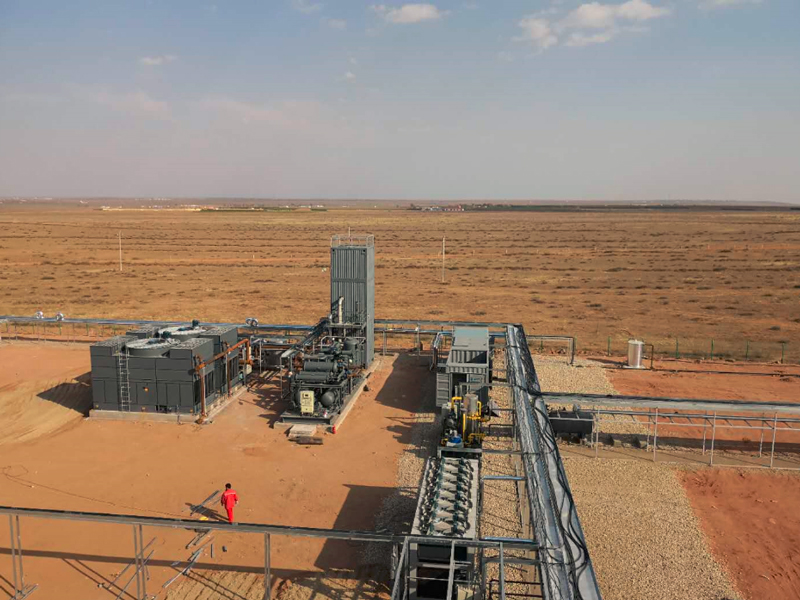
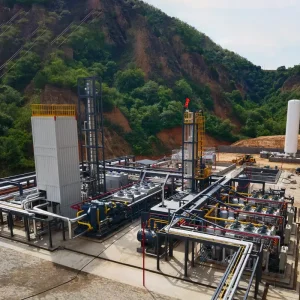
In locations such as West Texas, Western Australia, or the remote basins of Northwest China, infrastructure limitations make large civil installations impractical. Our skid-mounted, pre-wired purification and liquefaction systems can be installed directly at the wellhead. This allows operators to recover associated petroleum gas that would otherwise be flared, turning a waste product into marketable LNG.
Urban medical waste treatment facilities require highly reliable containment systems. We manufacture skid-mounted, high-temperature steam treatment units that process medical waste in compliance with strict epidemiological safety standards. Similar technology is used in agricultural facilities for the bio-secure disposal of animal carcasses and tissues.
Helium is a valuable resource often found in trace amounts in LNG streams. During storage and transport, heat ingress creates Boil-Off Gas (BOG). Our cryogenic BOG purification systems separate methane and nitrogen to extract and liquefy high-purity helium, adding a secondary revenue stream to LNG operations.
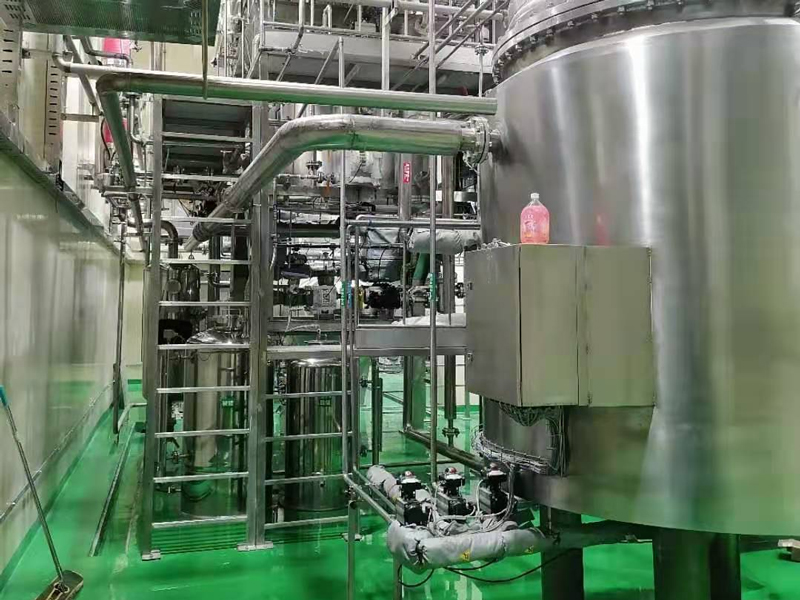
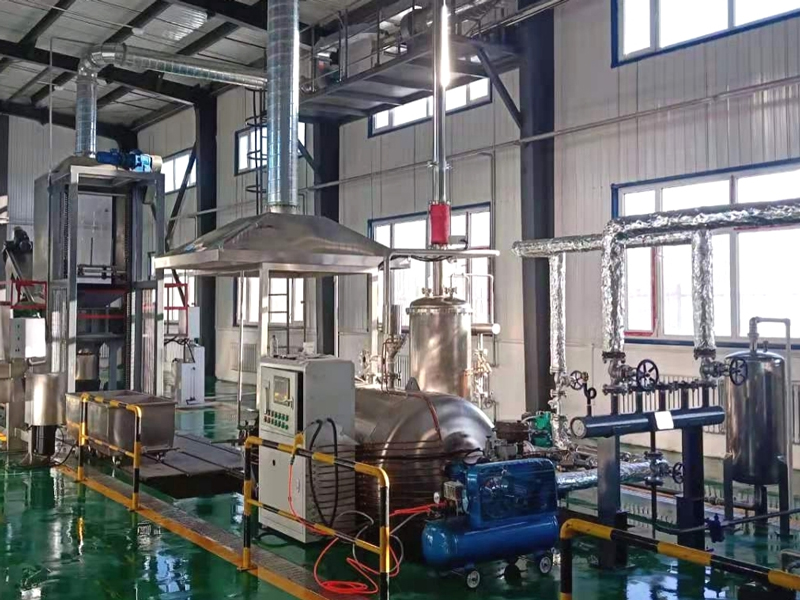
Precision Piping Fabrication
Pressure Vessel Quality Inspections
Skid-Mounted Structure Welding
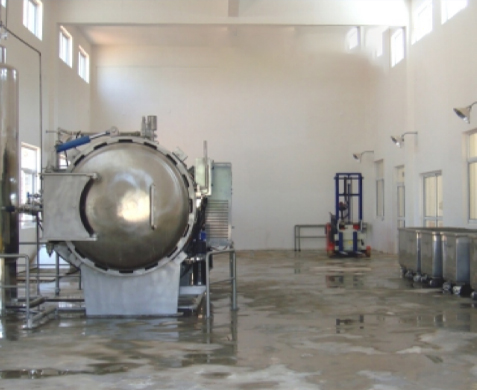
Final Functional Unit Verification
Selecting the right purification system requires evaluating process parameters, regulatory requirements, and technical specifications. Below are answers to common technical questions from procurement teams and design engineers.
Our systems are custom-designed to handle multiple contaminants. For acid gases, we use chemical and physical solvents to remove H2S and CO2. For moisture control, molecular sieve dehydration units reduce the water dew point to below -70°C. Heavy hydrocarbons are separated using active carbon beds or cryogenic condensation stages, preventing accumulation in cold boxes or process catalysts.
Skid-mounted systems are assembled, piped, wired, and tested in our factory under controlled conditions. This reduces on-site construction requirements, lowers installation costs, and minimizes project delay risks. The modular design also makes transport easier and allows the equipment to be relocated if process demands change.
We hold national A2-grade pressure vessel manufacturing licenses and pressure piping assembly certifications. Our manufacturing processes conform to China’s GB150 and GB151 standards. We also build systems to comply with international standards, such as ASME Section VIII Division 1, for projects requiring global code compliance.
Our gas processing plants use variable frequency drives (VFDs) and automated flow control systems to handle flow and composition fluctuations. This allows the system to maintain stable operation at a turndown ratio down to 30% of design capacity without solvent carryover or freezing issues in the liquefaction section.
Our environmental and medical waste systems feature hermetically sealed containers, multi-stage filtration, and thermal destruction setups. Systems handling hazardous volatile organics or live toxic wastewater use automated shutdown valves, nitrogen purging, and continuous pressure monitoring to prevent fugitive emissions.
 Hongke Qingneng