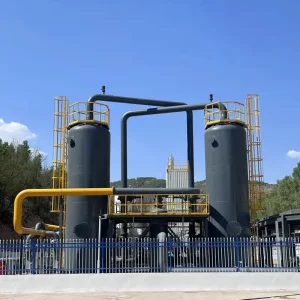
Explore our high-performance skid-mounted solutions, environmental equipment, and custom-engineered pressure vessels.
Liquefied Petroleum Gas (LPG) remains a foundational pillar of global transitional energy grids. As a critical compound requiring specialized logistics, containment, and processing, the demand for pressure vessels designed with absolute reliability has scaled dramatically. In the context of industrial energy distribution, chemical manufacturing, and ecological recovery, an LPG pressure vessel is not merely a static container—it is a dynamically stressed thermodynamic system operating under variable temperatures and high cycle pressures.
Modern EPC (Engineering, Procurement, and Construction) companies and industrial plants demand structural integrity that conforms to strict international standards such as ASME Section VIII (Div 1 & Div 2), EN 13445, and GB 150. Selecting the correct manufacturing factory partner involves navigating a matrix of metallurgical quality, welding technologies, and rigorous non-destructive testing (NDT) capabilities. High-quality suppliers distinguish themselves through state-of-the-art thermo-mechanical processing, stress relief heat treatment (PWHT), and comprehensive trace element control in low-alloy high-strength steels (like SA-516 Gr. 70 or Q345R).
Several critical shifts are driving technical design within the LPG pressure vessel industry:
Hebei Hongke Qingneng Environmental Protection Equipment Co., Ltd. (established June 2021, registered capital 78 million Yuan) stands at the intersection of elite academic research and high-volume industrial manufacturing. Situated in the Sanhe Economic Development Zone, Langfang City, our R&D core is formed by leading minds from Tsinghua University and the Institute of Physics and Chemistry Technology, Chinese Academy of Sciences (CAS).
Our commitment to "innovation-driven development and service-led upgrading" has translated into dozens of proprietary patents and high-end technological deployments. From non-standard pressure vessels to industrial refrigeration (-40℃ to -180℃), skid-mounted LPG/LNG purification plants, and medical waste disposal systems, HKQN bridges laboratory-grade thermodynamic physics with heavy industry reliability.
Uncompromising engineering standards backed by national research institutions and certified manufacturing pipelines.
Our R&D pipeline is directed by CAS Ph.D. holders and senior engineers, applying advanced thermodynamics to industrial designs.
We hold the prestigious Class A2 Pressure Vessel Manufacturing License, Pressure Pipeline Component License, and full ISO/Sinopec HSSE credentials.
Every containment unit, heat exchanger, and skid-mounted plant is built for rigorous compliance, ensuring seamless customs and localized site approvals.
The credibility of a pressure vessel manufacturing facility lies in the expertise of its design and engineering team. Hongke Qingneng is led by renowned scholars and industry specialists who have pioneered cryogenic processing and thermodynamic design in China:
Doctorate from the Institute of Physics and Chemistry Technology, Chinese Academy of Sciences (CAS). National Senior Engineer. Directed multiple National 863 Program projects, aerospace military initiatives, and major CAS projects. Awarded the Special Prize of Technological Invention of the Chinese Society of Refrigeration (2015) and the Beijing Science and Technology Award (2016). Over 20 independent R&D intellectual property rights.
Ph.D. candidate and Senior Engineer of the Institute of Physics and Chemistry Technology, CAS. Led national "12th Five-Year Plan" projects, published 24 domestic and international academic papers (11 SCI/EI indexed), and holds multiple invention patents. Recipient of the 7th China Refrigeration Society Technological Invention Award.
Doctor of Engineering from the Institute of Physics and Chemistry Technology, CAS. Expert in multi-component mixed working medium processes and phase change heat transfer. Recipient of the 2016 First Prize of Science and Technology Award of Beijing. Directs all thermodynamic, fluidic, and pressure vessel process designs.
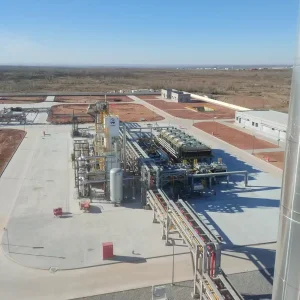
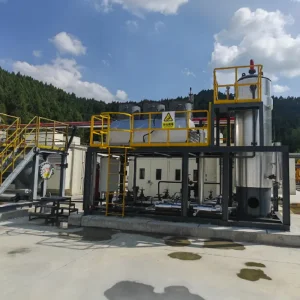
Beyond traditional LPG storage tanks, Hongke Qingneng provides comprehensive skid-mounted systems that address the complete lifecycles of liquid gases and environmental processing:
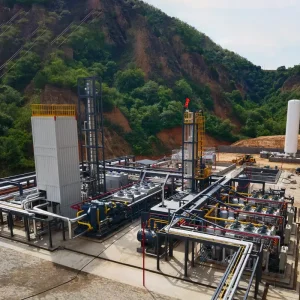
Our division excels in the fabrication of skid-mounted liquefaction equipment (LNG/LPG), purification equipment (deacidification, dehydration, and heavy hydrocarbon removal), and complete tail gas recovery plants. We specialize in BOG (Boil-Off Gas) recovery and helium extraction systems, maximizing yield and efficiency for remote wells and processing facilities.
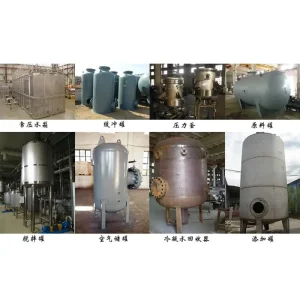
We design and manufacture heavy shell-and-tube heat exchangers, high-pressure reaction chambers, experimental test benches, and hot air furnaces. These custom solutions are optimized for operating temperatures from -196℃ up to 450℃, ensuring durability under intense thermal shocks.
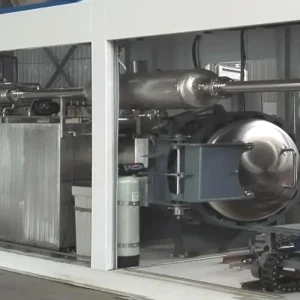
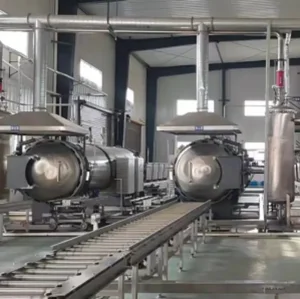
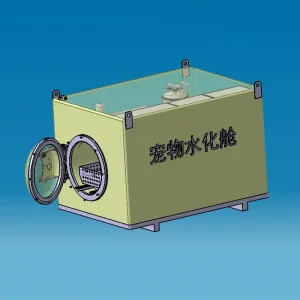
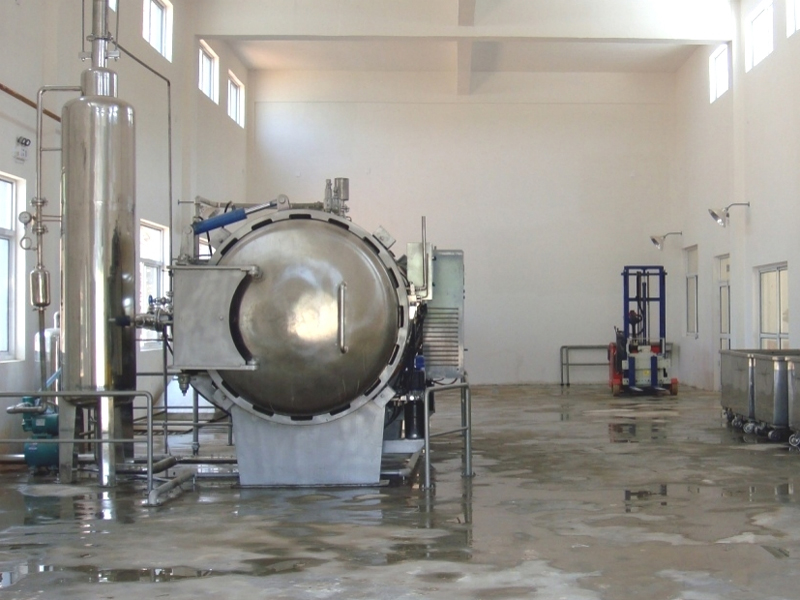
Applying our high-temperature, high-pressure expertise to environmental challenges, we manufacture medical waste high-temperature steam sterilization systems (both centralized and mobile skid-mounted units) and animal carcass hydrolysis equipment. These products provide safe, bio-secure, and eco-friendly disposal routes for laboratory and regional waste.
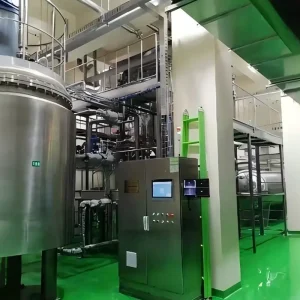
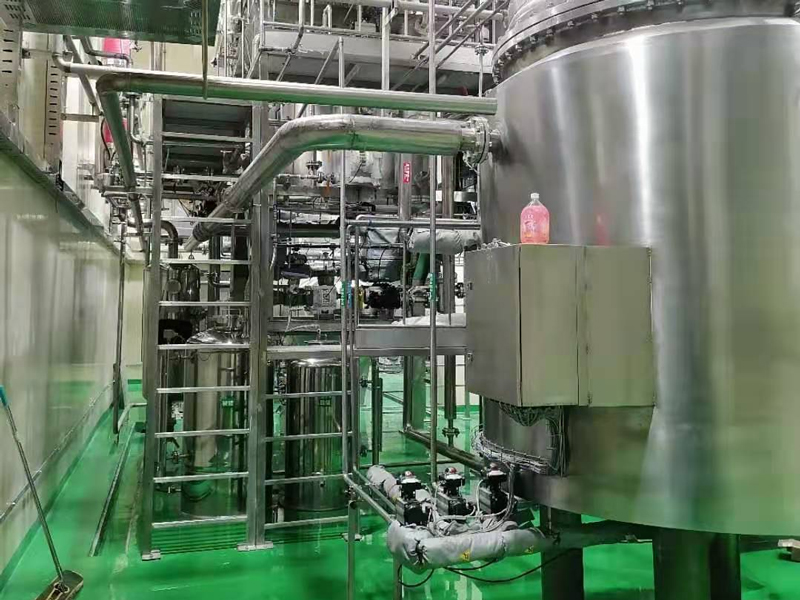
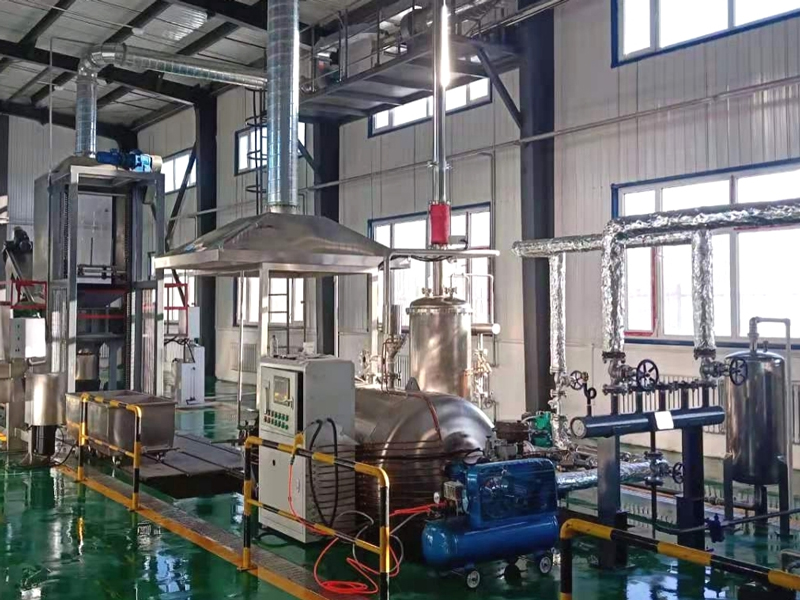
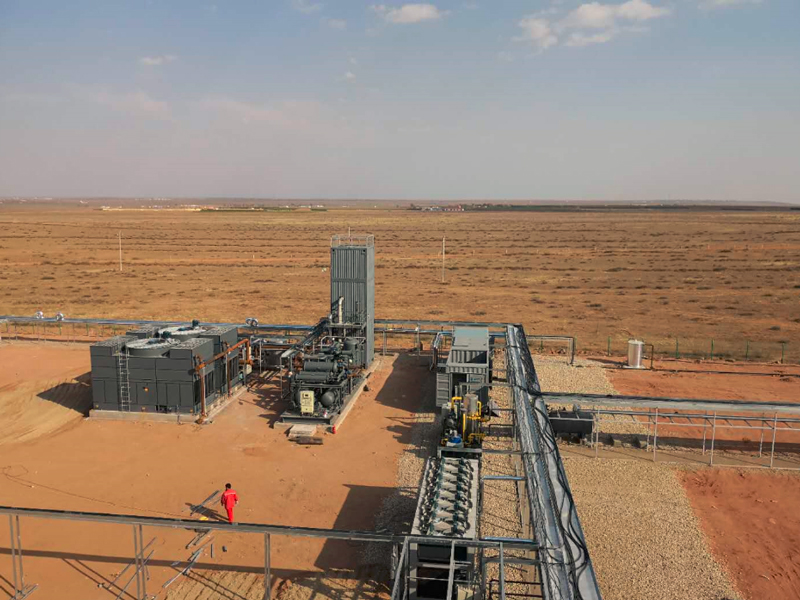
A showcase of our high-quality custom systems deployed across heavy chemical, medical, and gas-recovery sectors.
Procuring heavy containment systems from Chinese suppliers requires deep vetting to align local standards with international sites. Buyers should structured their RFQs (Request for Quotations) around four main criteria:
Always demand steel mill certificates (MTC) conforming to EN 10204 Type 3.1 or 3.2. For low-temperature vessels (below -20℃), Charpy V-notch impact testing is mandatory for both base metal and weld zones to ensure high fracture toughness.
Review the NDT matrix: Radiographic Testing (RT) for longitudinal and circumferential welds, Ultrasonic Testing (UT) for plate lamination checks, and Magnetic Particle (MT) or Penetrant Testing (PT) for nozzle-to-shell fillets. A2 factories must maintain accredited Level II & III inspectors in-house.
Ensure structural skids are hot-dip galvanized or coated with multi-layer marine-grade epoxy systems. Electrical components installed in volatile zones (Class I Div 1 / Zone 1) must carry certified explosion-proof ratings (ATEX, IECEx, or Ex d IIB T4).
Explore our complete production line including animal tissue processing, VOC recovery, and advanced desulphurisation plants.
Connect with our senior CAS engineering team to analyze your gas containment, purification, or waste treatment requirements.
Whether you require localized ASME Section VIII structural calculations, thermal stress profiling for non-standard shell-and-tube exchangers, or turn-key skid assembly proposals, our Langfang-based factory delivers tailored, academically sound solutions.
Consult an Expert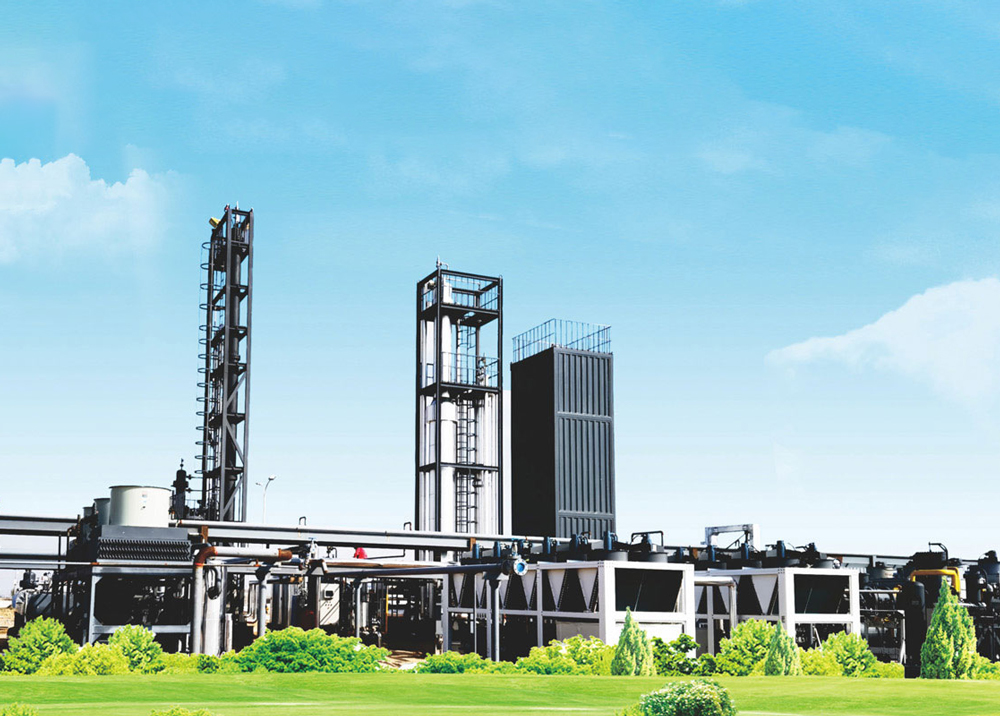
 Hongke Qingneng