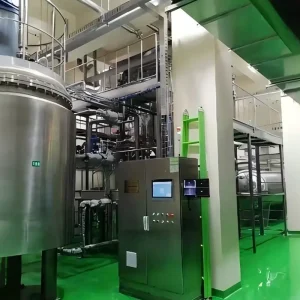
In modern chemical processing, pharmaceutical synthesis, material sciences, and environmental waste mitigation, the stirred autoclave stands as the definitive cornerstone for executing multi-phase reactions under high temperature and high pressure. Whether dealing with catalytic hydrogenation, gas-liquid mass transfer, polymer synthesis, or high-temperature hydrolysis, the design, manufacturing precision, and thermal kinetics of the autoclave determine both reaction efficiency and operating safety.
Traditional mechanical shaft seals represent a persistent leakage point in high-pressure reactor designs. Our engineering methodology replaces packing glands and dynamic mechanical seals with state-of-the-art magnetic coupling drives. This ensures a hermetically sealed, static isolation barrier between the internal reaction environment and the external atmosphere, eliminating hazardous gas emissions and toxic substance leaks.
In wholesale industrial reactors, achieving homogeneous concentration and thermal distribution within highly viscous liquids or dense slurries requires precision-engineered impeller profiles. By incorporating custom pitch-blade turbines, gas-inducing impellers, and anchor agitators, our stirred autoclaves dramatically optimize gas-liquid dispersion. This mass-transfer acceleration is critical for reactions such as organic waste gas purification, VOC exhaust treatment, and natural gas deacidification process lines.
Operating under conditions of extreme pH, chloride stress corrosion cracking, or sour gas (H2S) exposure requires advanced metallurgy. Our manufacturing facility specializes in fabricating pressure vessels using high-performance alloys, including:
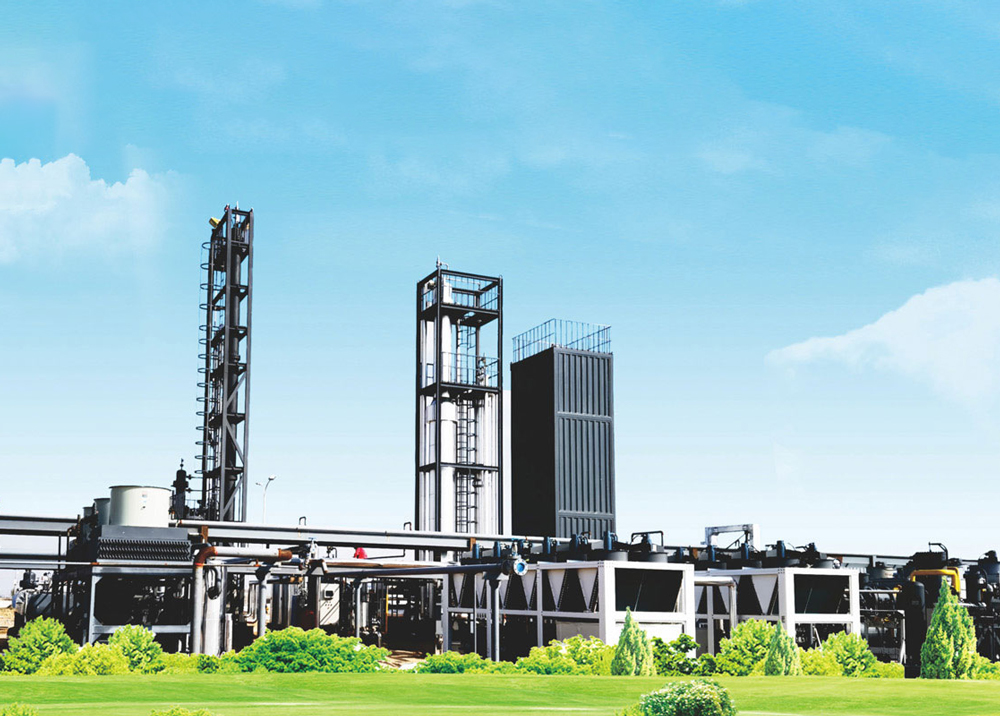
Hebei Hongke Qingneng Environmental Protection Equipment Co., Ltd. was established in June 2021, with a registered capital of 78 million yuan. Located in the industrial base of Sanhe Economic Development Zone, Langfang City, the company focuses on the R&D and manufacturing of energy conservation and environmental protection systems. We are fully engaged in the design and manufacturing of various pressure vessels, medical waste high-temperature steam treatment equipment, animal tissue (residue) treatment equipment, biological wastewater (live toxic wastewater) treatment equipment, skid-mounted assembly of various equipment, coalbed methane/shale gas/natural gas purification and liquefaction, VOC treatment, chemical tail gas treatment, industrial refrigeration, and BOG tail gas helium extraction.
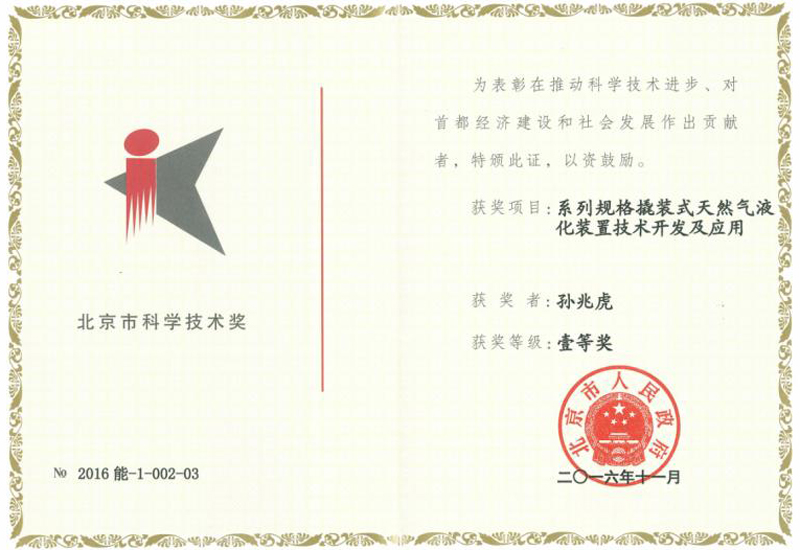
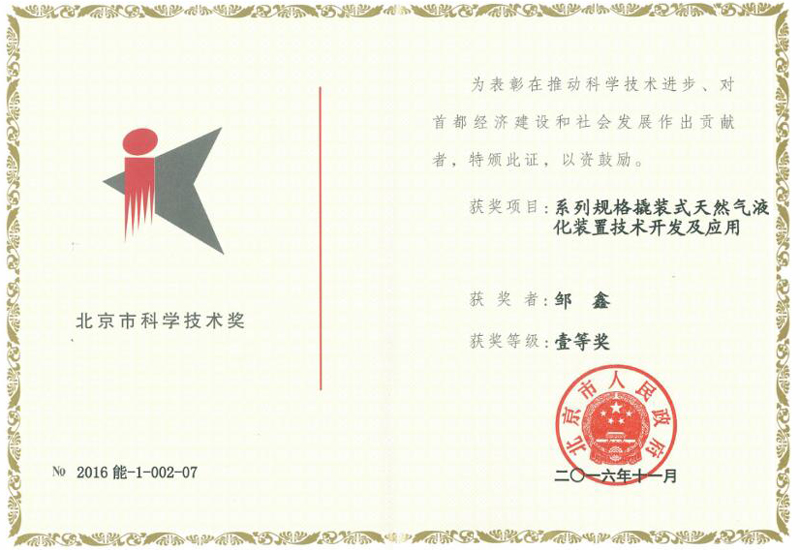
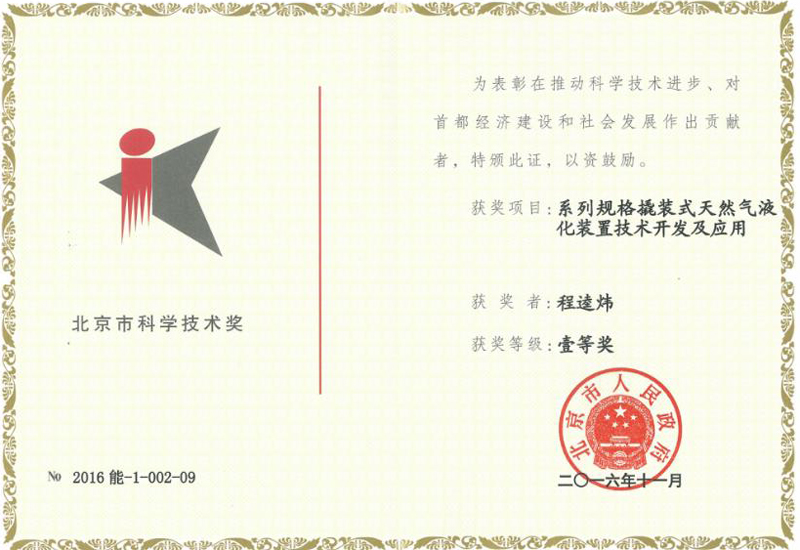
Doctorate from the Institute of Physics and Chemistry Technology, Chinese Academy of Sciences (CAS). National Senior Engineer. Presided over National 863 Program, aerospace/military research, and major special projects of national science and technology. Recipient of Beijing Science and Technology Award (First Prize, 2016) and Chinese Society of Refrigeration Technological Invention Award (Special Prize, 2015).
Ph.D. Candidate & Senior Engineer of the Institute of Physics and Chemistry Technology, CAS. Undertook "12th Five-Year Plan" national major special projects and National Natural Science Fund programs. Published 24 academic papers (11 SCI/EI). Awarded the 7th China Refrigeration Society Technological Invention Award (Special Prize, 2015).
Doctor of Engineering from the Institute of Physics and Chemistry Technology, CAS. Core developer of the "Technology Development and Application of Skid-mounted Natural Gas Liquefaction Unit". Leading expert in multi-component phase change heat transfer, flow characteristics of mixed working mediums, and thermodynamics.
Leveraging cluster industrial ecosystems, precision engineering capabilities, and rigorous compliance methodologies to deliver global industrial solutions.

Located in the Langfang industrial corridor, we source high-grade raw steels and alloy plates directly from first-tier national mills. This ensures traceability and compliance with ASME and GB design standards.

Our direct connection with the Chinese Academy of Sciences (CAS) allows us to simulate thermodynamic reactions, fluid dynamics (CFD), and stress distribution using advanced digital models before casting steel.

Our manufacturing processes adhere to national and global pressure vessel codes. In-house testing include Radiographic Testing (RT), Ultrasonic Testing (UT), and Helium Leak Detection.

We are uniquely capable of combining high-pressure stirred reactors with low-temperature condensation (-40℃ to -180℃) and skid-mounted liquefaction assemblies for holistic, turnkey systems.
Global environmental mandates demand carbon-neutral chemical pathways and safe medical/animal waste disposal. High-temperature stirred hydrolysis autoclaves are increasingly deployed to digest complex biological tissues without releasing greenhouse gases or pathogens.
Traditional site-built plants are giving way to factory-tested, skid-mounted assemblies. We design and assemble complete units—including the stirred autoclave, cooling systems, piping, and PLC control racks—minimizing onsite installation time from months to weeks.
Integration of VOC purification systems with clean gas recovery allows industrial facilities to close the carbon loop. Stirred reactors and high-pressure scrubbers serve as primary contactors to trap toxic exhaust gases and process them into stable byproducts.
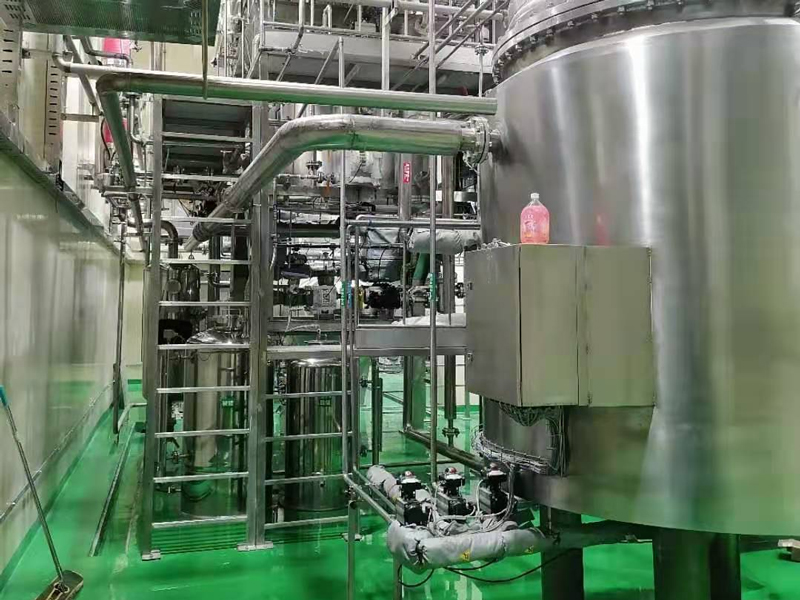
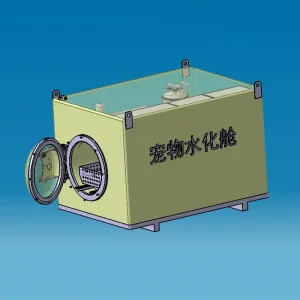
Highly automated, high-temperature hydrolysis system operating under controlled pressure to digest biological laboratory tissues efficiently.
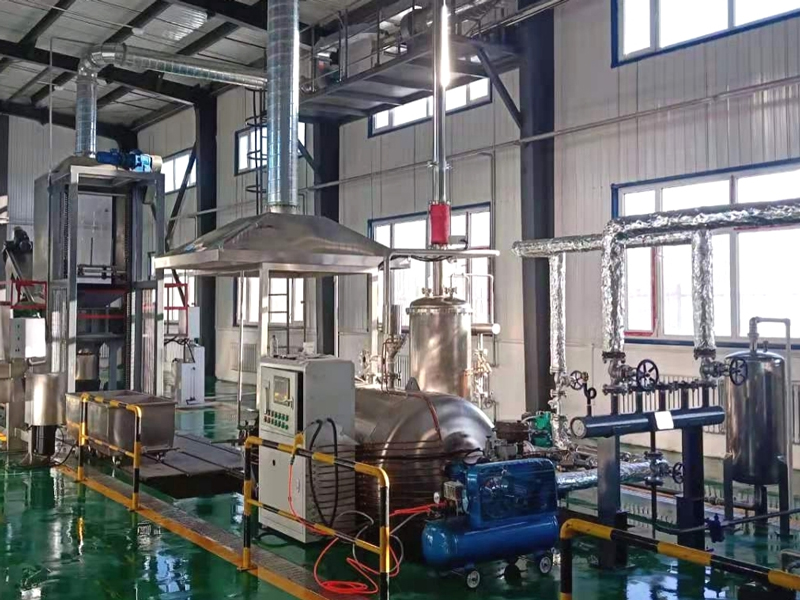
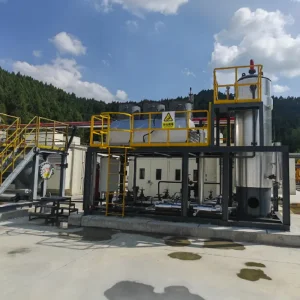
Skid-mounted and containerized high-pressure steam sterilization unit designed for rapid deployment and regional disaster response.
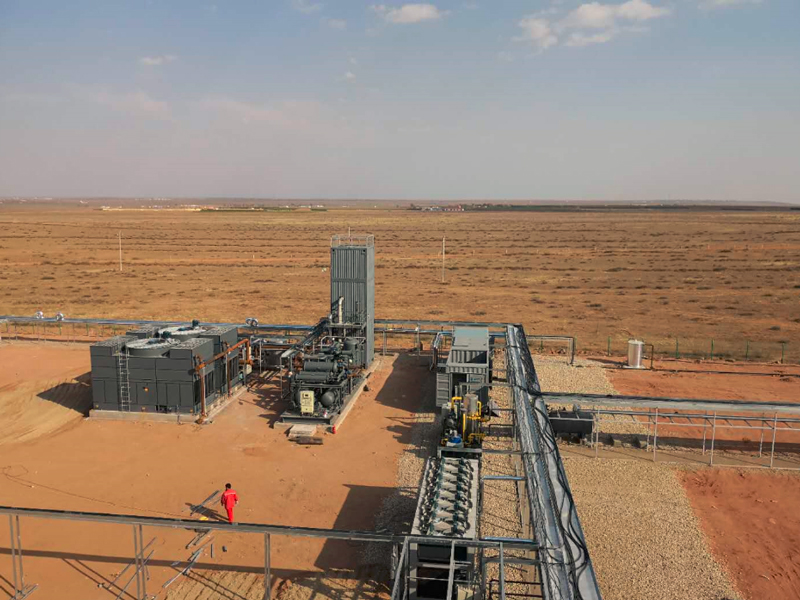
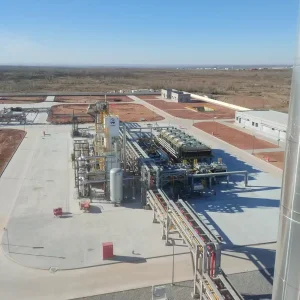
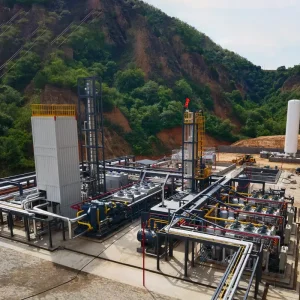
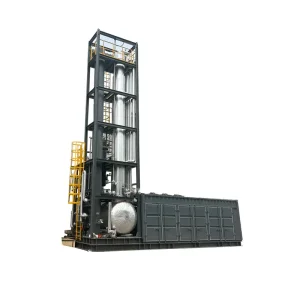
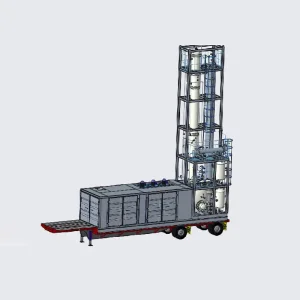
Complete cryogenic separation plant utilizing mixed refrigerant processes to recover distributed natural gas resources.
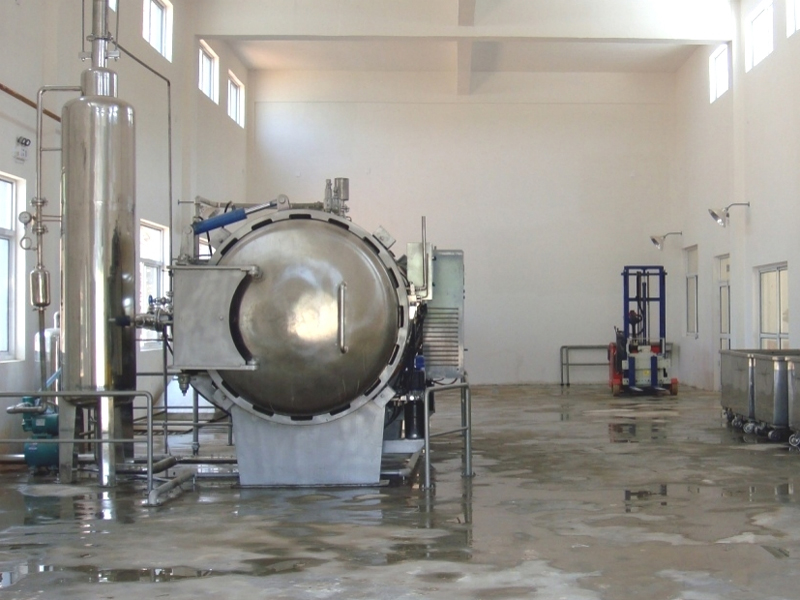
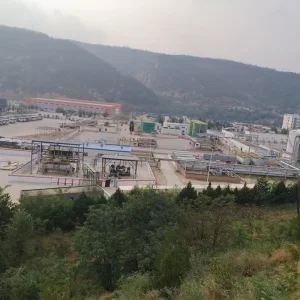
Large-scale municipal waste sterilization facility processing up to 30 tons daily using steam technology.
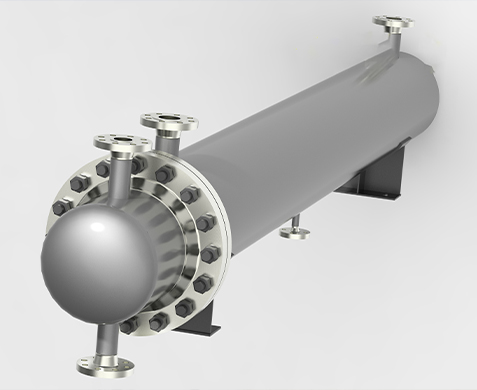
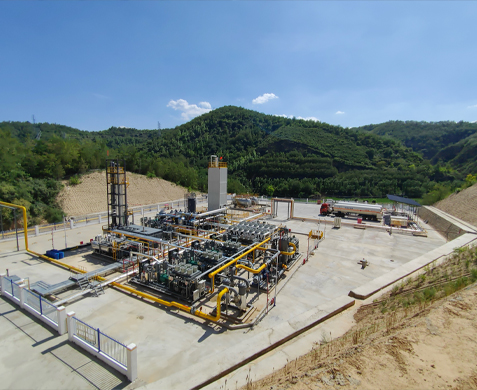
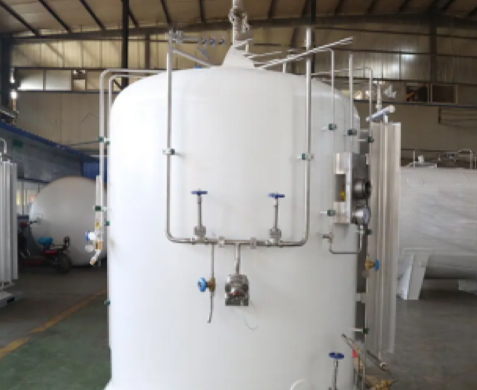
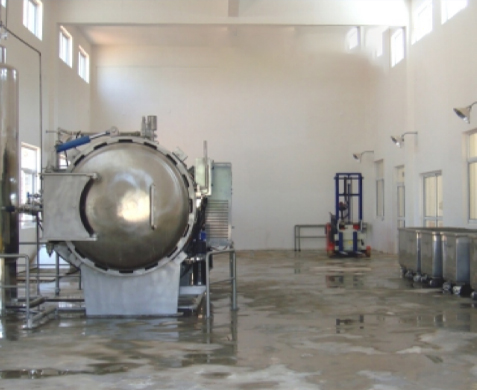
Our factory floor in Sanhe Economic Development Zone is optimized for non-standard pressure vessel fabrication, laboratory and pilot-scale stirred reactors, shell-and-tube heat exchangers, and thermal recovery loops. Each design undergoes finite element analysis (FEA) to confirm fatigue limits, and we provide third-party validation reports (ASME Section VIII Div 1 & 2 / PED) for export compliance.
Purchasing wholesale industrial stirred autoclaves requires navigating strict safety codes, process certifications, and logistical constraints. Below is a structured checklist to streamline your technical evaluations when communicating with Chinese pressure vessel manufacturers:
Ensure the manufacturer can supply complete calculations verified by ASME Sec VIII Div 1/2 or national pressure vessel standards (GB150). Request finite element analysis (FEA) reports, specifically looking at high-stress concentrations around nozzles and magnetic drive mountings.
Specify the properties of your reaction fluid. High-viscosity reactions require anchor or helical ribbon impellers, whereas gas-inducing impellers are vital for hydrogenation reactions. Verify the magnetic coupling drive torque limit to avoid decoupling under high load conditions.
Request copies of the factory's welding qualifications (ASME Section IX). Confirm that the factory conducts 100% radiographic (RT) testing on longitudinal and circumferential welds and ultrasonic (UT) inspections on nozzles and pressure boundaries.
For chemical and natural gas purification plants, verify that the electronics package complies with ATEX, IECEx, or Class I Div 1 explosion-proof requirements. We offer integrated Siemens or Rockwell PLC controls featuring automated shut-down systems (SIS).
 Hongke Qingneng