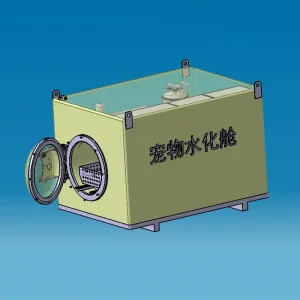
Innovative cryogenic, treatment, and biological containment systems optimized for Western European regulatory landscapes.
As the European Union intensifies its decarbonization mandates, France occupies a critical pivot point in natural gas infrastructure transformation. Moving away from massive, highly centralized pipelines and terminals, the market has pivoted toward Virtual Pipeline Infrastructure, Biomethane (Bio-LNG) Liquefaction, and flexible peak-shaving units. French industrial parks, remote agricultural clusters producing biogas, and heavy-duty maritime transport nodes require rapid-deployment liquefaction assets.
Under the French National Low-Carbon Strategy (SNBC) and the multiannual energy planning (PPE), local industries must substitute heavy fuels with cleaner alternatives. Truck-mounted and skid-mounted natural gas liquefaction plants solve this transition dilemma. They allow localized biogas streams or isolated pipeline terminals to turn gaseous energy into dense LNG without demanding massive capital expenditure (CAPEX) for pipelines.
Traditional natural gas liquefaction facilities take years of civil construction, permitting, and localized infrastructure layout. By contrast, our skid-mounted and truck-mounted plants utilize highly modular paradigms:
Our competitive technical edge originates from the deep academic and industrial research collaboration with the Institute of Physics and Chemistry Technology, Chinese Academy of Sciences (CAS) and Tsinghua University. Unlike typical fabricators, our cryogenic engineering is guided directly by PhD researchers specialized in thermodynamic efficiency. This collaborative framework has produced groundbreaking optimization in Mixed Refrigerant Cycles (MRC) and ultra-low temperature phase-change flow characteristics.
| Parameter / Metric | Industry Average (Small Scale) | Hongke Qingneng Performance Spec | Strategic Value to Operators |
|---|---|---|---|
| Liquefaction Specific Power | 0.38 - 0.42 kWh/Nm³ | ≤ 0.32 - 0.35 kWh/Nm³ | Reduces daily operating energy costs by up to 15%. |
| Cold Box Design Temperature | -162 °C | Down to -180 °C | Optimal for high-purity helium recovery and sub-cooling. |
| Deployment Mobilization Time | 45 - 60 Days | 14 - 21 Days | Faster revenue generation from localized wellhead gas streams. |
| Dynamic Turndown Range | 60% - 100% | 30% - 110% | Stable operations even during fluctuating supply gas pressures. |
Hebei Hongke Qingneng operates from the industrial base of Sanhe Economic Development Zone, Langfang, utilizing a capital reserve of 78 million RMB. By orchestrating localized Chinese raw material sourcing, heavy component machining, and structural assembly in our state-of-the-art facility, we achieve unmatched manufacturing efficiencies. We offer:
From scientific patent conceptualization to physical installation in demanding remote regions.
Proving reliability across industrial municipal applications, energy recovery sites, and clinical containment facilities.
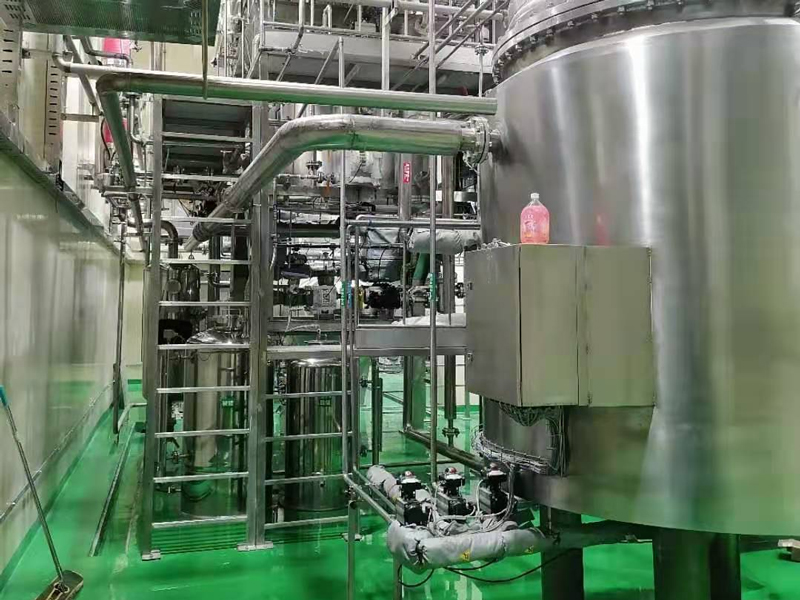
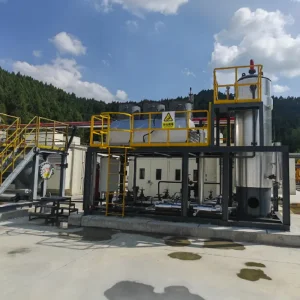
High-temperature thermal hydrolysis plant minimizing hazardous biological waste disposal footprint.
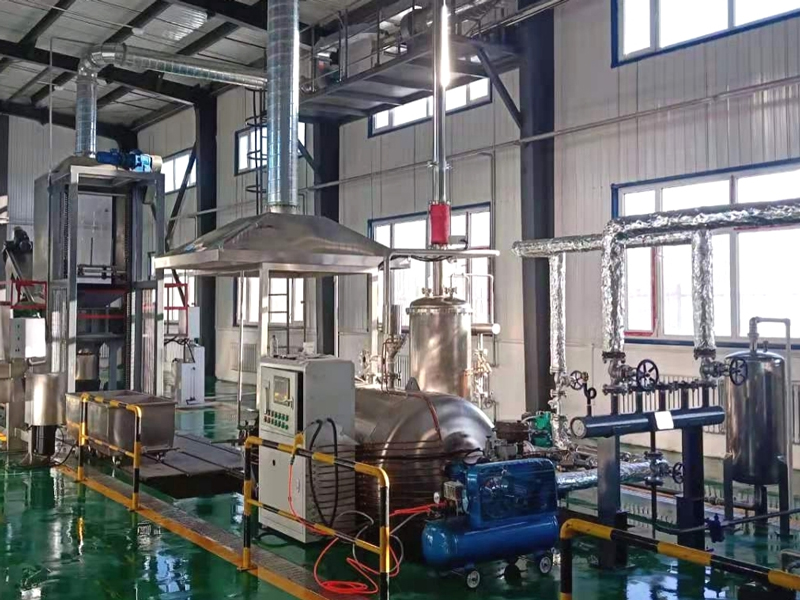
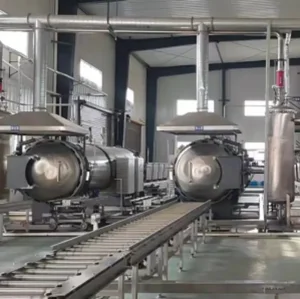
Truck-mounted modular autoclave sterilization systems supporting local hospitals.
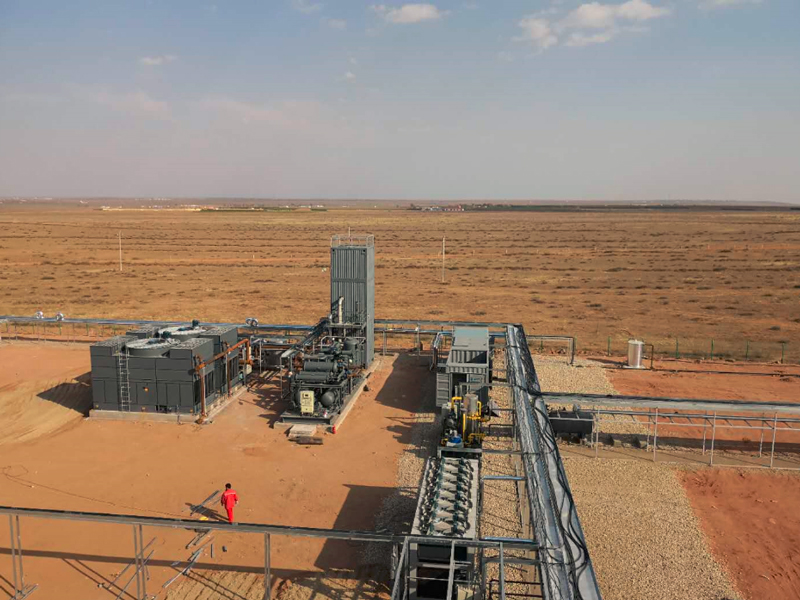
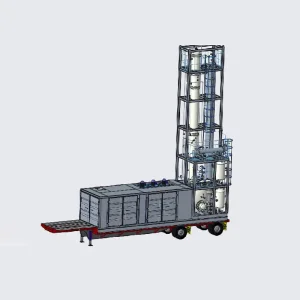
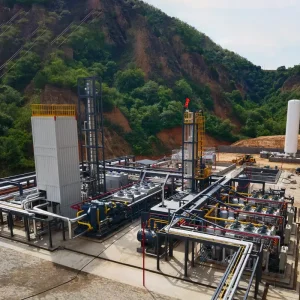
Deploying remote skid-mounted cryogenics to liquefy associated flare gas into commercial grade LNG.
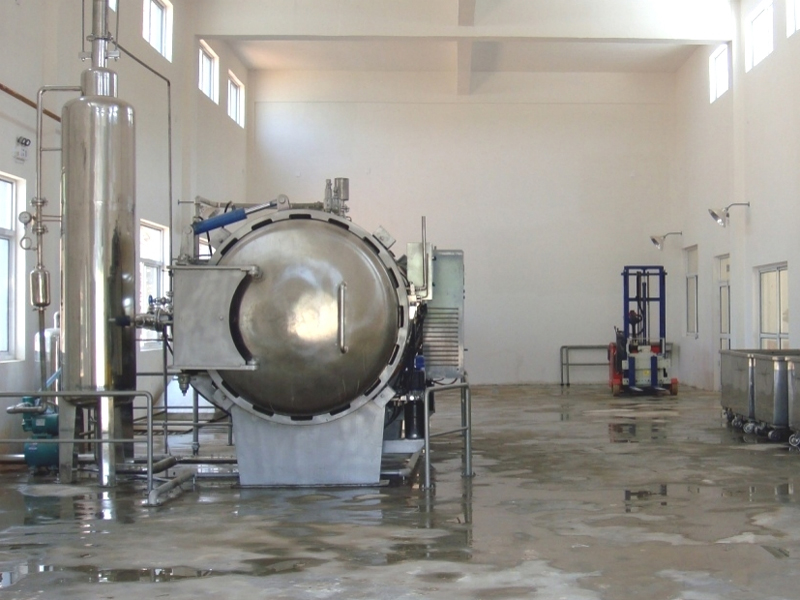
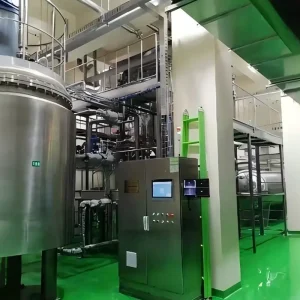
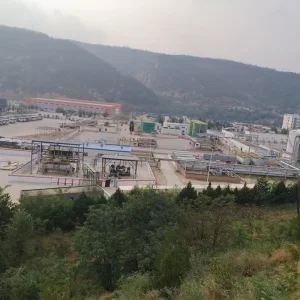
A highly automated facility designed for clean shredding and continuous containment sterilization.
Technical and procurement clarifications for project developers and engineers in France.
Our plants are designed and manufactured strictly in accordance with European pressure directives (PED 2014/68/EU), CE marking regulations, and ATEX explosion-proof requirements for Zone 1 and Zone 2 hazardous gas atmospheres. We support verification and coordination with third-party inspectors like TÜV SÜD or Bureau Veritas.
Engineering and custom process parameter modeling takes 4 to 6 weeks. Factory manufacturing and modular skid integration in our Langfang base takes 16 to 20 weeks, followed by dynamic cryogenic loop simulation testing. Combined logistics and shipping to French ports (Marseille, Le Havre) takes approximately 4 to 5 weeks.
Yes. We construct a multi-stage upstream purification skid integrating desulphurisation, CO2 removal (deacidification), and molecular sieve dehydration to clean raw biogas to biomethane (Bio-LNG) specifications prior to the liquefaction cycle.
We primarily utilize optimized Mixed Refrigerant Cycles (MRC) backed by Chinese Academy of Sciences (CAS) R&D. This cycle allows for high thermal exchange efficiency and flexible operational adjustment compared to nitrogen expansion cycles, resulting in lower specific power consumption (kWh/Nm³ of LNG).
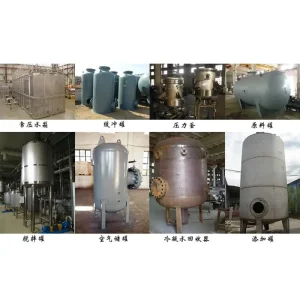
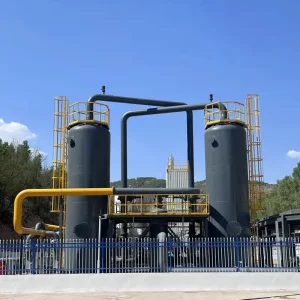
Precision-engineered, heavy-duty pressure systems, treatment components, and liquefaction units built to perform.
 Hongke Qingneng