Explore our top-tier catalog of process systems, including thermal hydrolysis, VOC abatement, medical waste sterilization, and gas liquefaction skids.
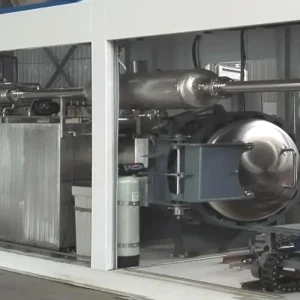
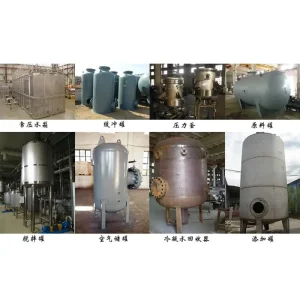
Analyzing the engineering transition toward high-alloy stainless steel structures in modern process plants.
In the modern industrial landscape, the term Inox (from French "inoxydable", meaning stainless steel) represents the gold standard for pressure vessel engineering. As global environmental regulations tighten and chemical processes operate under increasingly severe temperatures and corrosive conditions, the requirement for high-integrity Inox pressure vessels has scaled exponentially. Unlike conventional carbon steel vessels, stainless steel versions constructed from grades such as AISI 304, 316L, 904L, and Duplex alloys (like 2205 and 2507) deliver unmatched longevity, minimal maintenance downtime, and resistance to stress corrosion cracking (SCC).
Whether in cryogenic gas liquefaction, deep desulphurisation units, biological hazardous wastewater management, or high-purity pharmaceutical synthesis, pressure vessels are subjected to cyclical thermodynamic loads. Inox materials offer excellent notch toughness at sub-zero temperatures, which is critical for skid-mounted LNG and BOG recovery assemblies. Furthermore, in bio-processing and clean-energy sectors, preventing fluid contamination is paramount; the passive chromium oxide layer characteristic of high-quality Inox prevents product contamination while resisting harsh sanitizing routines.
Global logistics, hydrogen refueling grids, and offshore gas processing platforms require highly localized engineering standards. Fabricating vessels that satisfy ASME Section VIII Division 1 & 2, European PED (Pressure Equipment Directive), and Chinese GB-150 codes simultaneously is a significant competitive differentiator for manufacturers aiming at international distribution.
Registered Capital (RMB)
Pressure Vessel License
Skid-Mounted Units Delivered
Independent Patents
Discover how robust industrial clusters, automation, and academic alliances optimize production cycles and product quality.
China has evolved from a volume-based fabricator into a world leader in high-specification process equipment. The efficiency of a leading Chinese factory, such as Hebei Hongke Qingneng Environmental Protection Equipment Co., Ltd., is rooted in several systemic advantages:
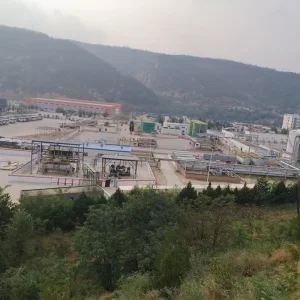
Located in the Sanhe Economic Development Zone, Langfang City, our manufacturing plant benefits from immediate access to Northern China's industrial infrastructure. This ensures rapid sourcing of premium raw materials (tested to ASTM standards) and specialized component processing, drastically lowering logistics costs and delivery times.
Equipped with state-of-the-art orbital plasma welding, automatic longitudinal/girth seam welding systems, and digital non-destructive testing (NDT), Chinese factories minimize manual variables. This ensures structural integrity that meets strict ASME and GB/T standards, while maintaining consistent production speed.
At Hebei Hongke Qingneng, our engineers partner with top-tier research institutions, including Tsinghua University and the Institute of Physics and Chemistry Technology, Chinese Academy of Sciences (CAS). This translates research breakthroughs directly into practical industrial solutions.
Academic-led engineering that guarantees industry-leading expertise and reliability.
Established in June 2021 with a registered capital of 78 million yuan, Hebei Hongke Qingneng Environmental Protection Equipment Co., Ltd. is a specialized high-tech enterprise focusing on energy conservation and environmental protection systems. We are fully certified with the prestigious A2-level pressure vessel manufacturing license, pressure pipeline component manufacturing license, GB/T19001-2016 quality management system certification, and Sinopec HSSE / CNPC Health, Safety, and Environment certifications. Our R&D team consists of elite scientists from the Chinese Academy of Sciences (CAS) and Tsinghua University, allowing us to pioneer custom solutions for cryogenic, environmental, and chemical engineering challenges.
Dr. Sun earned his Ph.D. from the Institute of Physics and Chemistry Technology, CAS. A National Senior Engineer, he has presided over major national programs (including the National 863 Program and military aerospace initiatives). His accolades include the First Prize of Beijing Science and Technology Award and the Special Prize of Technological Invention from the Chinese Society of Refrigeration.
Ph.D. candidate and Senior Engineer at CAS, Dr. Zou has managed complex industry-academic projects for over a decade. He has published 24 peer-reviewed papers (11 indexed by SCI/EI) and holds 5 patents. His work earned the Special Award of the China Refrigeration Society and a Silver Medal at the 19th China International Industry Expo.
Holding a Doctor of Engineering from CAS, Dr. Cheng specializes in mixed refrigerant thermal processes and multi-phase flow characteristics. His research on modular natural gas liquefaction systems won the Special Prize of the Chinese Refrigeration Society, establishing new industrial standards for skid-mounted energy systems.
From environmental remediation to cryogenic fuel delivery, discover our core solutions across diverse fields.
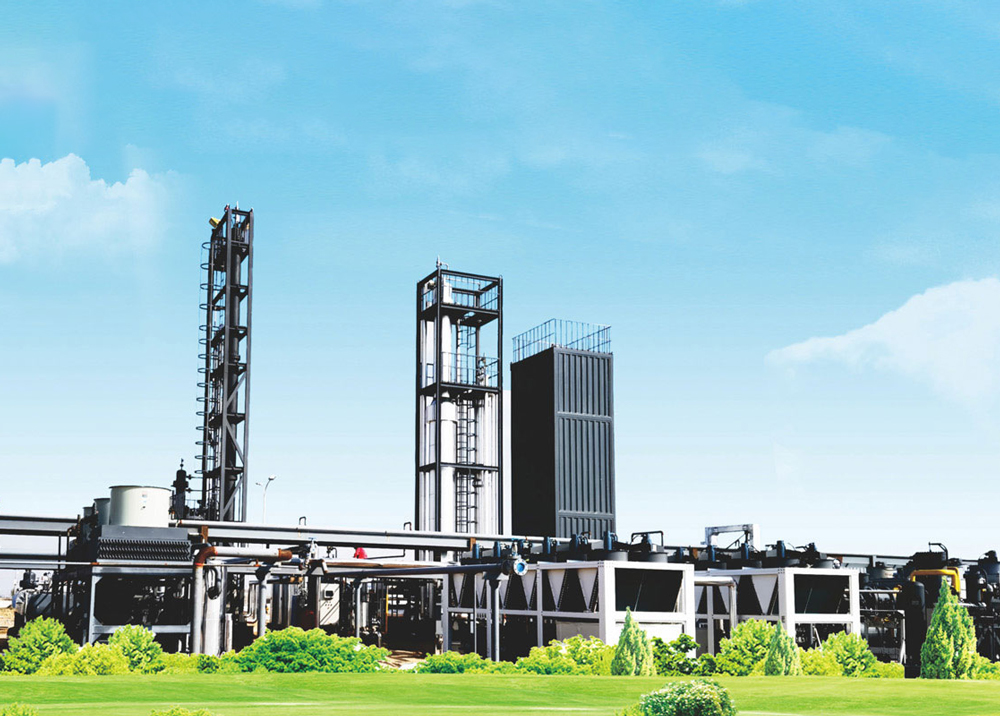
Our skid-mounted liquefaction equipment serves natural gas fields, shale gas collection spots, and coalbed methane (CBM) capture sites. Built using high-durability Inox alloys, these vessels maintain structural flexibility and prevent brittle fractures at temperatures down to -196°C.
Industrial tail gases and solvent emissions must be treated before discharge. Our VOC carbon adsorption-desorption systems and catalytic oxidizers rely on internal stainless steel containment units to withstand acidic compounds, high thermal shifts, and hot gas regeneration cycles.
Used heavily in research labs and medical networks, our centralized and mobile high-temperature steam sterilization systems use 316L stainless steel chambers. These materials resist chloride-induced corrosion, maintaining high safety margins during repetitive autoclaving cycles.
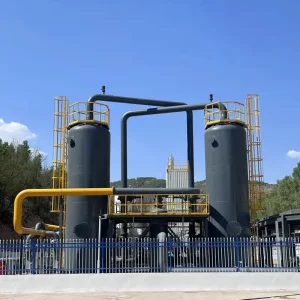
To extract heavy hydrocarbons, moisture, and hydrogen sulfide from natural gas feedstocks, our absorption columns and desulphurisation vessels operate under extreme high-pressure conditions. They utilize certified H2S-resistant Inox to prevent hydrogen-induced cracking (HIC).
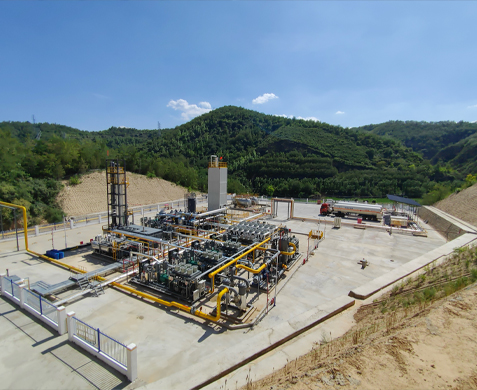
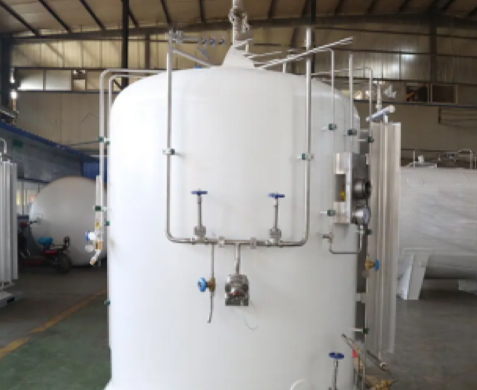
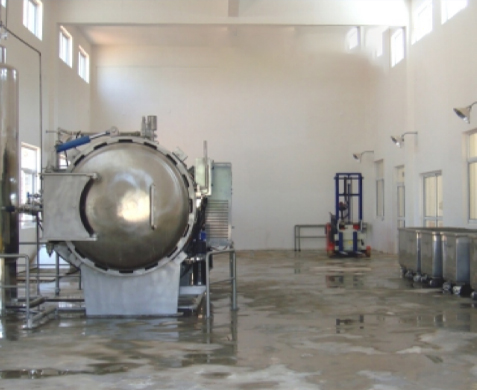
Explore our real-world projects, delivering environmental compliance and energy recovery globally.
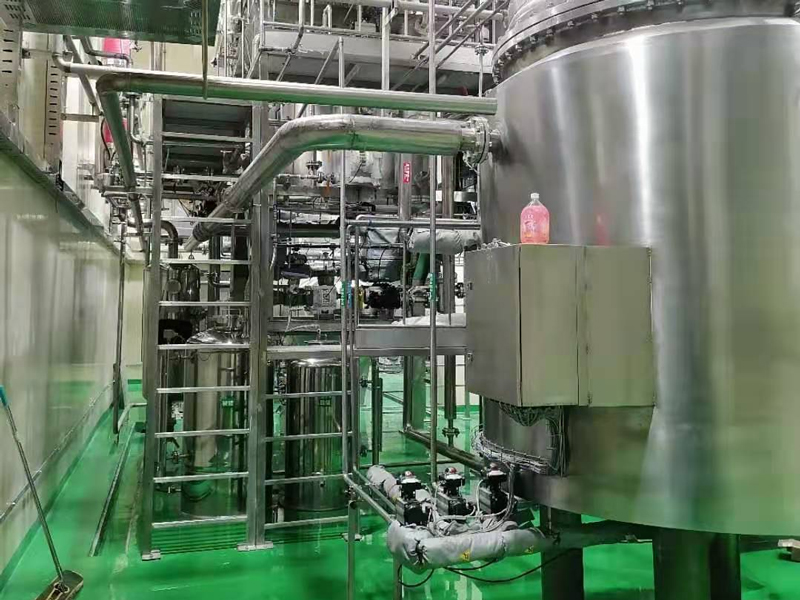
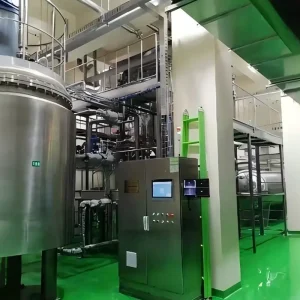
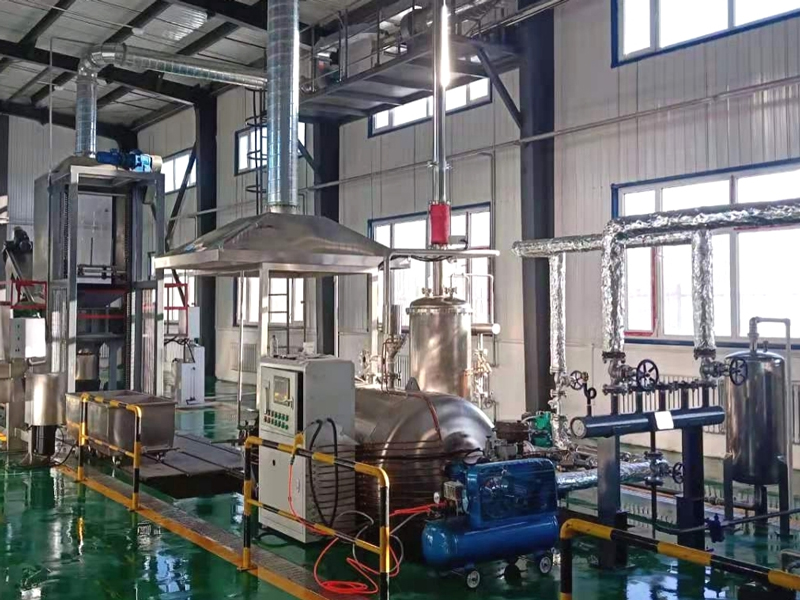
High-pressure thermal hydrolysis setup for safe, environmentally friendly lab waste disposal.
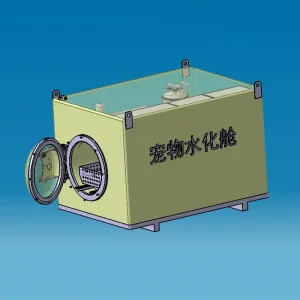
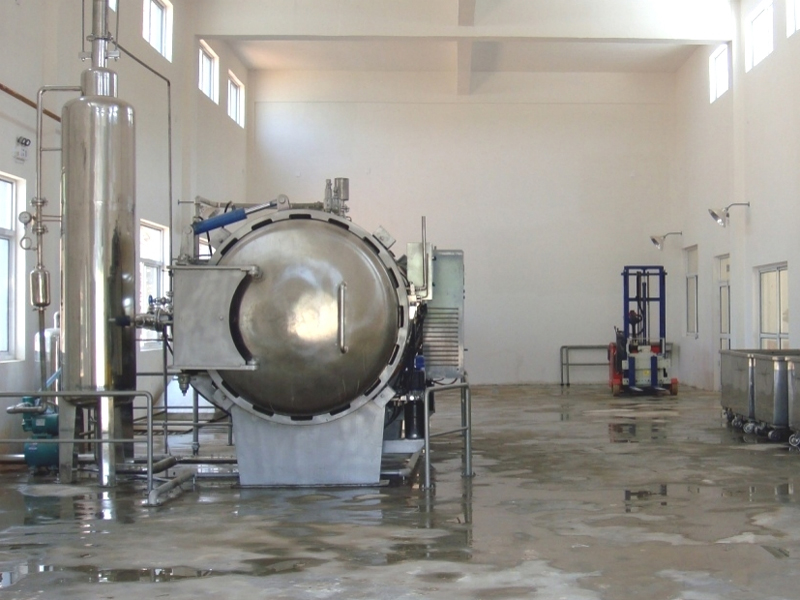
Portable high-temperature steam sterilizer designed for emergency environmental response.
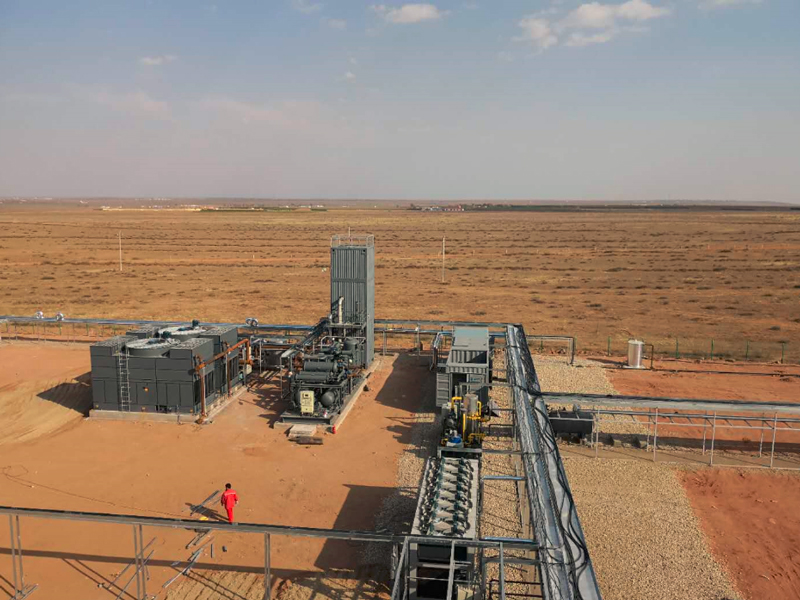
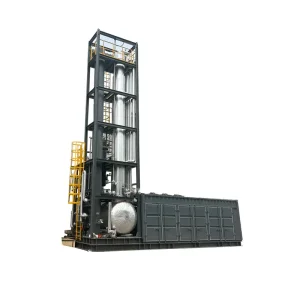
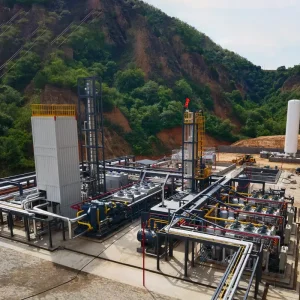
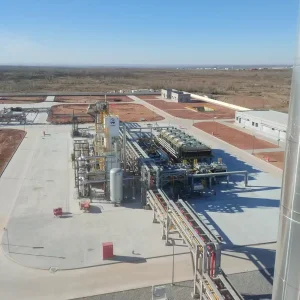
Direct gas extraction, deacidification, and LNG conversion skid operating in remote fields.
Automated bulk autoclaving with dual-stage shredding and high-pressure steam saturation.
Essential quality control parameters and standards verification steps for international engineering buyers.
When purchasing industrial-grade Inox pressure vessels, buyers must look beyond standard pricing. Ensuring long-term safety and operational efficiency requires evaluating key technical criteria:
How digitalization, advanced metallurgy, and strict emissions targets are shaping the industry.
The global transition to a low-carbon economy is driving key engineering innovations in the pressure vessel industry:
Expert technical answers to help you make informed procurement decisions.
Division 1 uses a simplified design-by-formula approach with a higher safety factor (typically 3.5 to 4.0), resulting in thicker vessel walls. Division 2 relies on a more detailed design-by-analysis approach using finite element analysis (FEA). This allows for lower safety factors and thinner walls, which helps reduce material and fabrication costs for high-pressure applications.
316L contains 2% to 3% molybdenum, which significantly improves resistance to chloride pitting and crevice corrosion compared to 304. The "L" indicates low carbon content (max 0.03%), which prevents carbide precipitation during welding and reduces the risk of intergranular corrosion in high-temperature zones.
Under Chinese TSG safety regulations, an A2 license authorizes a manufacturer to design and fabricate Class III low, medium, and high-pressure vessels. This represents a high level of certification, ensuring the plant has the engineering capability, welding infrastructure, and quality control systems needed for high-risk industrial vessels.
Skid-mounting places all process equipment—including columns, heat exchangers, pumps, piping, and controls—onto a single structural frame. This system is fully assembled and tested at our factory before shipping, minimizing field construction, reducing project timelines, and ensuring overall system reliability.
We perform 100% Radiographic Testing (RT) on primary pressure-retaining welds, combined with Ultrasonic Testing (UT) for thickness verification, Dye Penetrant Testing (PT) for surface defects, and hydrostatic pressure testing to verify mechanical strength and leak-tightness.
Additional environmental and gas purification solutions engineered to international standards.
Get in touch with our engineering team for customized Inox pressure vessels, skid-mounted systems, and environmental equipment.
 Hongke Qingneng