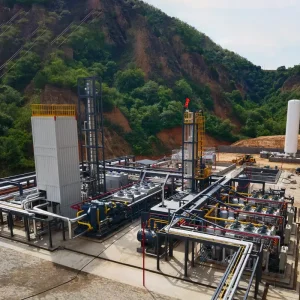
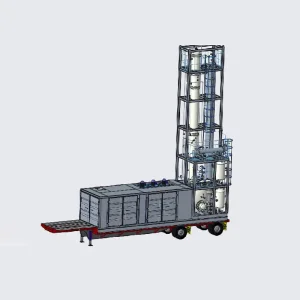
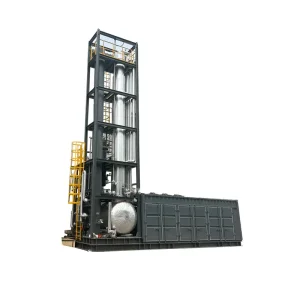
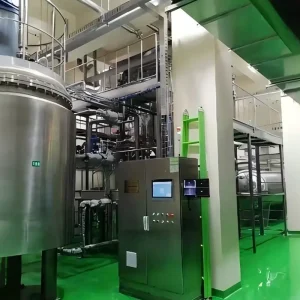
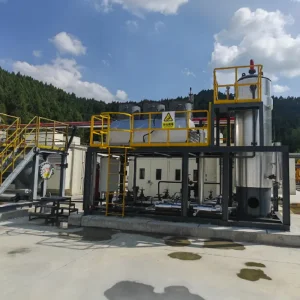
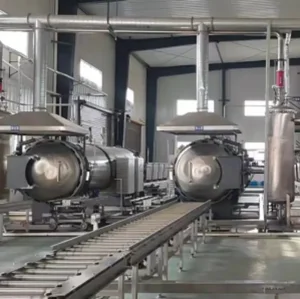
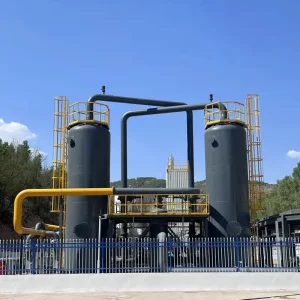
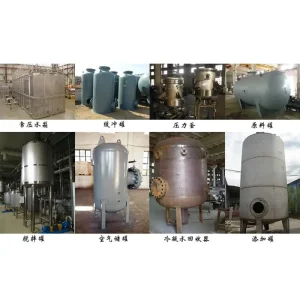
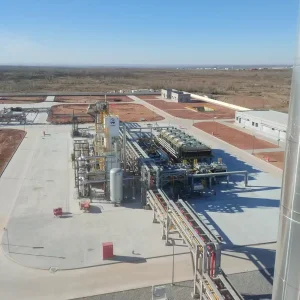
Explore our cutting-edge manufacturing inventory, featuring advanced skid-mounted LNG systems, multi-stage gas purification lines, and eco-friendly treatment units designed to exceed ASME and global quality metrics.
Hebei Hongke Qingneng Environmental Protection Equipment Co., Ltd. was established in June 2021 with a substantial registered capital of 78 million yuan. Situated in the high-tech industrial base of Sanhe Economic Development Zone, Langfang City, our enterprise specializes in the R&D and precision manufacturing of critical hardware supporting the energy conservation and environmental protection industries.
Our core competence centers on the engineering, structural design, and custom manufacturing of Class A2 pressure vessels, medical waste steam sterilization equipment, pathogen-level biological wastewater and live toxic fluid treatment systems, skid-mounted natural gas liquefaction setups, and cryogenic recovery units. By focusing on highly specialized thermodynamics, we solve complex phase-change and fluidic challenges for global industrial leaders.
Our strategic engineering initiatives deliver zero-emission gas containment, VOC multi-stage scrubbers, and industrial refrigeration machinery operating down to -180 °C. Backed by state-level academic experts, we bring structural integrity and performance validation into real-world projects.
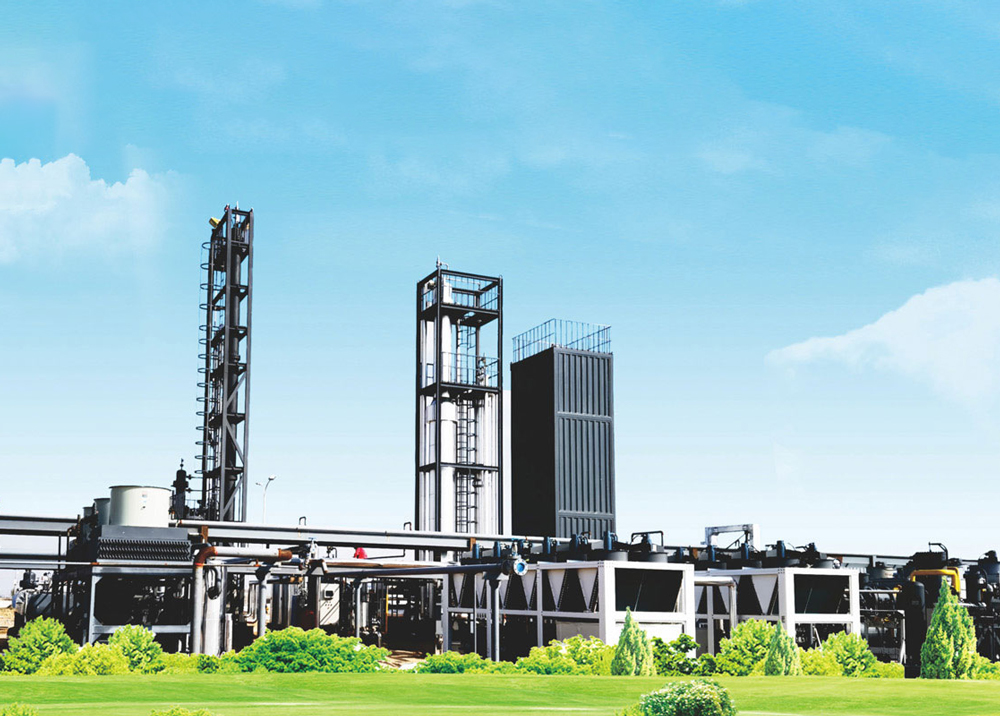
Our research and engineering initiatives are led by doctoral scholars from the Chinese Academy of Sciences and Tsinghua University, securing a strong technological foundation and industry validation.
An alumnus of the Institute of Physics and Chemistry Technology, Chinese Academy of Sciences (CAS), Dr. Sun holds a Ph.D. and the title of National Senior Engineer. He has headed projects under the National 863 Program and the Natural Science Foundation. His academic contributions have earned him the First Prize of Science and Technology of the China Coal Industry, the Special Prize of Technological Invention of the Chinese Society of Refrigeration, and the First Prize of the Beijing Science and Technology Award. He oversees the strategic application of advanced thermodynamic patents to global industrial configurations.
Zou Xin, a Ph.D. candidate and Senior Engineer at the Institute of Physics and Chemistry Technology (CAS), directs Hebei Hongke Qingneng's market operations and technical deployment. With 24 peer-reviewed academic papers (11 indexed in SCI/EI) and 5 national invention patents, his research on cryogenics earned the Special Award of the 7th China Refrigeration Society Technological Invention Award and the Silver Medal at the 19th China International Industry Expo.
Holding a Doctor of Engineering from the Institute of Physics and Chemistry Technology (CAS), Dr. Cheng developed the "Technology Development and Application of Skid-mounted Natural Gas Liquefaction Units". Recognized with the Special Prize of the Chinese Refrigeration Society, his expertise covers phase-change heat transfer and mixed refrigerant flow characteristics. He translates fundamental thermodynamic equations into heavy industrial skid designs.
Deep-dive research on modern petrochemical manufacturing dynamics, skid-mounted gas treatment, and environmental safety regulations.
High-performance pressure vessels are key components in modern industrial processes, supporting oil and gas processing, bio-pharmaceutical synthesis, cryogenic containment, and municipal environmental engineering. Globally, demand is shaped by the transition toward natural gas (LNG), strict carbon emission standards, and the expansion of biological laboratories.
In the natural gas and shale gas sectors, decentralized reserves require flexible processing systems. Conventional, stationary gas plants require long setup times and high capital investment. As a result, the industry is shifting toward modular, skid-mounted configurations. These integrated systems reduce on-site installation work, lower ecological impact, and allow operators to recover gas from marginal or remote fields.
Managing high-pressure fluid dynamics under thermal fluctuations requires advanced materials and structural design. Standard production methods often struggle with mechanical stress and phase-change issues when handling cryogens (like LNG at -162°C or liquid helium at -269°C) and corrosive sour gas containing hydrogen sulfide ($H_2S$) and carbon dioxide ($CO_2$).
Our technical framework uses advanced metallurgy, automated welding processes, and non-destructive testing (NDT) to meet A2 pressure vessel standards. By studying phase-change heat transfer in mixed working media, we optimize heat exchanger dimensions to prevent thermal fatigue. This approach allows us to supply systems that operate reliably from -40°C down to -180°C.
Our specialized multi-component mixed refrigerant cycle (MRC) systems reduce energy consumption by up to 15% compared to traditional cascade systems, lowering operational expenditures for midstream energy plants.
Operational challenges vary by region. In North American shale gas zones, compliance with methane emission regulations drives the adoption of closed-loop gas recovery systems. In South America and the Middle East, capturing associated gas from remote fields helps reduce gas flaring.
In urban and bio-safety sectors, handling organic waste demands highly reliable equipment. Our centralized medical waste autoclaves and high-temperature hydrolysis systems for laboratory animal carcasses help prevent biological contamination. They utilize double-walled pressure chambers, automated control cycles, and high-pressure steam sanitization to neutralize pathogens, supporting healthcare and research facilities.
Unprocessed natural gas contains water, heavy hydrocarbons, and acid gases that must be removed before liquefaction to prevent pipeline freeze-ups and corrosion. Our purification setups employ a three-stage process:
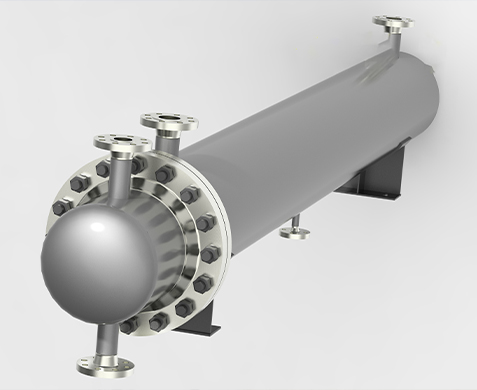
Safety is critical in high-pressure engineering. Hebei Hongke Qingneng operates under a comprehensive quality management framework verified by international certifications. We maintain the A2 Level Pressure Vessel Manufacturing License, Pressure Pipeline Component Manufacturing License, GB/T19001-2016 Quality System Certification, and China Petroleum Health, Safety, and Environment (HSE) Management System Certification.
Each pressure vessel undergoes stress analysis, ultrasonic and radiographic non-destructive testing, and hydrostatic testing. Our design process utilizes advanced finite element analysis (FEA) software to simulate operating loads, wind shear, and seismic activity. This ensures our non-standard pressure vessels deliver long-term reliability in demanding environments.
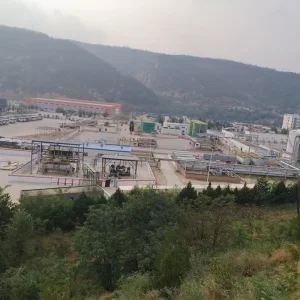
A showcase of our global installations, displaying skid-mounted natural gas installations, hazard containment systems, and custom cryogenic equipment.
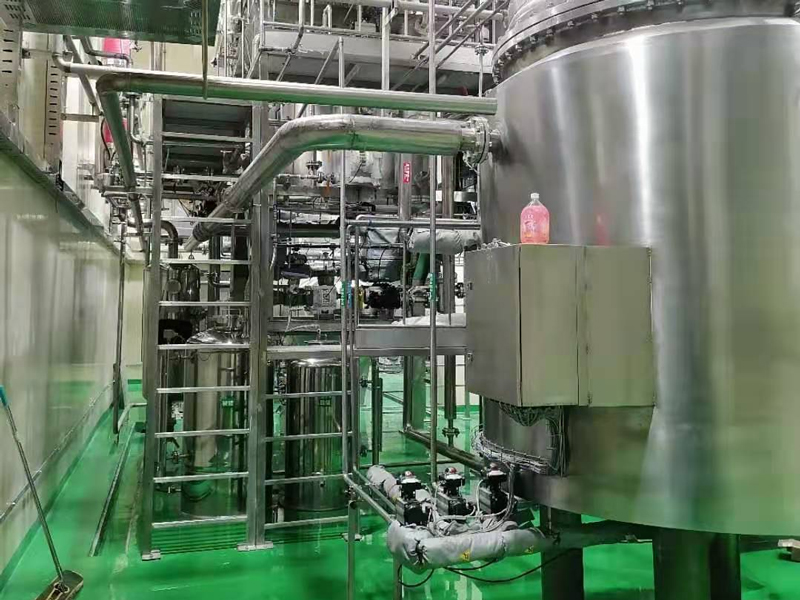
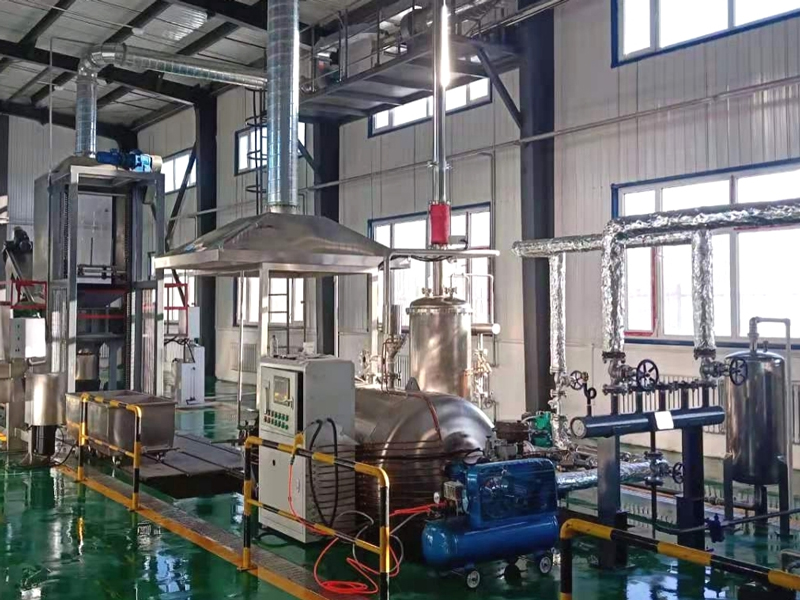
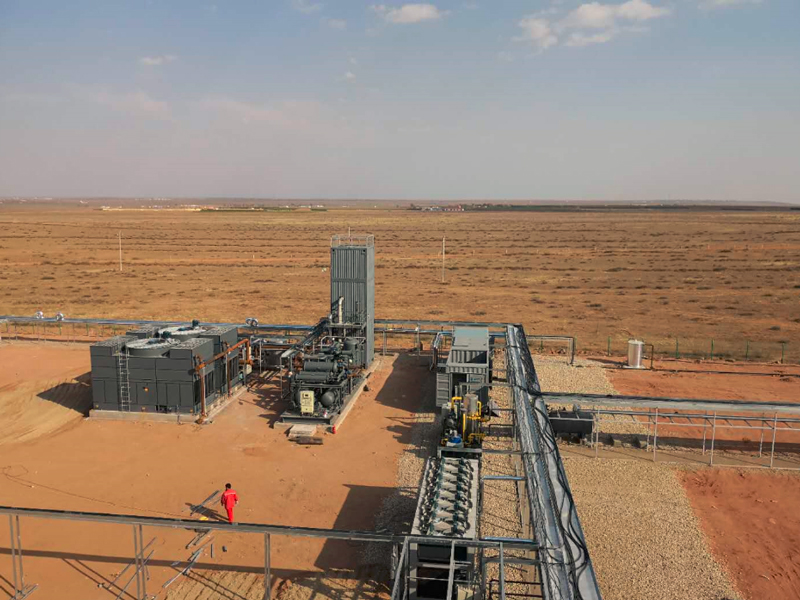
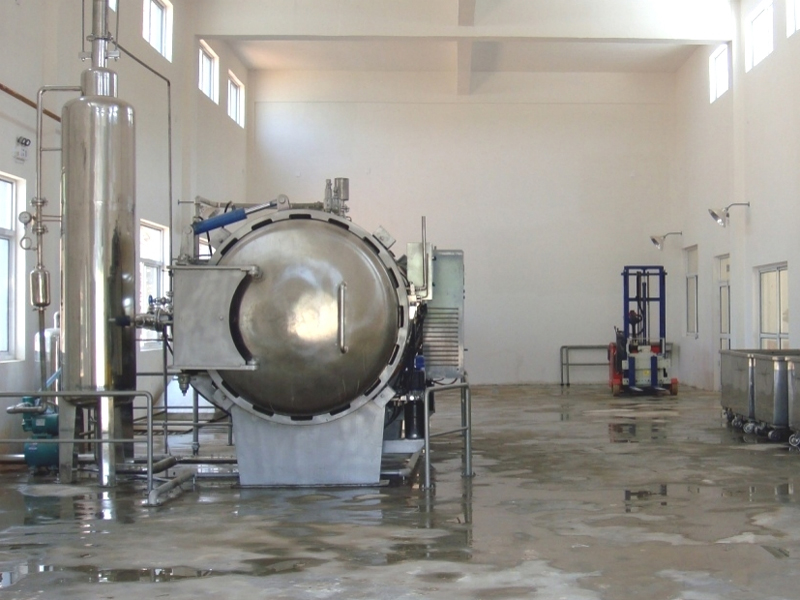
Understand the technical details behind A2 pressure vessel fabrication, modular LNG skid design, and gas purification workflows.
Detailed overview of our high-temperature medical waste processors, customized gas treatment plants, and process liquefaction technologies.
 Hongke Qingneng